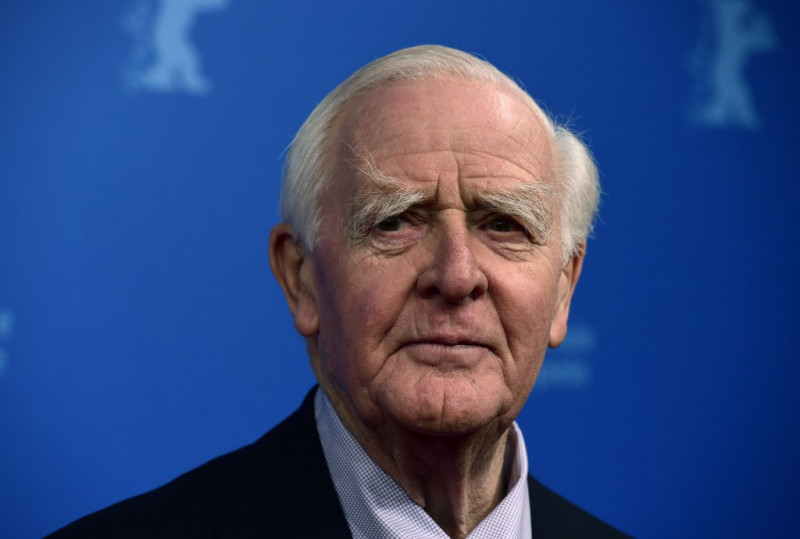

JOHN le Carré, a titan of British literature – writing acclaimed novels since the 1960s – has died aged 89. He leaves behind a legacy as the defining spy author of the modern era.
His works, most notably 'Tinker, Tailor, Soldier, Spy', 'The Spy Who Came in from the Cold', 'The Constant Gardener' and 'The Night Manager', have been read by generations and have been adapted for the screen and television to be enjoyed by many more.
George Smiley, the portly and exceedingly plain protagonist in a number of Le Carré’s novels is very much a counterpoint to the debonair international man of mystery, though never intentionally so.
While the latter trafficked in bold action spectacles splashed in black and white, the former concerned himself with the drudgery of office politics and the morally dubious necessities of intelligence work.
For this reason, and many others, Le Carré’s work struck a chord with readers around the world for more than half a century. And though he started out chronicling the shadowy spy battles between The West and the Eastern Bloc during the Cold War, he transitioned with aplomb to the ethical crises of the present.
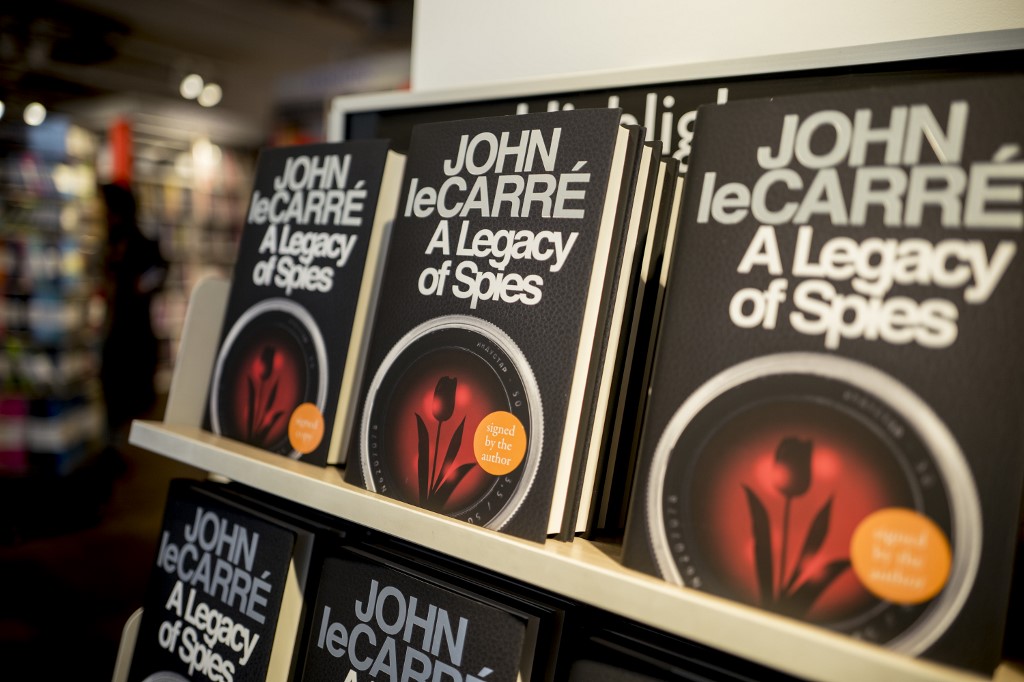
Born as David Cornwall in 1931, he adopted his popular namesake to circumvent a ban on Foreign Office employees publishing books under their own name. Yet why he chose such a Francophile nom de plume even eluded him.
"I was asked so many times why I chose this ridiculous name, then the writer's imagination came to my help. I saw myself riding over Battersea Bridge, on top of a bus, looking down at a tailor's shop...
“And it was called something of this sort — le Carré. That satisfied everybody for years. But lies don't last with age. I find a frightful compulsion towards truth these days. And the truth is, I don't know," he said in an interview with The Paris Review in 1996.
'The Spy Who Came in from the Cold', released in 1963, was his third novel and the one that launched him to fame. Focusing on a middle-aged deadpan spy at wit’s end, who gets roped into a counter-intelligence operation in East Berlin, it struck a chord with the cynicism of the time.
Gone were the notions of Western (US and UK) operatives operating on a moral high ground against dastardly communists, instead replaced with a nearly nihilist perspective on the shadow war between the superpowers. Individuals become pawns in a game between governments.
It was also unsparing towards life in the espionage business, with the hero remarking, “They're a squalid procession of vain fools, traitors, too, yes; pansies, sadists and drunkards, people who play cowboys and Indians to brighten their rotten lives."
Le Carré was not interested in simple tales of heroes and villains, perhaps reflecting his real life experience at the British Foreign Service and MI5.
His career as a spy ended when he became one of many British agents whose names were given to the Soviet Union by the turncoat Kim Philby.
Duplicity, both aimed at deceiving others and fooling oneself is a theme that repeats throughout his oeuvre. A simple double cross could never suffice, not when the interests of governments are afoot.
While many Cold War-era writers found themselves flummoxed by the end of the superpower conflict, Le Carré - already comfortable with moral ambiguity - was able to explore issues such as tension in the Middle East and organised international crime.
While typically quiet and staying out of the press, he was very blunt when it came to his opposition to the American invasion of Iraq.
"How Bush and his junta succeeded in deflecting America's anger from bin Laden to Saddam Hussein is one of the great public relations conjuring tricks of history", he wrote.
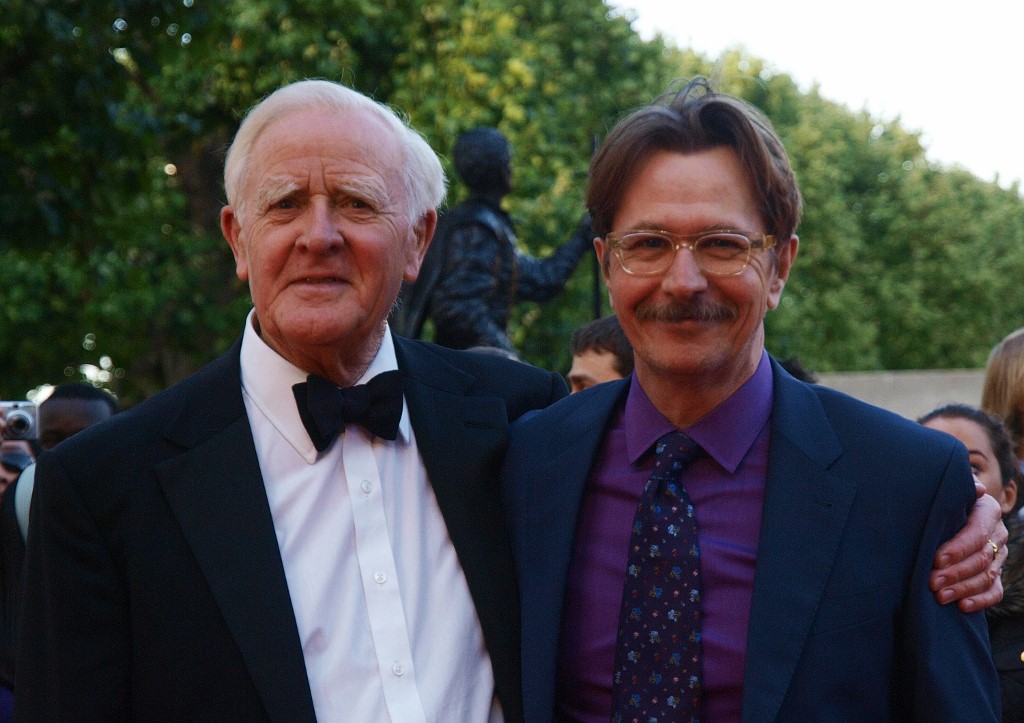
On Sunday, his family confirmed he had died of pneumonia at the Royal Cornwall Hospital on Saturday night. “We all deeply grieve his passing”, they wrote in a statement.
Le Carré’s death was announced by his longtime agent Jonny Geller, who described the novelist as “an undisputed giant of English literature”.
“I have lost a mentor, an inspiration and most importantly, a friend. We will not see his like again”, he wrote in a statement.
His contemporaries and fans in the literary world have responded with sadness and thanks for his contribution to literature. – The Vibes, December 14, 2020
John le Carre has passed at the age of 89. This terrible year has claimed a literary giant and a humanitarian spirit.
— Stephen King (@StephenKing) December 13, 2020
“By repetition, each lie becomes an irreversible fact upon which other lies are constructed.”
— Paulo Coelho (@paulocoelho) December 13, 2020
John Le Carré, you were not only a great writer, but a visionary. Enjoy your new home #Rip pic.twitter.com/8L1FWEPhkD
News of John Le Carre’s passing saddens me deeply. The first writer to inspire me to read more deeply of contemporary reality
— William Gibson (@GreatDismal) December 14, 2020
This is true. https://t.co/HbFahHFHY0
— Salman Rushdie (@SalmanRushdie) December 13, 2020