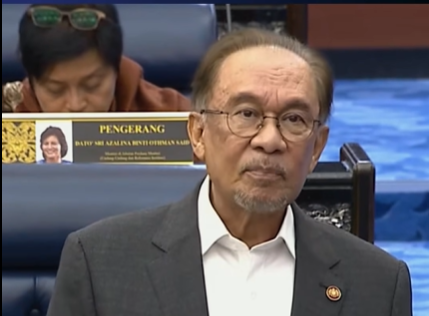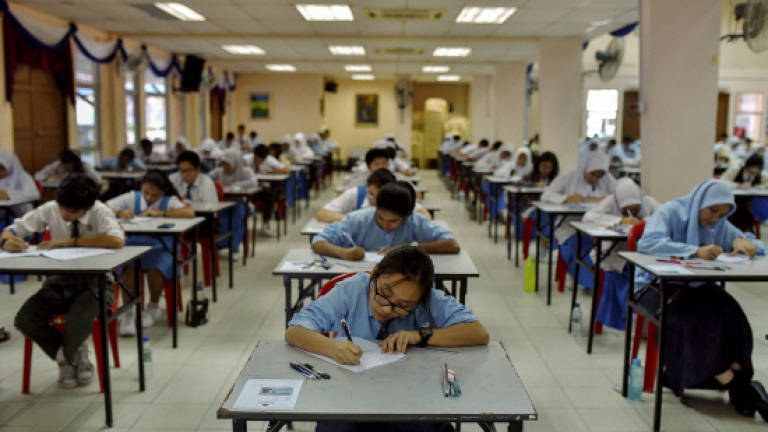
PUTRAJAYA – The Education Ministry stands by its decision to not reinstate the Primary School Achievement Test (UPSR) and the Form Three Assessment (PT3), despite requests from parents for the public examinations to be reintroduced.
Deputy Education Minister Datuk Mohamad Alimin said UPSR and PT3 were abolished because the ministry wanted to produce human capital with skills in various fields and not limited to academic fields only.
“We have explained many times that this time we are taking a more inclusive approach, not just based on exams, but we want to produce human capital with capabilities in many other fields.
“Malaysia is moving towards a more developed country, we want to supply the country with human capital with diverse expertise. That is the main goal,” he told reporters after closing the Certified Integrity Officer (CeIO) Programme Series 31 here today.
Alimin said this when asked to comment on media reports stating that more and more parents wanted UPSR to be reinstated on grounds that the Education Ministry is not prepared to implement classroom-based assessment as the sole approach to the assessment system in schools.
Classroom-based assessments aim to reduce emphasis on academic achievements through examinations, thereby allowing students to enjoy learning.
However, educationists and parents have pointed out that there are too many uncertainties with the system and called for it to be overhauled.
The reason is that the ministry has yet to meet the three main prerequisites needed for the assessment and this adds to parents’ anxiety about the effectiveness of the new approach.
The three prerequisites are: having an ideal number of students in a class to which teachers can monitor and evaluate, a syllabus that is not too dense to give way to various activities in class, and full autonomy given to teachers for assessment.
On April 28 this year, the Education Ministry abolished UPSR and strengthened school and classroom-based assessments.
Meanwhile, on June 2, the ministry announced that PT3 will be abolished starting this year and will be replaced by the strengthening of school-based assessments.
Earlier in his speech, Alimin called on teachers to use social media wisely and that the ministry has issued guidelines for teachers and students on the use of social media.
Meanwhile, Malaysian Anti-Corruption Academy (Maca) director Datuk Idris Zaharudin, in his speech, said the Education Ministry was the first ministry to implement the CeIO programme ‘in-house’, involving 57 senior officials. – Bernama, August 9, 2022