.jpg)
CHI* sits by the window counting the handful of coins she’s left with, dreaming of the day her feet would finally touch American soil; but in the meantime, the little run-down shack that she lives in will have to do.
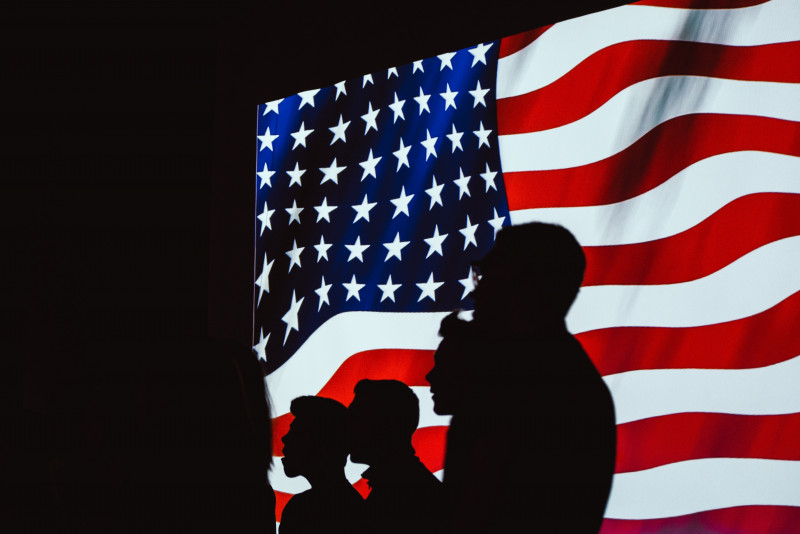
We’ve all heard of the American Dream; work hard in the land of opportunities and you will succeed. You work for the life you want.
Yet this ideology has been debunked by scholars with the understanding that this myth sides heavily with those of privilege, with the status quo.
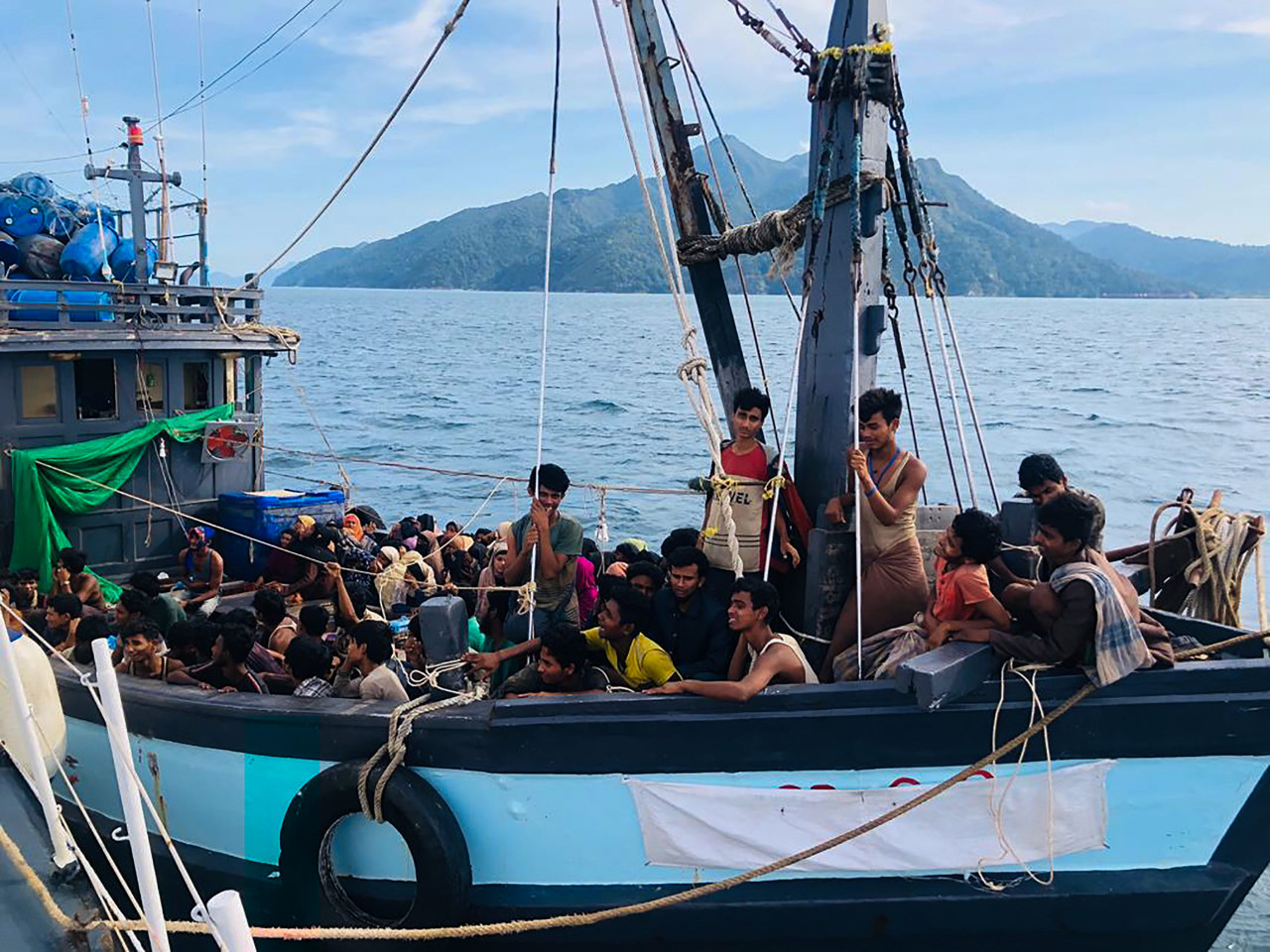
Chi, is just one of many refugees currently residing in Malaysia.
For these refugees, Malaysia is nothing but a halfway home. A land where they can only attempt to make a life for themselves before they are hopefully relocated to where there are more opportunities.
Like Chi, who came to Malaysia to escape the abuse that she and her family faced in their home country, refugees live day-to-day hoping, waiting and praying that their application with the United Nations High Commissioner for Refugees (UNHCR) will allow them to relocate.
So, how is the American Dream related to Chi? And how is it any different from what has been historically defined?
For us, the American Dream consists of the idea that we are able to study or work in the United States of America to better ourselves; to be able to rise up the social ladder and live a better life.
However, that is not the main dream for many refugees like Chi.
In a country where refugees have no rights – unable to work, unable to study, families at risk of being deported at a moment’s notice, and those working are exploited to do hard labour on a minimal wage – being relocated means a new start, legally speaking.
We all know that America is not necessarily the bright beacon of hope and prosperity it likes to portray itself as, especially with its current turbulent political situation.
Regardless, more often than not, when a refugee shares their dreams to go to America because “America is great!”, they are commonly rebuffed by ‘realists’ who recite the United States’ various hypocrisies.
Speaking from a point of privilege, we fail to understand why America would be great for these refugees, especially if they have been in Malaysia since they were born.
Upon understanding individuals like Chi, being in America would mean that they have legal status and protections in a country.
They will finally be able to go to work and school legally. Most importantly, they are able to have an identity, instead of the identity we throw at them – job-stealers, cheap labour, pests.
They can start living.
Being a legal citizen in America would mean that they have more of an opportunity to choose who they want to be without worrying about not being able to survive.
Riz*, a talented hair-stylist for his age, was fortunate enough to secure an internship position with a local salon in Malaysia. However, reportedly due to his attitude, he was laid-off and is now working a hard-labour job.
Riz is a good example on how a refugee’s livelihood and survival is solely dependent on their employer’s demeanor at any given moment. Step a little out of bounds, and they are out.
Sure, as citizens of the country, we are also bound by the organizational hierarchy. Yet, how often have we had colleagues who were just a pain but still kept their job, or were still able to find a job in another company with just as good or a better pay?
The margin of error for working refugees is close to nothing. Unlike legal citizens who still have a sense of agency with our employment, refugees are subject to whatever abuse and exploitation is thrown at them, because where else can they go?
We all know the saying ‘beggars can’t be choosers’, and job opportunities for refugees are exactly like that.
The livelihood of a refugee is completely under the mercy of employers who are willing to take a risk with the authorities, especially with the increase of patrolling immigration officers, since the movement restrictions were first implemented during the start of the Covid-19 pandemic.
This means that if the job is tough, employers are mean, or even if life is just unbearable; refugees can only suck it up, leaving no room for mistakes, even just to express themselves.
So, America might be a problematic country through our eyes, but being in America means that these individuals will finally be able to live the life that they choose, a chance to have agency over their own lives.
The American dream for them is not just to have a better life, but instead, to have a life. – The Vibes, December 26, 2020
*Not their actual names