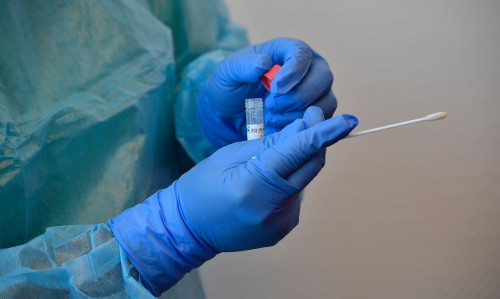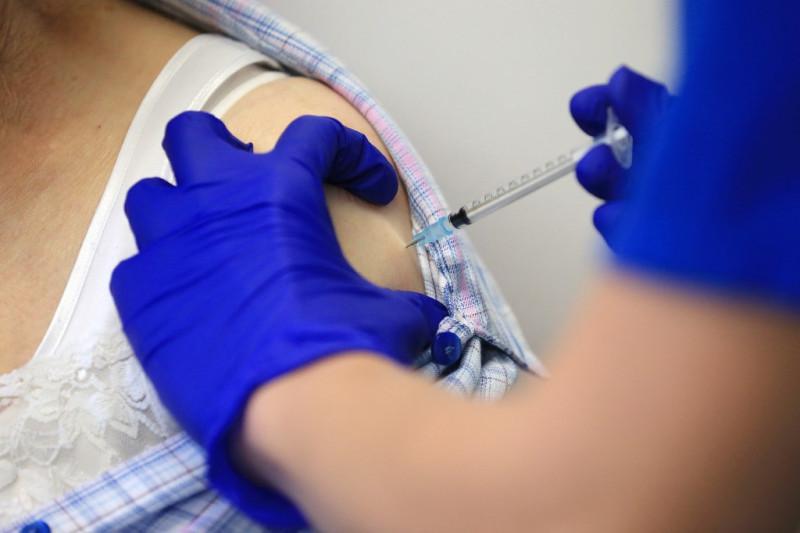
THE rise in cancer cases globally, including in Malaysia, is not linked to the Covid-19 vaccine, but rather attributed to other factors such as unhealthy lifestyles and delayed health screenings during the pandemic.
Senior Consultant in Oncology & Radiotherapy at KPJ Damansara Specialist Centre/KPJ Healthcare University Professor Dr. Aminudin Rahman Mohd Mydin, who spoke to Sinar Harian on the matter, said, there is widespread misconception about the vaccine's role in the increase of cancer cases.
Dr. Aminudin said that the rise in cancer diagnoses is not exclusive to Malaysia, but is a global trend, affecting individuals of all ages, including younger people.
He pointed out that during the Movement Control Order (MCO), many people were hesitant to seek medical attention and missed regular health checkups.
Additionally, lifestyle factors such as lack of exercise, poor diet, obesity, smoking, and vaping contributed significantly to the risk of cancer.
Following the end of the pandemic, an increase in cancer diagnoses became apparent as more individuals resumed health screenings and checkups.
Dr. Aminudin also referenced a recent study published in The Lancet, which identified air pollution as a major factor in the rise of cancer, particularly lung cancer among non-smokers.
In countries like China and East Asia, air pollution has been linked to a growing incidence of lung cancer, especially among women and those with more sensitive lungs.
The cancer death rate in Malaysia has also been on the rise, largely because many patients seek treatment only when their condition has advanced to a critical stage.
Dr. Aminudin stressed the importance of early detection through screenings, as it significantly improves the chances of successful treatment.
In support of this, Public Health Expert Datuk Dr. Zainal Ariffin Omar, was quoted by Sinar Harian saying that there is no credible scientific evidence linking the Covid-19 vaccine to cancer.
He dismissed claims suggesting that the vaccine is a cause of cancer as unfounded and not clinically proven.
Dr. Zainal Ariffin said the main risk factors remain related to lifestyle and environmental factors, and encouraged the public to rely on medically sound, evidence-based information while avoiding unverified claims.
Both experts called for greater focus on health screenings and the adoption of healthier lifestyles to prevent cancer. – February 17, 2025