
ONE of the oldest district hospitals in the country which used to treat patients in World War II caught the attention of Health Minister Datuk Seri Dr Dzulkefly Ahmad when it won the gold award for the most sustainable hospital in Asia.
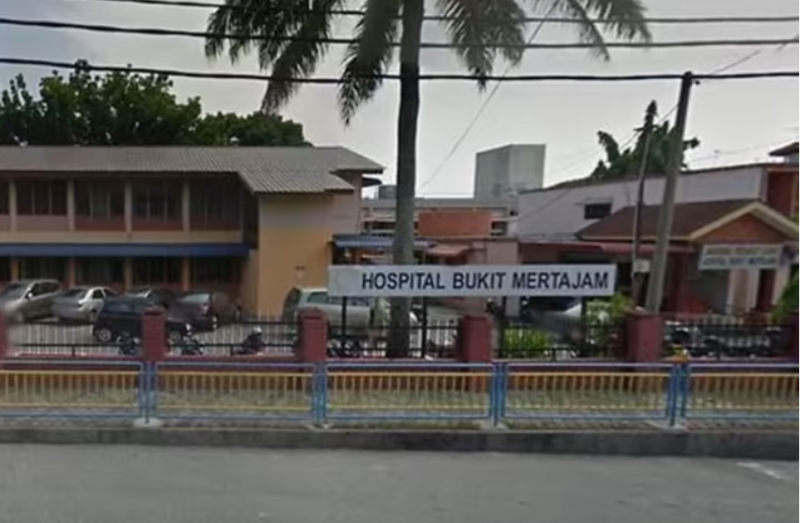
Bukit Mertajam district hospital was adjudged the best sustainable hospital in Asia by the inaugural Hospital Management Asia Awards at the GEM Centre Plenary Hall in Ho Chi Minh City, Vietnam.
The award was designed to celebrate the best hospitals in Asian healthcare.
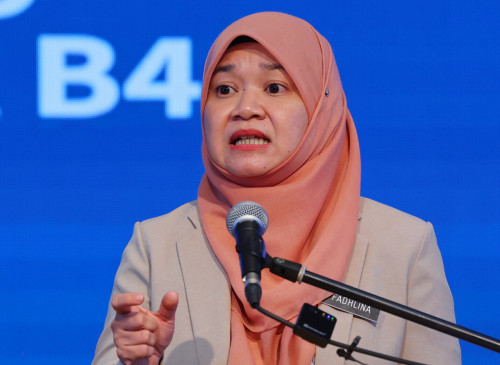
As Malaysia is aspiring to improve in its healthcare services, Dzulkefly said that it is also paramount that it cares for the surrounding environment.
Incorporating green initiatives into the management of the hospital is a step in the right direction and Dzulkefly urged all hospitals and clinics to emulate what the district hospital had achieved in the past year.
The hospital edged out established hospitals such as the Bangkok Hospital in Phuket, KPJ Selangor Specialist Hospital and the National University Hospital in Singapore, which were shortlisted as finalists.
The competition was intense, with140 hospitals taking part across 14 Asian nations.
Bukit Mertajam Hospital won mainly because of its energy saving measures.
It retrofitted the air-conditioning systems and transitioned to energy saving LED lights while its waste management initiatives were lauded.
The rest rooms were certified as zero waste, there was room for e-waste treatment, garden composting and cotton waste recycling.
Carbon reduction came by planting 1,100 trees around its compounds and reducing emergency rides to save fuel besides planting hydroponic vegetables and using biodegradable food trays for patients.
The hospital was represented by its director Dr Prashant Subramaniam, medical staffer Dr Kavin Raj Pergas, assistant director Amin Mustaqim, engineers; Nur Ashikin Saifozaman and Norzihan Mohd Zawawi.
Dzulkefly said that public hospitals should aspire to deliver world class treatment while also cultivating climate-conscious health systems.
The hospital was established in October 1890 with an initial four wards and 52 beds, offering general medical and gynaecological services.
It expanded its bed count over the years and served during World War II.
In the 1990s, with the opening of Hospital Seberang Jaya, its capacity was reduced to 242 beds, and it transitioned to a non - specialist status, but still a crucial element in providing healthcare services for mainlanders of Penang.
Human Resources Minister Steven Sim Chee Keong, the Bukit Mertajam MP also congratulated the hospital staff for their achievement. - September 14, 2025.