KANDAHAR – Once the epicentre of the Taliban's iron-fisted extremist government, Kandahar city in Afghanistan's restive south is slowly transforming into a vibrant urban centre dotted with bustling cafes, co-ed universities – and even a women's gym.
Every evening, young men head to the Arena club, a trendy cafe in the city of 700,000, to play snooker, watch football on a big screen, or smoke shisha "hubble-bubble" pipes – unthinkable when the Taliban ruled Afghanistan from 1996 to 2001.
"There was no such place in Kandahar when we built it and there is still no other such place in the (entire) south," said Nazir Ahmad, the 30-year-old owner of Arena.
But the city's youth fear such hard-earned freedoms are on the verge of being lost again as the Taliban ramp up attacks in their former heartland despite peace talks with the government.
Before the insurgents were overthrown by a US-led coalition in the wake of the September 11 attacks, they imposed a harsh version of the Islamic sharia law that banned all kinds of entertainment, from music and movies to flying kites.
The public floggings and executions in the city's squares still haunt residents, but Kandahar has undergone a huge transformation.
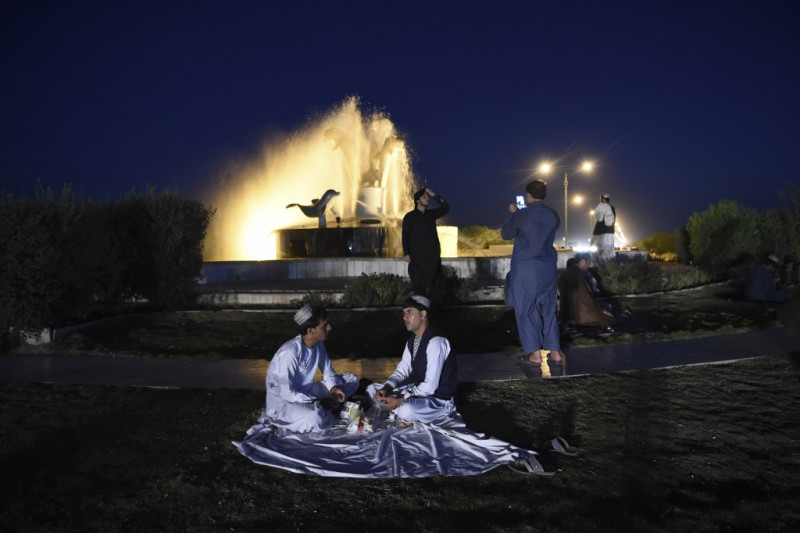
Women can now be seen riding side-saddle on the backs of motorcycles, families enjoy group picnics, and several city spaces have illuminated fountains that spring up at sunset while street vendors serve hot Afghan dishes into the night.
Despite that progress, the Taliban are emboldened after a deal with Washington that secured the withdrawal of all foreign forces by May 2021, and they have stepped up their campaign against Afghan forces in rural areas.
'What kind of peace?'
Afghanistan now faces the very real prospect of handing back some power to the insurgent group that US-led forces have been unable to defeat for 19 years.
The group already claims to control or contest more than half of the country, including large swathes of territory across southern Afghanistan.
Kandahar city remains firmly in the control of government forces, but the Taliban are on the doorstep.
"I hope the Taliban have changed and will let this club remain open," Ahmad told AFP.
In the city's upscale Ayno Maina neighbourhood, loud laughter rings out from the Cafe Delight, another trendy spot.
The cafe allows entry to women customers – something still uncommon in the city.
"What kind of peace would it be if they closed down our cafe?" asked owner Mohammad Yasin.
"We will not comply if the Taliban tell us not to accept female customers."
When the Taliban ruled Afghanistan, girls were banned from school and women accused of crimes such as adultery were stoned to death at sports stadiums.
But since their ousting, women have made significant progress in cities, entering the workforce in ambitious positions in the media, politics, and even the security forces.
Changed Taliban?
While they hope peace talks could bring much-needed security to the country, women in Kandahar fear losing some of their hard-won freedoms.
"There was only one school for girls and now we have 15," said Mariam Durrani, 36, who has launched several initiatives for women – including an education centre, a radio station, and even a gym where some women attend classes secretly.
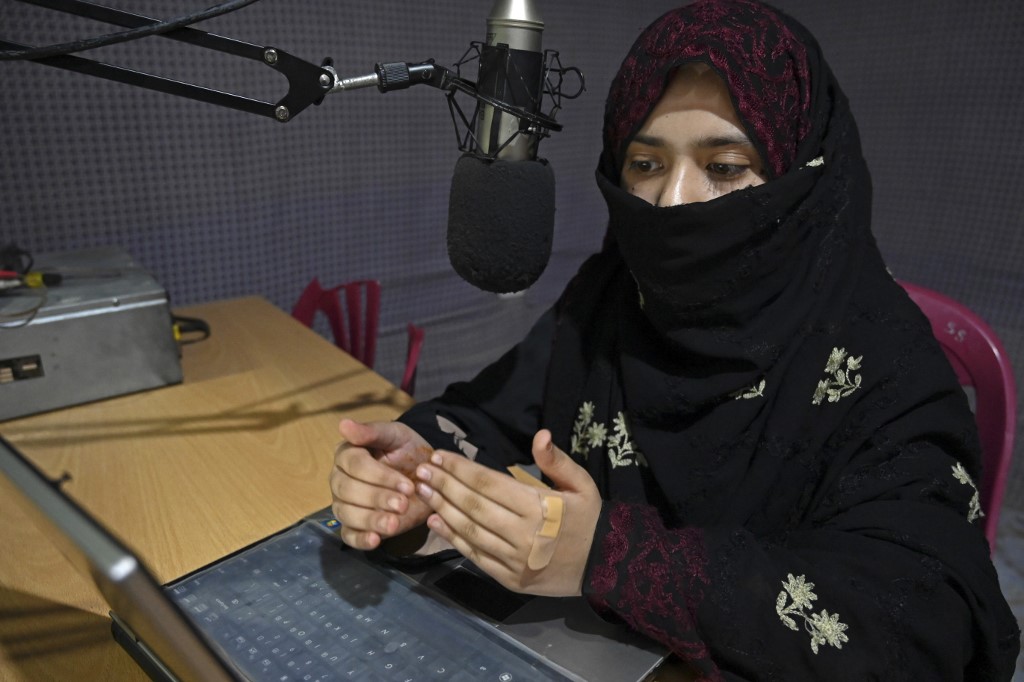
"There is a possibility that the Taliban may return and that restrictions could be imposed on women again," she said.
Some, however, have expressed cautious optimism such as Shukria Ali, who works at Radio Merman, a women-led station launched by Durrani which recently received a prize from the press freedom group Reporters Without Borders.
"Maybe the Taliban have changed," she said, several weeks before a string of deadly and unclaimed attacks on journalists in the country.
Her mother Feroza, who was forced to quit working as a seamstress when the Taliban ruled, still talks little about those bleak years.
"If I go out without a burqa today, it's not a problem," said Feroza.
"But before (when the Taliban ruled), I would have been thrown in jail." – AFP, January 4, 2021