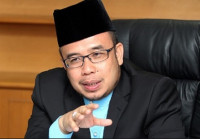
THE trend of wearing the hijab in ways that leave the ears and neck exposed is worrying, as it could create confusion over the actual requirements of covering aurat, Penang Mufti Prof Madya Datuk Dr Mohd Sukki Othman said.
He said the growing number of artistes and public figures choosing to wear the hijab and adopt a more modest image should be welcomed.
However, he said some styles had become trends despite leaving the ears and neck exposed, with the hijab also failing to properly cover the chest.
“More worrying is when this kind of style becomes a trend and is then copied by young people.
“This is not simply about fashion. It concerns the public’s understanding of the obligation to cover aurat,” he told Kosmo! yesterday.
Mohd Sukki said Allah SWT had stated in Surah al-Nur, verse 31, that women should draw their head coverings over their chests.
He said wearing a hijab was not simply about placing a piece of cloth over the head, as there were also religious requirements that needed to be observed.
“Hair, ears and the neck are among the parts of a woman’s aurat that must be covered in front of non-mahram men, while the hijab should be extended to cover the chest.
“We do not dispute creativity in fashion. Islam does not prevent anyone from looking neat, beautiful or keeping up with current trends.
“But fashion must follow the requirements of the Shariah, not have the Shariah changed to suit fashion,” he said.
Mohd Sukki also reminded artistes and influencers to be aware of the influence they have, particularly among young people.
He said anything worn, done or displayed by public figures could become a reference for hundreds of thousands, or even millions, of followers.
“When an artiste wears the hijab in a certain way, thousands of teenagers may follow it the next day.
“When a particular style is repeatedly adopted by well-known figures, over time it can come to be seen as normal and accepted as an example of Muslim women’s dress that complies with the Shariah,” he added.
He said reminders from religious scholars on the matter should not be seen as an attempt to find fault with artistes or interfere in their personal lives.
“The role of religious scholars is not to judge people, but to explain the boundaries of religion when they become increasingly blurred.
“We are concerned that if practices that do not meet the requirements of covering aurat are left without explanation, the younger generation may eventually no longer be able to distinguish between ‘wearing the hijab’ and ‘covering aurat’,” he explained. – September 7, 2026