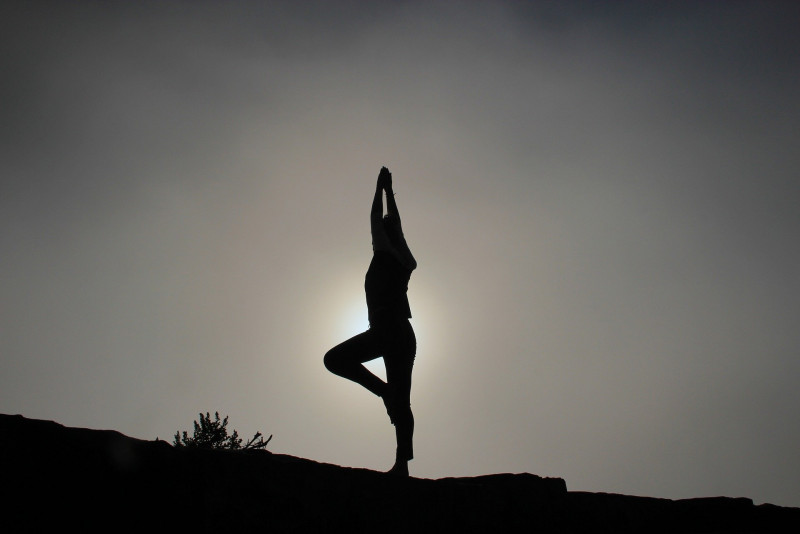
THE ongoing debate over yoga flared up again this week after the Federal Territory Mufti’s Office drew a hard line, reminding Muslims that any physical exercise intertwined with religious elements, mantras, or worship remains strictly off-limits.
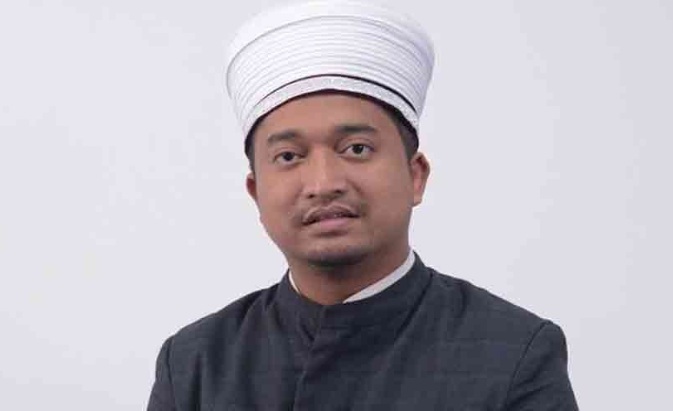
The warning came from Federal Territory Mufti Ahmad Fauwaz Fadzil in the latest edition of Tinta Mufti.
It was sparked by a viral social media clip portraying yoga as a universal stretch suitable for all, even nudging viewers to book a spot at the Shiva Yoga Peeth in Rishikesh, India.
Cutting through the noise, the Mufti's office explained that Islamic law doesn't simply lump all stretching and bending into one category.
Pure physical exercise—completely detached from rituals, chants, or foreign spiritual elements—is judged differently.
But the moment a routine becomes entangled with metaphysical philosophies, alternative spiritual meditation, or sacred chants, it crosses a theological boundary.
“The ruling does not merely look at what the body does, but also evaluates what is uttered, believed, intended, and internalized through the practice,” Ahmad Fauwaz wrote.
Take that specific Rishikesh program making the rounds online, for instance. A closer look at its curriculum shows it goes far beyond basic fitness.
The syllabus includes deep dives into the Bhagavad Gita and Yoga Sutras, Om chanting, chakra meditation, Gayatri mantras, plus temple tours and the Ganga Aarti.
Because of that, authorities pointed out it is a mistake to view such institutions purely as wellness retreats for flexibility or stress relief.
The Mufti’s office also offered a pointed reminder to public figures and influencers: be careful when dropping opinions on religious law.
Just because someone had a transformative personal breakthrough or admires a particular guru does not mean they are qualified to hand down a religious decree for the public.
Even so, officials were quick to clarify that drawing these theological boundaries is not an invitation to hostility.
True harmony, the office stressed, is built on mutual respect, knowledge, and proper etiquette—not by blending different religious rituals or watering down core beliefs. – September 5, 2026














.jpg)