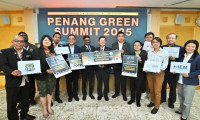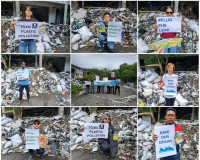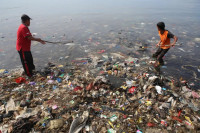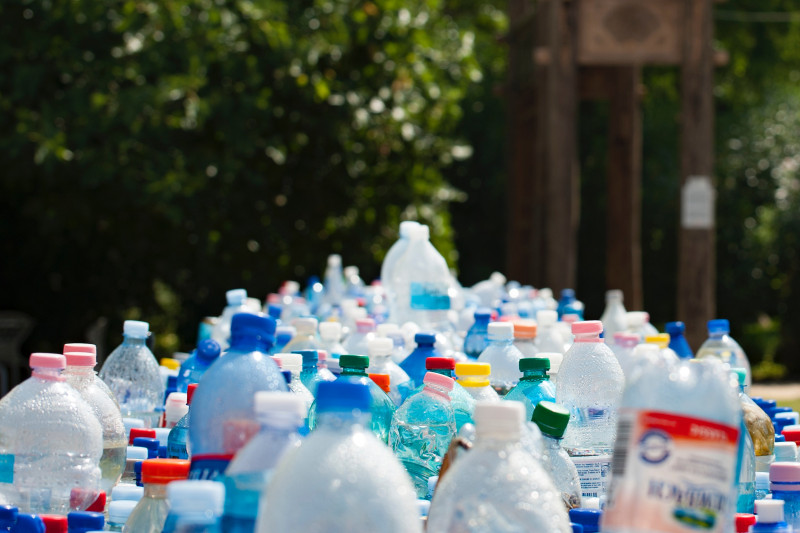

THE nation's oldest non-governmental organisation of Sahabat Alam Malaysia (SAM) sees an opportunity in a need to embrace the much touted circular economy, which means recycling and limiting waste output, especially non-degradable goods such as some plastics, which have been scientifically proven to cause water, land, and air pollution.
SAM's senior research officer Mageswari Sangaralingam has been both the voice and face of the zero-waste movement in Malaysia.
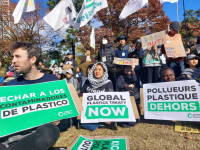
Together with SAM's global partners in the #breakfreefromplastic movement and the Global Alliance for Incinerators Alternatives (GAIA), which is regionally headquartered in the Philippines, Mages has championed for an outright ban on plastics.
Ideally, there should not be any plastics produced but realistically, it is a herculean task as the global industry market size has reportedly increased from approximately US$502 billion (more than RM2 trillion) in 2016 to US$579.7 billion last year.
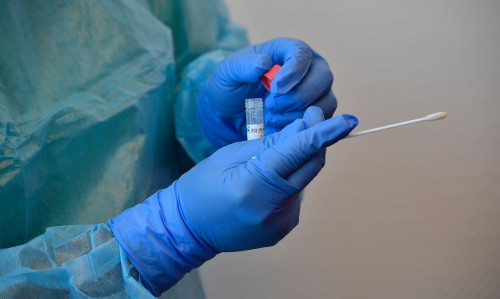
It is forecast that the global plastic market will increase to a value of US$750.1 billion by 2028 and it may be exponentially higher if one factors in the growing reliance on plastics in the fight against Covid-19, from protective equipment to takeaway containers.
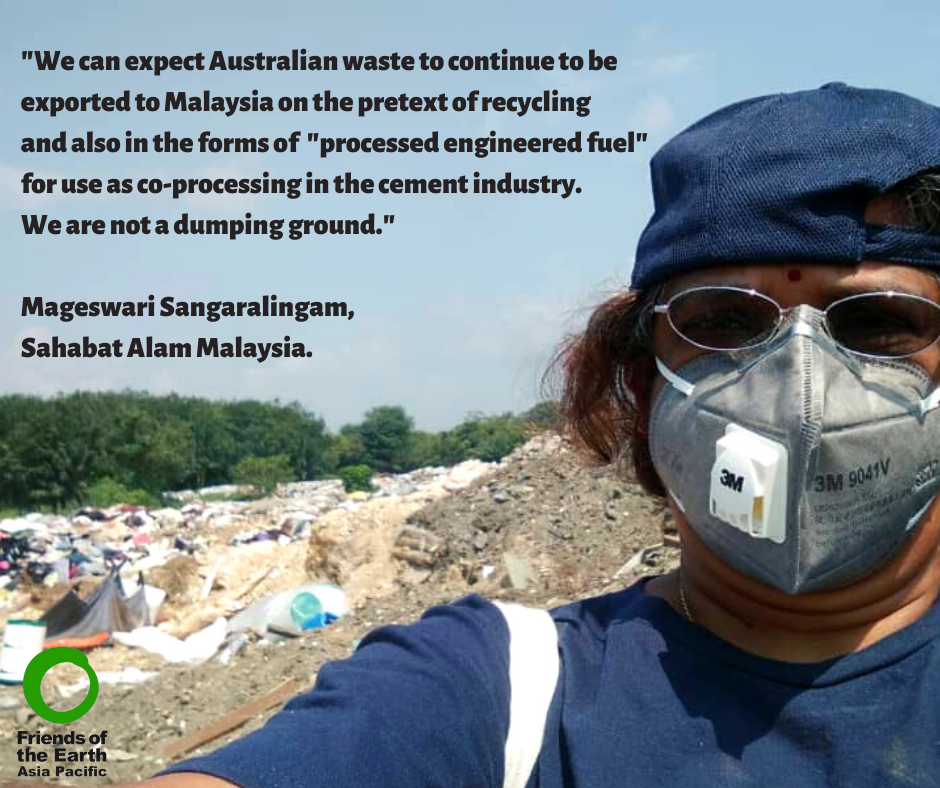
So as the fight continues to ban plastics outright, including imports from developed nations which end up in recycling factories or worse, illegally discarded at dumpsites or the rivers, the alternatives now are to reuse, recycle and reduce, said Mages.
She cited examples of how reuse, recycle and reduce industries can mature into small medium enterprises (SMEs).
Importantly it is about turning people into budding entrepreneurs who can both save the planet and lives, she said.
But to make it sustainable means to make it commercially viable.
In Malaysia, a host of SMEs have sprouted up to sell recycled items, from apparel to cookware to souvenirs and even the conversion of food waste into fertilisers.
GAIA knowledge management officer Sherma E. Benosa travelled around the region to find success stories of entrepreneurs and SMEs, who are making a difference.
For example, she shared that Singapore’s barePack has pioneered an app-enabled, membership-based platform to loan reusable food containers for people on the go, in partnership with food outlets and leading delivery platforms.
Australia’s Bring Me Home, meanwhile, also an app-based platform, rescues surplus food from becoming food waste by connecting people to restaurants at the end-of-day – allowing them to avail of huge discounts for food that otherwise would go into the bin.
Food waste in Southeast Asia
Benosa says that food waste is a big issue in the Asia Pacific region.
In Australia alone, over 7.3 million tons of food waste was generated from 2016 to 2017.
With the launch of Bring Me Home in 2017, consumers were able to avail of the same quality food at discounts ranging from 30% to 70%, thanks to the app.
Moreover, partner food outlets increased their foot traffic during traditionally slow hours, increasing their profits and minimising their food waste.
In Penang, 25-year-old Calvin Chan has set up the Green Hero initiative where restaurants can call him and his members to collect excess food to be resold at 50% less.
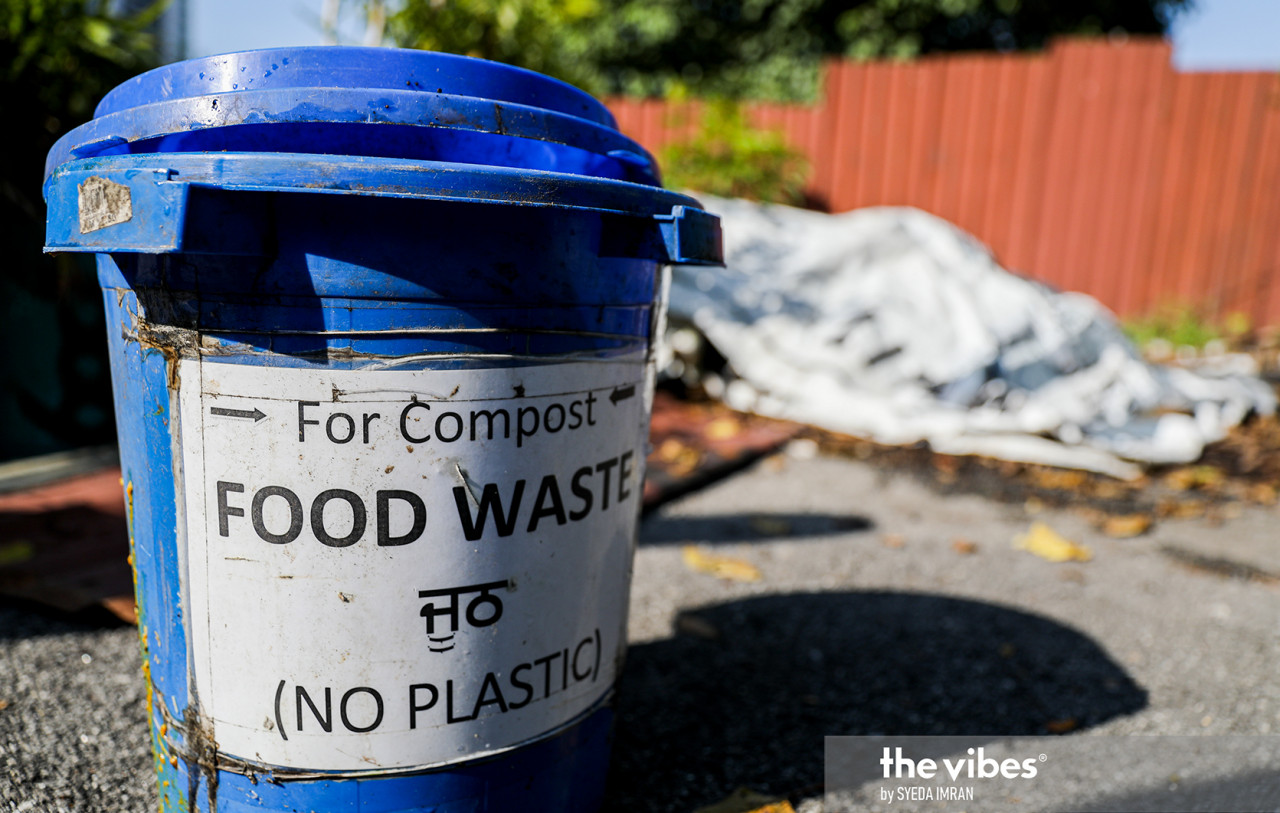
Roxane Uzureau, founder of barePack Singapore, said that they are guided by their mission of replacing the millions of disposables used daily in food and beverage takeaway and delivery.
"I have always been sensitive to the notion of waste. It's something that genuinely upsets me. Everything has an environmental cost, even what you consider free," she said.
Officially launched in Singapore last year, the barePack app has enabled its users to order food using reusable containers which they could return by dropping them off at member-restaurants and other drop-off points.
“We need everybody to understand that business stands for a sole purpose: to make this planet a better and cleaner place,” said Rangi Jory Madarang, co-founder of AMGU, a plastic-free store based in Central Philippines.
According to Rangi, there are times when people who are not familiar with Zero Waste would visit their store and come out with a working knowledge on the concept.
“They are amazed with what they learned inside the store, and then they come back and become our regulars,” she said.
Cheryl Anne Low, founder of NUDE, a zero-waste store at Petaling Jaya, recalled the times they taught children about the concept.
“Many children would pop in for biscuits and snacks, so we would teach them to bring their own containers. They would go home, tell their parents, and their curious parents would come visit us. Their praises for what we were doing in teaching their children about the environment and how something like packaging can be harmful to marine life and animals, were always heart-warming.
"The parents appreciated what we were doing, and the kids came every day,” she shared.
According to Bittu John Kalungal, proprietor of India’s 7-9 Green Store, seeing respected members of the community modelling good behaviour, like bringing their own containers, inspires other people to do the same.
Supply side recycling
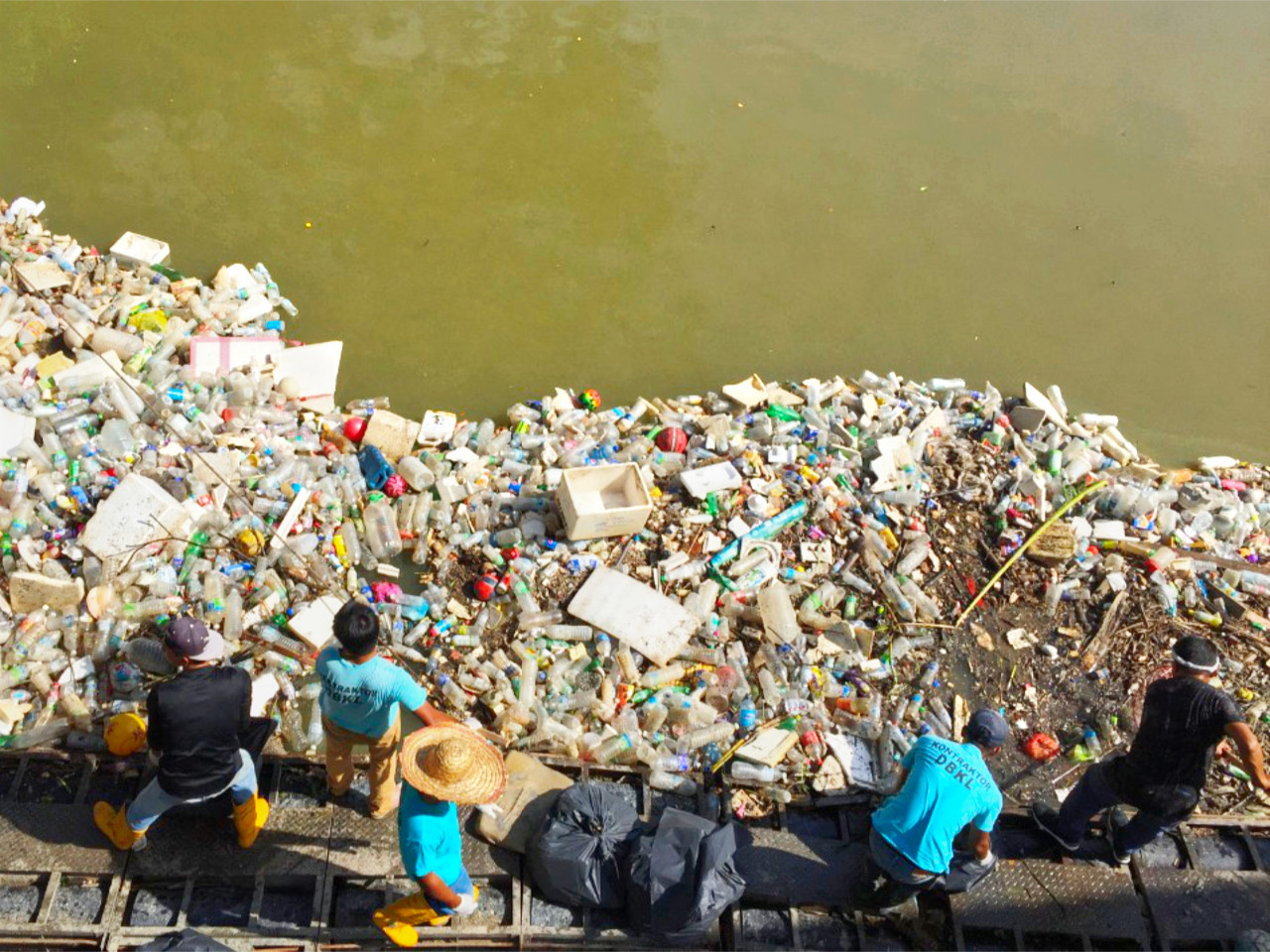
Another key to providing quality and affordable products is having suppliers that are aligned with the zero-waste goal.
“Making the suppliers understand the reasons why we would like to buy package-free from them and coming up with workable realistic solutions for both parties is important,” NUDE’s Cheryl Ann said,
Alison Batchelor, proprietor of Vietnam’s Refillables Hoi An, agrees.
For her store, she traced the makers of various products and built a reliable supplier base that would not compromise on affordable, quality, refillable, and eco-friendly products.
Besides BarePack and Bring Me Home, Enviu is another example of an organisation in Indonesia that designs innovative reuse and refill models to reduce plastic pollution.
Although not technically a store but rather an organisation that develops and pilots' various ventures in several countries, Enviu also runs the Zero Waste Living Lab programme to tackle plastic pollution in Indonesia.
Under this programme, they provide warung (a highly frequented store) customers reusable bottles as alternatives to single-use plastic sachets.
Customers get cashbacks and incentives upon returning these bottles.
Mages says that more enterprises can migrate towards the green concept of business.
The circular economy is here to stay, especially where the world is not only facing a pandemic but the increasingly dangerous consequences of climate change. – The Vibes, September 15, 2021.