
SOMETIMES you see an image so striking, it moves you to look for more from the one who captured it.
I first became aware of Philippe Durant’s photography when Maria J. Dass wrote a thoughtful heritage piece on the decaying town of Papan, Perak for The Vibes in June.
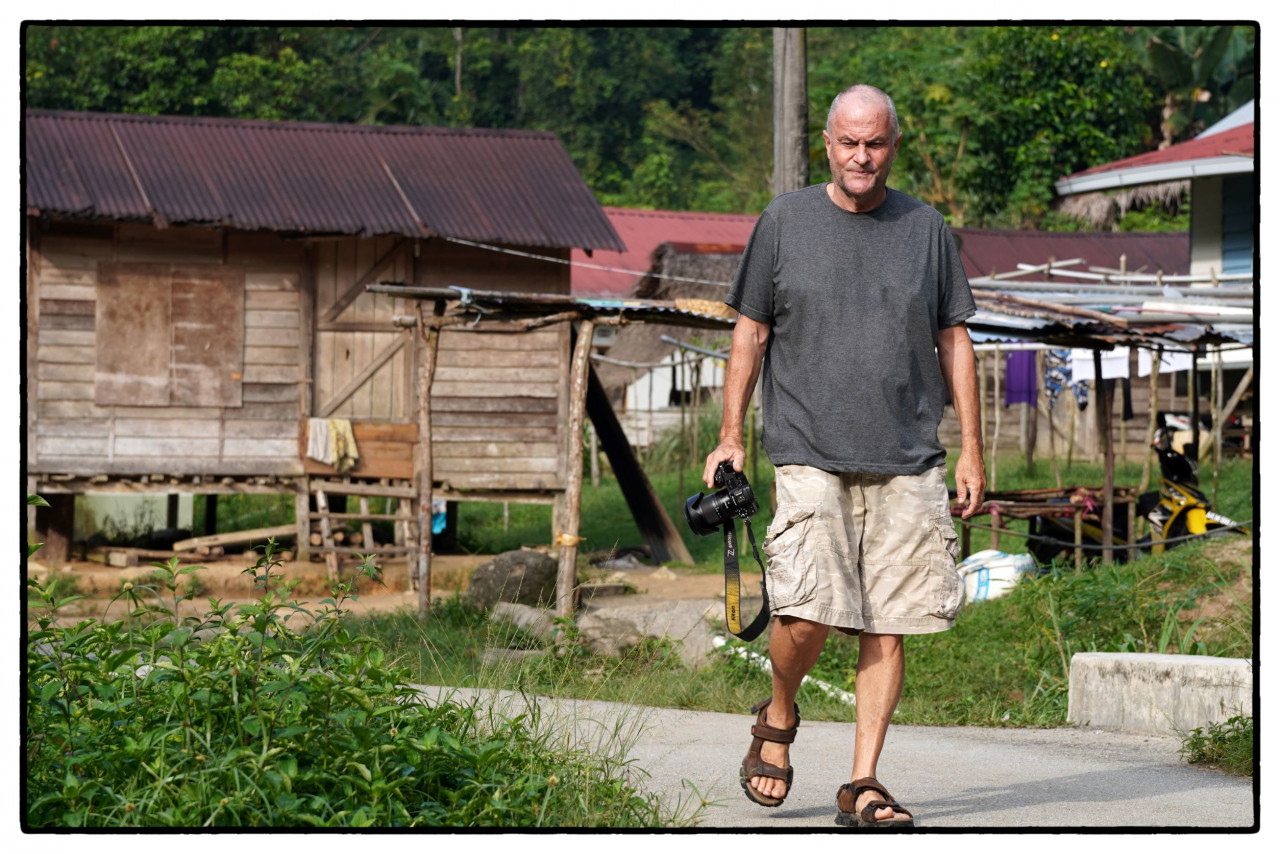
Intrigued by not just the subject matter, but by the accompanying images, I did what anyone with a natural curiosity would do – I looked him up on Facebook to see what kind of eye this 63-year-old Belgian transplant was cultivating in the lush but quietly remote area just outside Ipoh, which he and his wife have chosen to call home.
The Vibes caught up with photographer Philippe Durant to understand what guides his desire to document the lives of ordinary people and long-forgotten places.
TV: How did you come to retire in such a quiet spot – what was your journey to this point in your life?
Philippe Durant: I actually do not consider myself a retiree. I go shooting, visiting, discovering, exploring, and documenting almost every day.
Just before the start of the pandemic, my wife and I decided to move to Perak and start our new life’s chapter here. Together with finding calm, my goal was to enjoy my passion for photography. During this pandemic, I was able to bring it to a new level – dedicating myself full time to improve my skills, technique and equipment.
My ‘targets’ are mostly within the Silver State (Perak), though I have travelled extensively and explored other states as well.
When I was a kid, ‘The Little Prince’ by St Exupery and ‘The Adventure of Tintin’ by Herge, used to make me dream of travelling everywhere and discovering the world, the countless cultures, the various landscapes, the diverse traditions.
I graduated in 1979 with a BA+ teaching certificate in Education. At the same time, I joined as a free student some lectures in photography in one of the best art schools in my country after buying my first camera (a Pentax) for a journey around Scandinavia.
I did commission photography work for the National Geological Society at the time and enjoyed learning about capturing moments and working in the dark room with friends. I taught in my small home town for a couple of years before opening a bar/café/restaurant with a friend.
In 1988, I decided to live my dream and left Belgium to travel in Asia without a specific goal. In the Philippines, I met the head of an international school, who took me on board. For 25 years, I managed to live and work in twelve countries thanks to international education.
The peak of my career was when I was appointed Founding Head for the European International School in the Philippines. Photography remained just a hobby during that time.
The page was turned in 2013 after a very complex experience in Khartoum, Sudan. Not only was daily life in the country quite difficult, but this professional posting was a very disappointing one for me.
As a photographer, I had my worst experience in a market of the capital city when a crowd rushed to me, took my camera and started to get very threatening. I thought I was going to be killed. Thankfully, my badge, which was issued by the richest man in the country, saved me when they saw it.
During the winter vacation, I met my wife in Luang Prabang, Laos and we decided to embark on an F&B venture in Malaysia. We put an end to it in 2019, just before the pandemic and decided to go and enjoy our respective passions for arts in a calm, green and peaceful environment.
So, we moved to Meru Valley, Ipoh and are still here waiting for a possible new adventure. My mission is for sure partly accomplished with 16 host countries and probably 30 others as a visitor. Yet, there are still destinations on my bucket list. Let's see what the future has in store.
TV: What does the act of capturing moments in time mean for you?
PD: It represents a testimony. One of my favourite quotes by R. Frank illustrates this best: “Things move on, time passes, people go away. Maybe they don't come back. Only the pictures remain.”
TV: What do you enjoy about photography? It started as a boyhood hobby, how did it become your calling?
PD: I enjoy capturing unique moments, events, portraits, and places. Looking for the best angles. Mostly it taught me to look at things very differently or to fundamentally change the way I look at things, to see what most people won’t, to observe.
I wanted to be a bit like Tintin – a reporter with a camera – but for all sorts of reasons, it did not materialise but other options did.
I have always been fascinated by light, shadow, colours and cloud formations, and photography was the best way to immortalise my experiences with them around the world.
TV: You capture people and landscapes – but which do you prefer photographing, and why?
PD: I do not have a preference. As long as the ordinary can become extraordinary, I will try and capture it.
TV: ‘Witnessing’ is something a lot of photojournalists talk about – can you tell us what it means for you and the subjects you choose to photograph?
PD: “The Earth is the Art, the photographer just a witness” Y. A. Bertrand. It means that being privileged enough being a photographer, I can freeze unique moments, sceneries, faces forever and show how things and people were at a given time.
TV: How did you discover Papan – and what keeps you going back there?
PD: When I moved to Ipoh, I met several artists. I found one of them exceptional, Azhar Kamaruddin. He invited me to discover the story of his passion for ship building and the story of his childhood in tin mining. He mentioned Papan and I went immediately to the village for the first time.
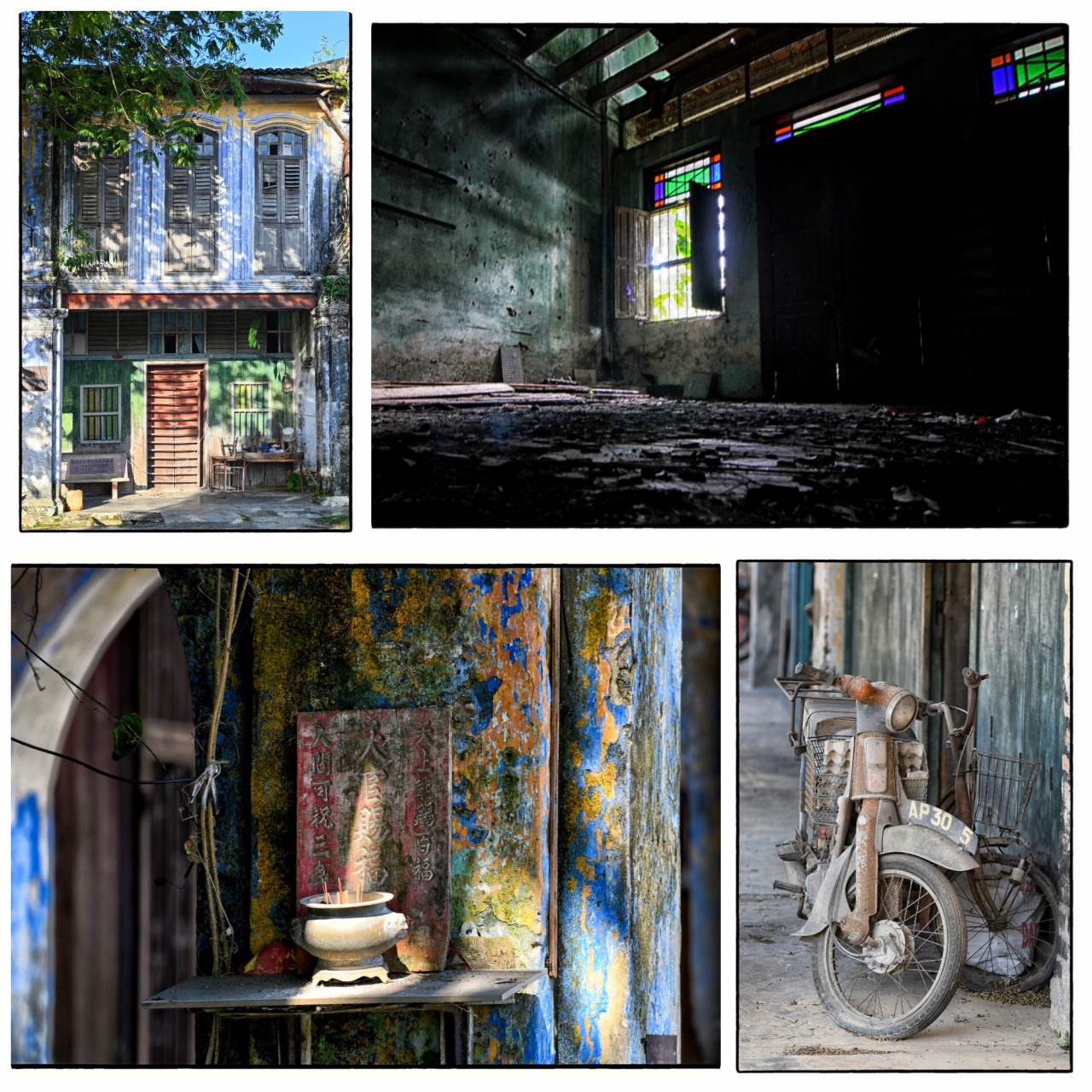
It is the most extraordinary place in Malaysia for me in many respects, only 18 km from home which explains my hundreds of visits to this location.
TV: When you’re documenting places like Papan, what do you hope people get out of it? Is there a hope that some tangible action or result will come out of these photo essays – from NGOs or the local government to preserve these sites?
PD: Yes, I tried throughout my photography, some videos, three conferences, one exhibition and had stories illustrated by photography published (including in The Vibes) to create awareness at least. I wanted people to realise what this historical place represents.
I met politicians, diplomats, business people, local authorities representatives … but it did not lead to anything other than short visits and empty words. Today there is still no restoration or move to preserve what is already far in ruin.
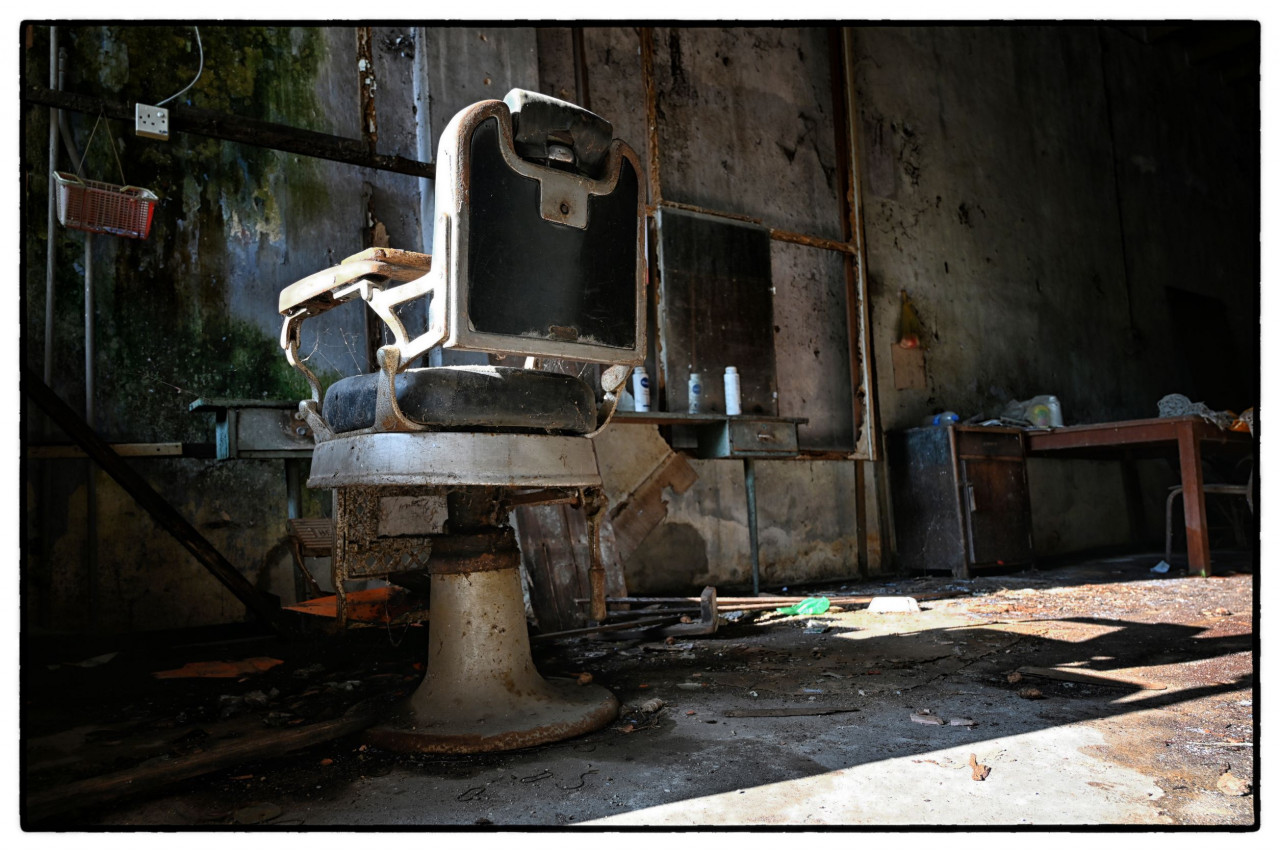
TV: In the case of Papan, the town is more or less deserted to time, and the buildings are dilapidated and falling down – can anything actually be done?
PD: With a strong will, financial means, genuine interest – probably. Look at the success story of Angkor Wat in Siem Reap.
TV: Do you feel that looking at these subjects through the lens of an outsider lets you see things that perhaps a local could miss?
PD: I would say that heritage sites are not really part of the agenda of most locals. I believe that 90% of Perakians have never even been to Papan or if they have, it was just for 5 minutes and a series of selfies. Many of them asked me what is special to eat in Papan. As there is nothing ‘special to eat’, they stopped showing interest in it.
TV: How easy or difficult is it to communicate with the local community and your subjects when you don’t speak the language – how can you make sure the story you’re telling is authentic and factual, and not being slanted through an ethnocentric lens?
PD: I have to admit that I made no effort at all to learn any original languages spoken in Malaysia. So, it is a handicap to all means. However, when needed my wife speaks Mandarin, Cantonese, Hokkien and Bahasa.
Other people came to help with communication as well. Yet, a few individuals in Papan have decent English. Finally, every historical story always has a different version, isn’t that right?
TV: It is. So, what makes a good story?
PD: Something touching the senses and feelings of the people. It is all relative though.
TV: What is your favourite ‘story’ to tell?
PD: In the last two years as a full-time photographer, three subjects were by far my favourites:
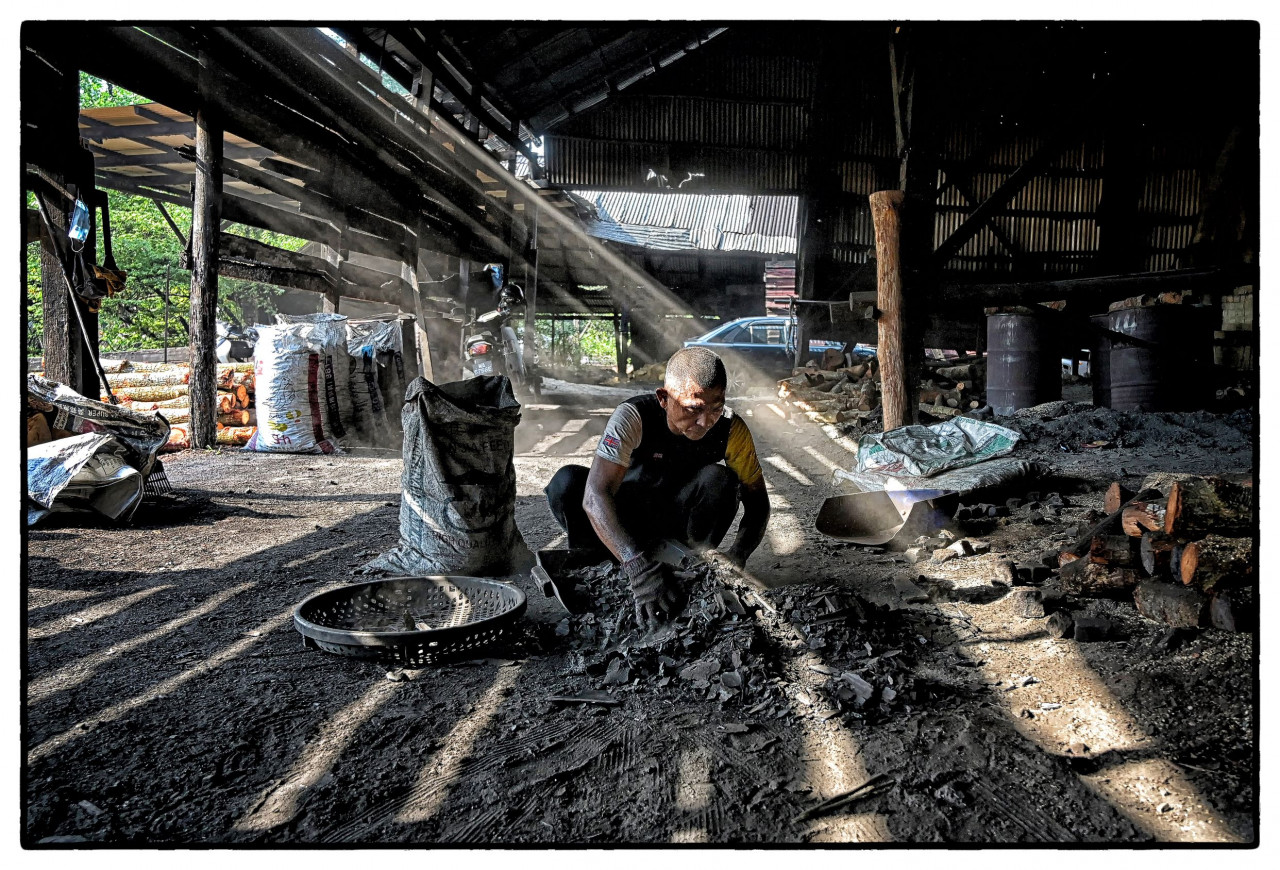
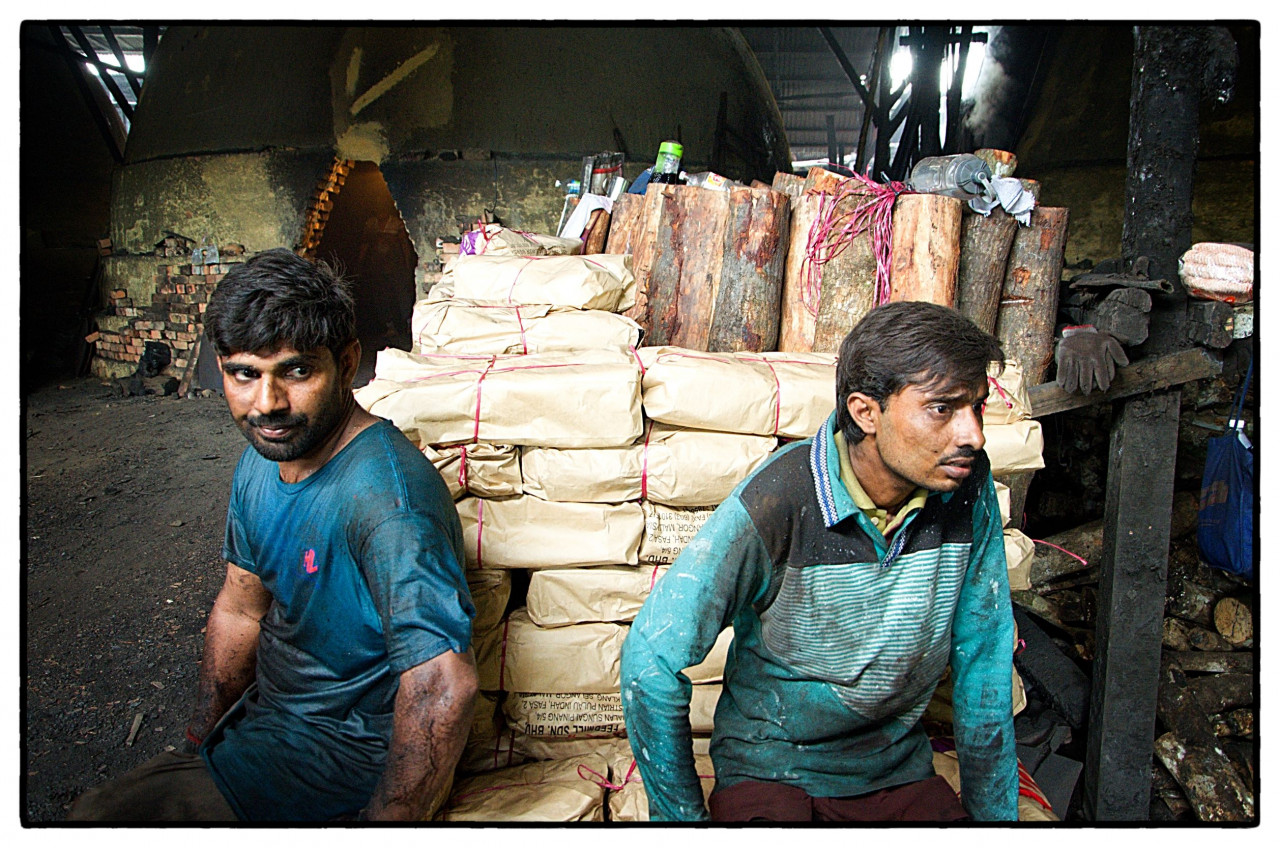
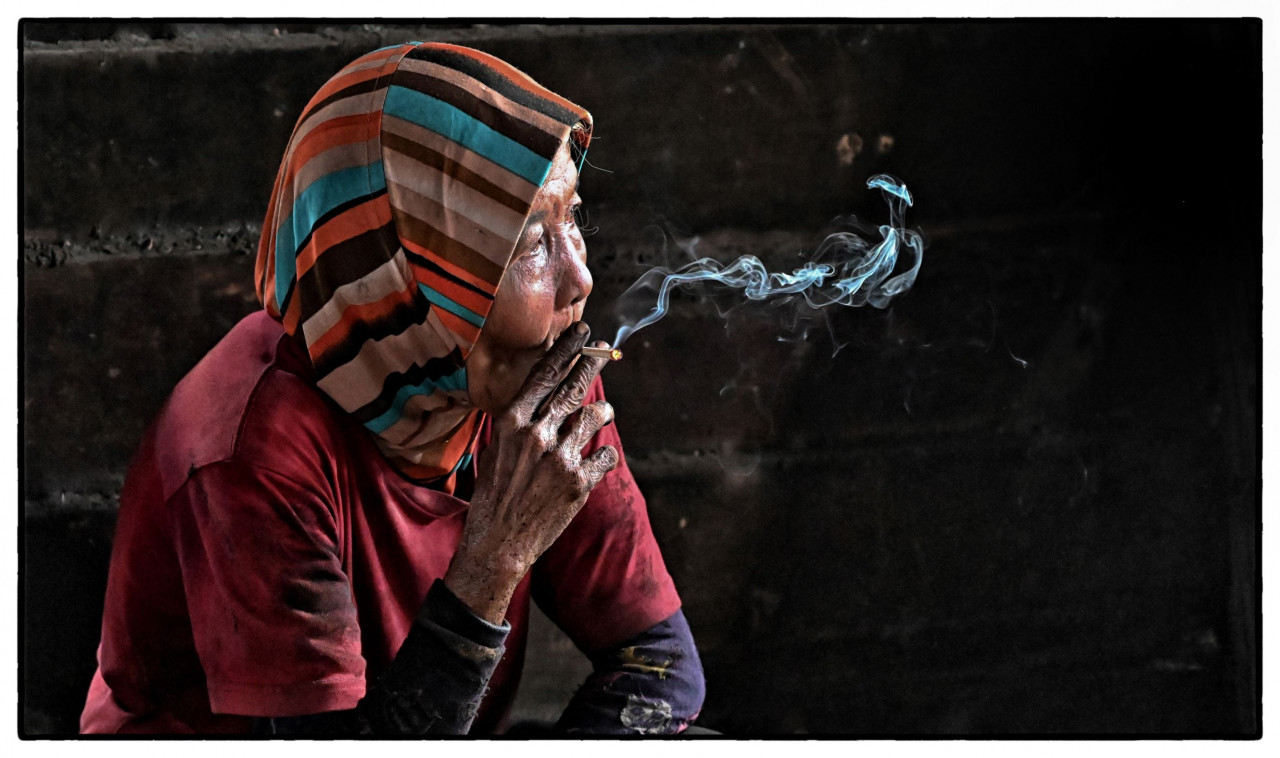
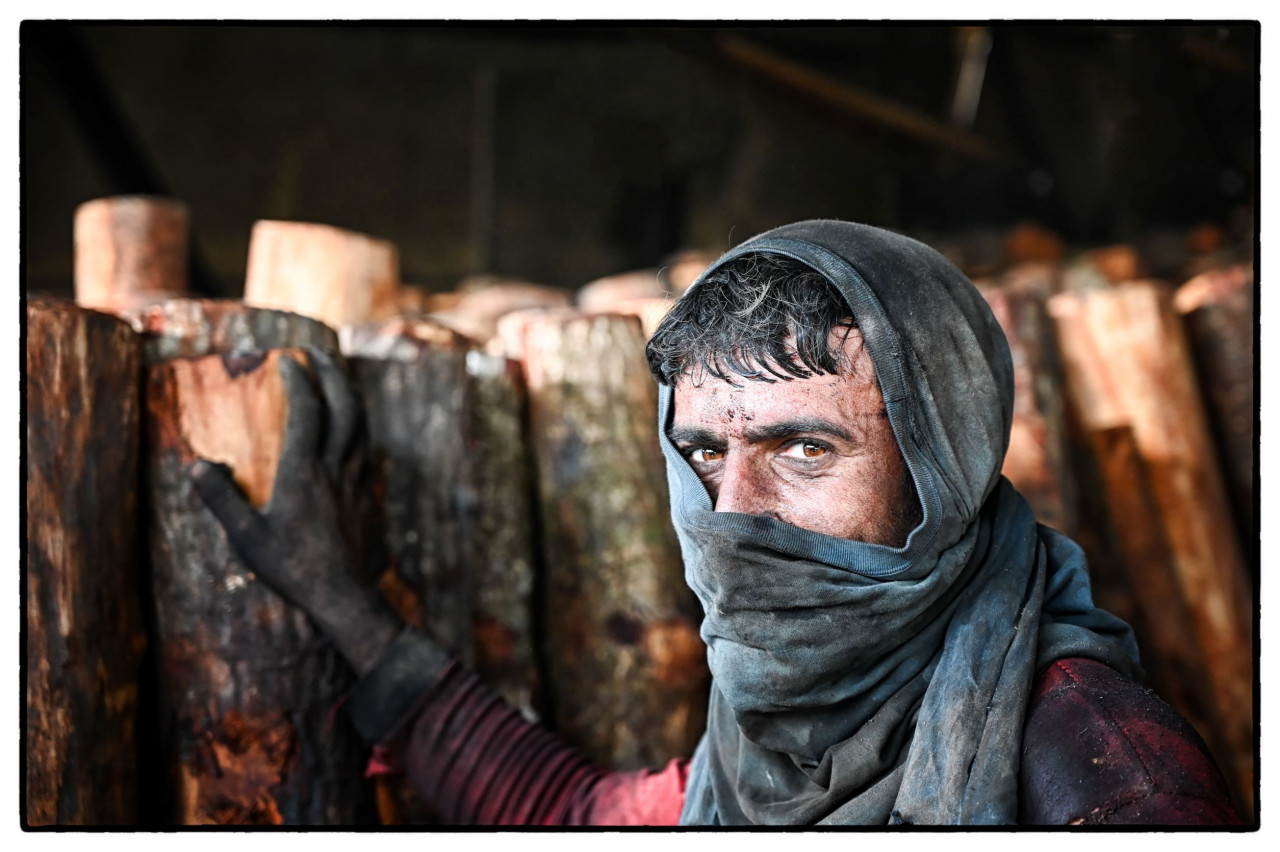
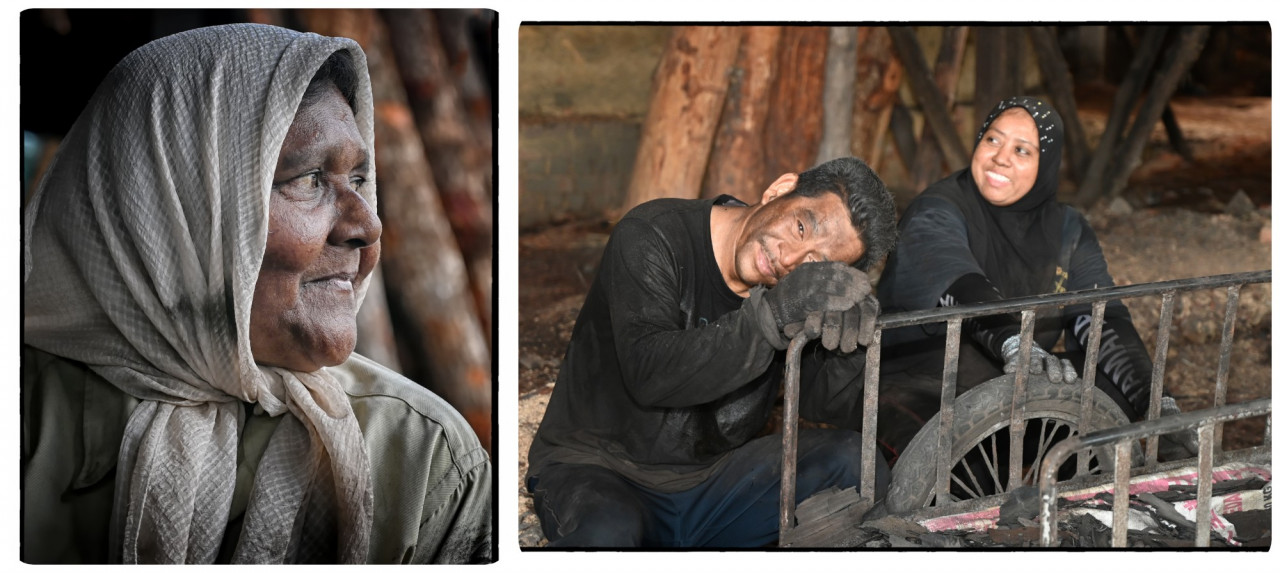
The charcoal factories in Kuala Sepetang with their unique atmosphere, but mostly the human conditions of the workers.
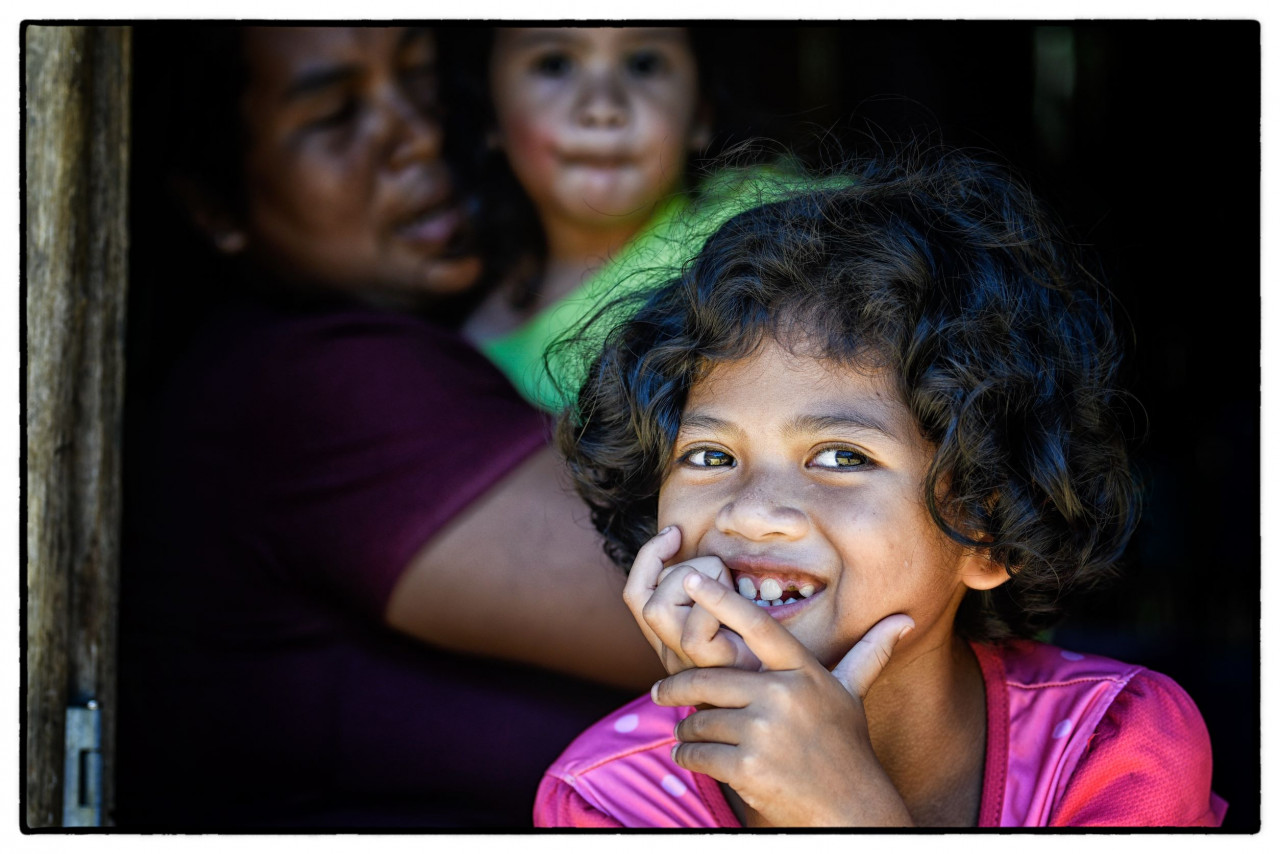
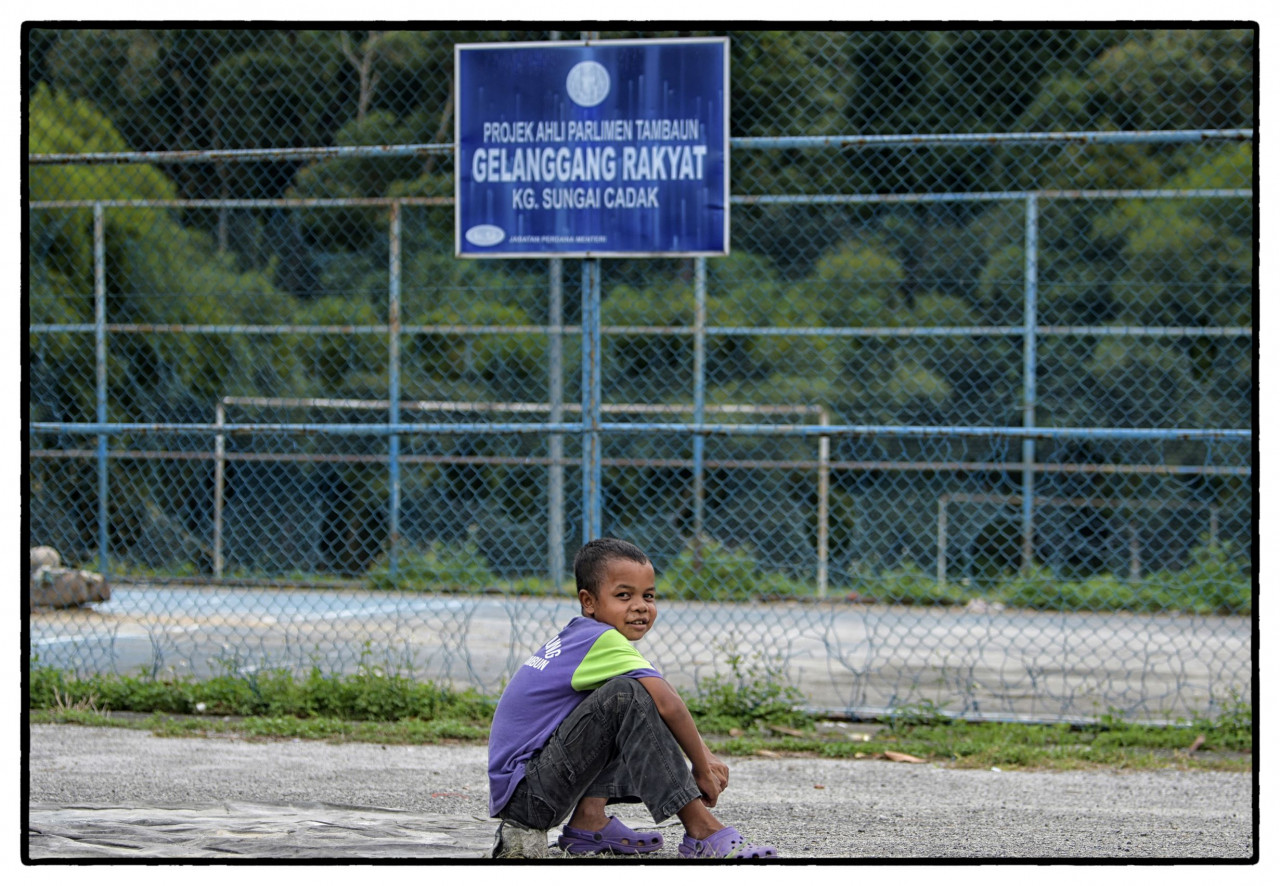
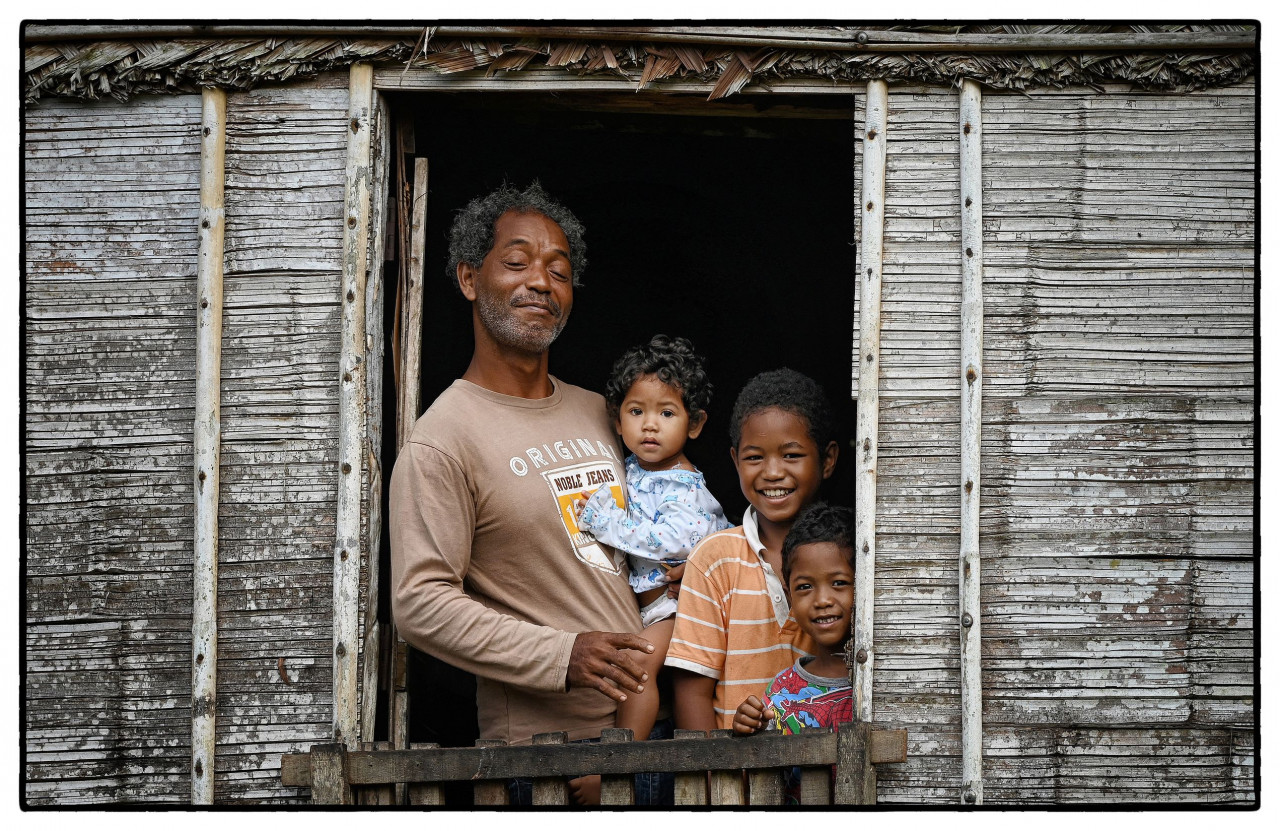
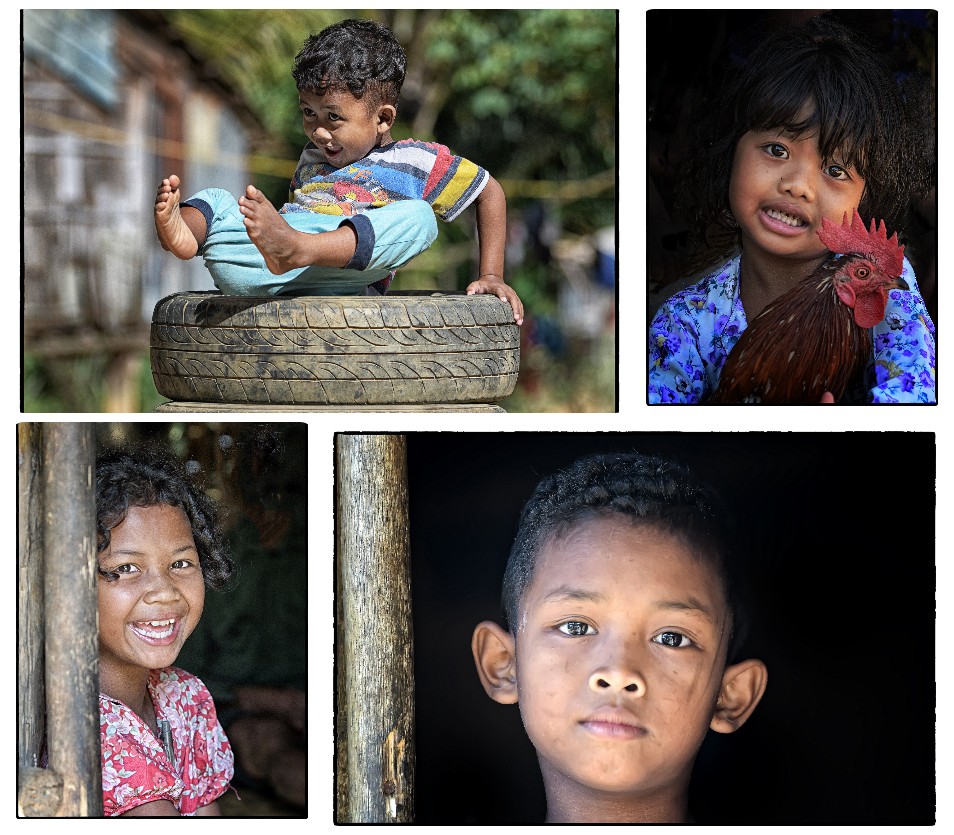
The Orang Asli in Perak: Their lives, their living conditions, their past, their physical features, the loss of their traditions, their place in the society.
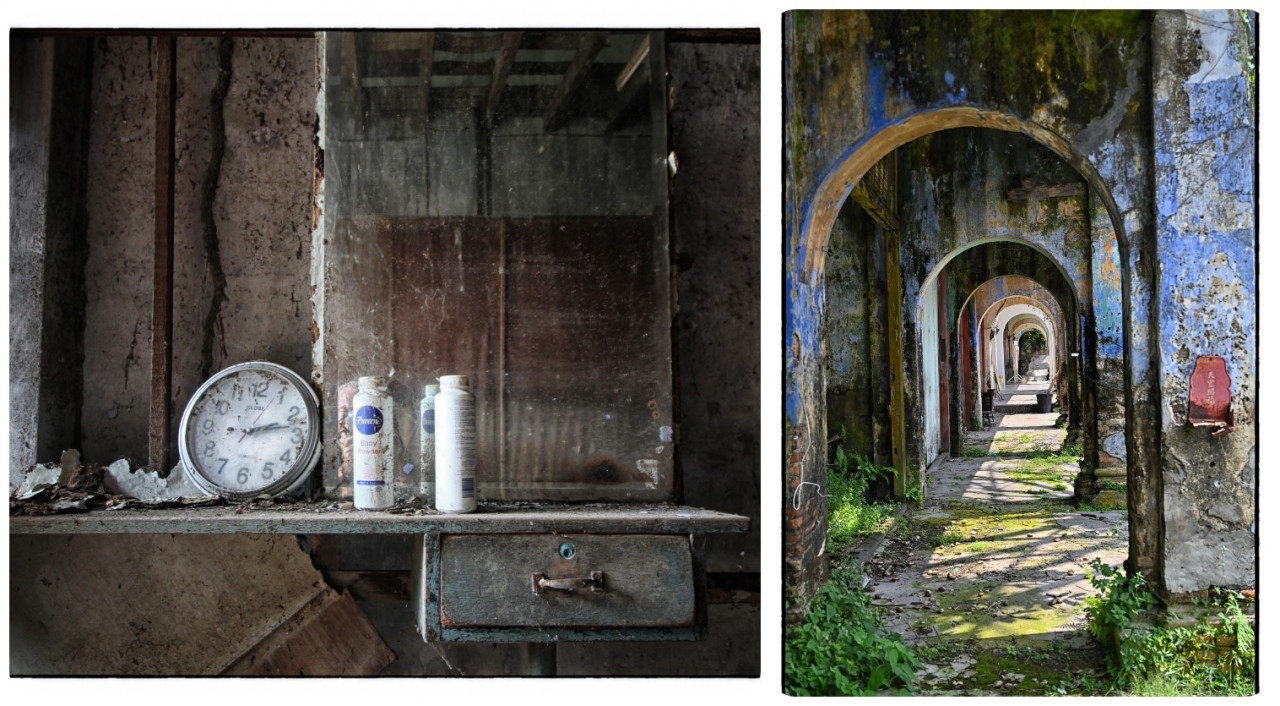
Papan: its history, its environment, its architecture, the decay, the inhabitants, the colours …
TV: What about these subjects captures your interest?
PD: On one hand people with particular features, traditions, skills and stories and the buildings and environments are directly related and connected to them. On the other hand, the colours, the light and shadows, the shapes, ..
TV: How do you get that person, place or thing in front of the camera onto the film, chip or paper – in just the way you want? What is your shooting strategy?
PD: I very rarely take ‘posed portraits’. I believe that models, whoever they are, change their natural appearance once asked to pose here or there, this way or that way.
Most of the time, I ask permission to take the photo of the person I capture on camera but shoot during the conversation or at various moments. “When you photograph a face, you photograph the soul behind it”, J.L. Godard.
The moment you ask a person to stare at the camera you lose this opportunity. As a consequence, I may not have the most brilliant traditional portraits but I capture the person as she is.
I occasionally take a candid portrait without asking as well, but very rarely. I do not do formal portraits but recently I was invited to photograph a royal wedding and did some of them aside from candid captures.
TV: Which photographers influenced you and how did they influence your thinking, photographing and career path?
PD: I will mention three for various reasons:
Henry Cartier-Besson (France) in my youth and still today. The master of graphism and composition of photography. Someone with a genuine passion for the art, never leaving home without a camera (unlike many so-called photographers who only take out their equipment when they get paid to).
Juliano Ribeiro Salgado (Brazil). The best contemporary photographer with a real purpose in his work and life. ‘The Salt of the Earth’ is a film about him directed by Wim Wenders (2014) is by far my favourite film about a photographer and the most inspirational.
Trevor Cole (Ireland). Trev was one of my colleagues in International Education. He decided to become a professional photographer and became quite famous. We stayed friends. I visited him a few times in Donegal. He is a good adviser for me and I admire his work.
TV: Exactly what do you want to say about your photographs, and how do you actually get your photographs to do that?
PD: They are mostly considered as documentary images, testimony of moments.
TV: What would you say is your career path now – from a hobbyist to actually doing it full-time? Is this the thing that sustains you, for a living?
PD: Well, photography and art in Malaysia does not really pay – or rarely, for some privileged or famous ones. Luckily and especially in these difficult times we are going through, I have savings from my previous occupations and mostly live on that. I do sell my photography but almost only to Westerners. A handful of locals appreciate my images and have some of them on their office or house walls.
TV: What technology, software, camera gear do you use to keep focused on what you do best, as you photograph?
PD: When I decided to devote my time to my passion, I upgraded my equipment, improved my techniques and improved my knowledge in software for post processing.
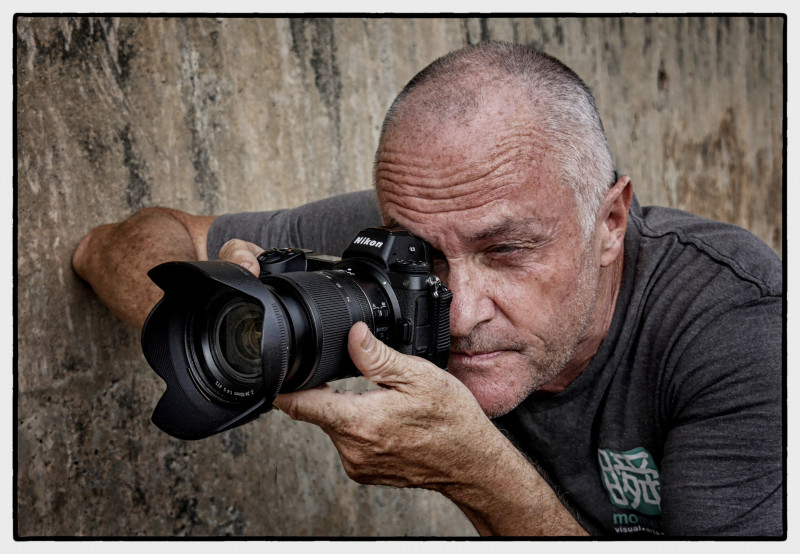
I have a Nikon Z6, a Nikon D500, a Sony 6400 mostly for videography and a Canon 7d currently, all with various lenses.
For post-processing, I use Adobe Photoshop first, followed by Nik collection.
TV: When you get on your motorbike to shoot subjects on your short trips, what equipment do you bring with you?
PD: Before leaving home, I decide what my target will be (landscape, portraiture, details, still objects or fast moving ones). According to the aim, I will take the appropriate lens and the camera.
Sometimes unexpected opportunities arise for a great shoot and I do not have the right equipment for it but no choice, especially on a scooter, I cannot take everything. Having a clear idea of what I want to achieve on a particular day, allows me to make the decision.
TV: What motivates you to continue taking pictures economically, politically, intellectually or emotionally?
PD: It is an emotional and intellectual drive only. I stay away from politics (though I have opinions on the matter) and try not to think of the economical factors for my photography. Especially in the last two years, I have learned a lot about the art, about Malaysia, about human beings, and about nature through my photography.
I have written articles to accompany the photographs I’ve taken on these excursions which I have up on my Facebook page, ‘Malaysia through the lens of a Mat Salleh’. I have also done a few talks in Ipoh, a photography exhibition, and videos on the dilapidated town of Papan. The Facebook page I created about the former tin mining village has many followers, it’s called ‘Papan Moods’.
TV: How do you get paid to do what you want with your photography?
PD: Not everything is about money if you want to live the way you really want and stay away from boring daily life and routine.
TV: What would your advice be to aspiring photographers?
PD: Do you really have the passion or do you just hope to make money? If it is your passion, be yourself. Shoot as it feels. Do not join pointless groups of so-called photographers and go wherever you like. Learn to observe. Acquire the minimum technique to avoid disappointments and frustration. If just for money, do something else.
Is it for your own development and to leave something behind you or just for appearance? It is in you, go for it and shoot what you really want to. If just for appearance, stick to selfies. – The Vibes, October 3, 2021