
OPTIONS for breast cancer treatment nowadays are varied, and patients may be left feeling overwhelmed as they make complex decisions about how to move forward.
If you are considering the best option for you, you must know that once your doctor has diagnosed your breast cancer, they work to establish the extent (stage) of the cancer.
Note: Understanding a cancer's stage helps determine the prognosis and the best treatment for the cancer.
When it comes to the conventional approach, breast cancer surgery is usually followed by radiation therapy.
Intraoperative Radiotherapy of Breast Cancer (IORT in short) involves the direct irradiation of diseased tissue during surgery.
The rationale for this approach is the fact that the increase in the radiation dose increases local tumour control, which is the primary goal of radiation therapy.
Having that in mind, conventional radiation therapy requires patients to make daily trips to the hospital for weeks, where treatments can at times require a daily commitment. The scheduling itself proves to be a challenge and may make it less likely for patients to complete their treatment.
In contrast, IORT can be completed in a single session which makes it particularly effective.
Is IORT right for you?
A discussion with your doctor about Breast IORT, as well as other treatment options, is necessary to determine if you are a candidate, as well as how to best address your unique needs.
“This [treatment] is for early breast cancer or when the cancer has spread to the lymph nodes,” shared Azlina.
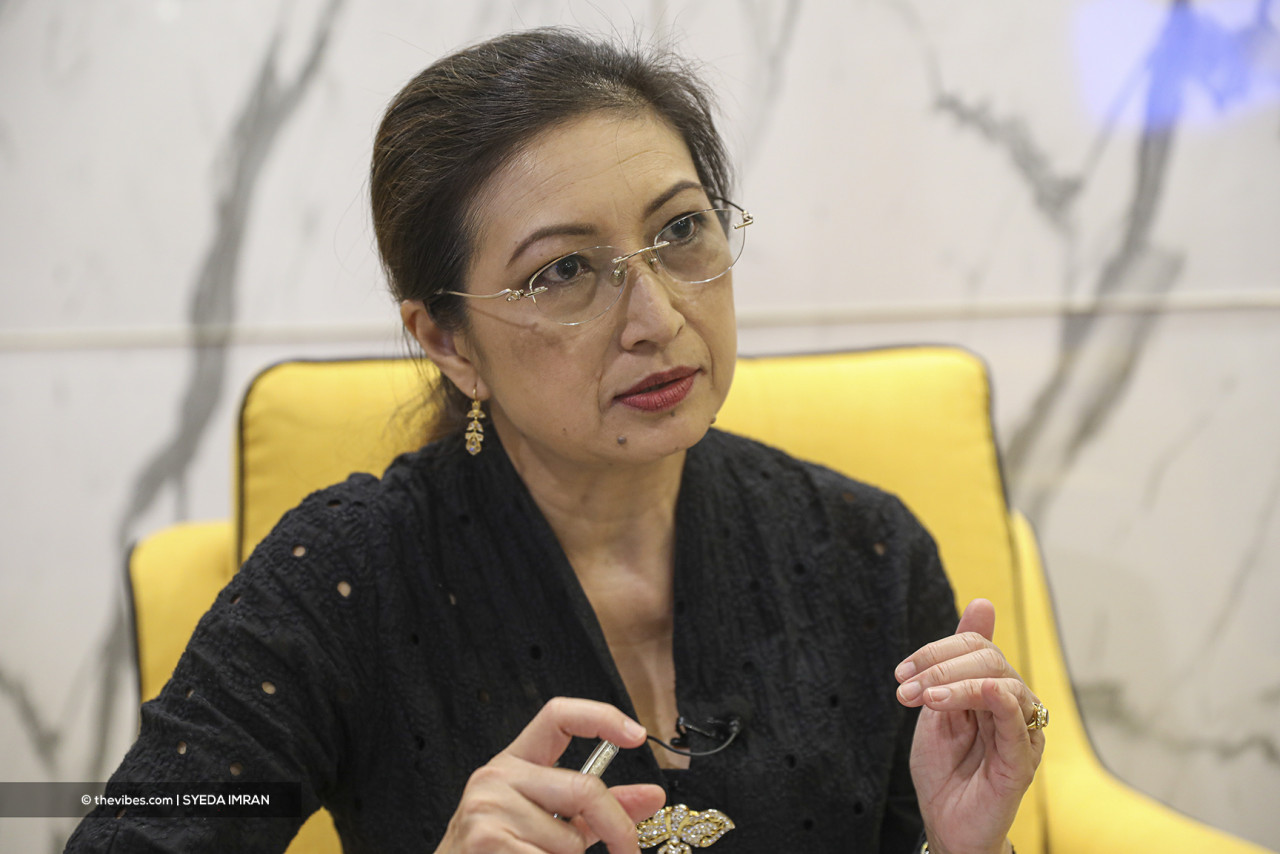
“The maximum dose that you can give at that point of the treatment is a certain calculated dose determined by the oncologist. You can’t give too high because then you will have side effects.
“As you may know, radiotherapy in layman's understanding is like burning the tissue around the cavity of the cancer. If the patient has recurrence, that breast cannot be radiated anymore,” added the breast surgeon.
She added that there are other ways to treat recurrence, such as chemotherapy or further targeted therapy, depending on the subtype of breast cancer, highlighting that “... the decision (for opted treatment) is made early on when a doctor sees a patient for the first time after diagnosis.”
“Patients must conduct biopsy,” stressed the doctor.
“There is still a lot of misunderstanding to this, and why I stress this is because the subtypes of breast cancer are able to tell you exactly which treatment a patient’s cancer will respond well to – even if it means scheduling treatments before surgery is done, where usually occurs when the cancer is the aggressive type."

In the breast cancer care journey, Azlina highlights that listening to patients’ concerns remains the top priority.
“This is to understand the circumstances patients are in because limitations can come in the form of finances or simply the availability of caregivers if we administer certain treatments,” she said.
“There’s a lot of counselling involved. So, an experienced breast surgeon is able to discuss and decide together with the radiation oncologist (who are usually involved in the customised treatment plans for patients based on their unique condition) on which is the most suitable therapy,” she added. – The Vibes, October 18, 2021