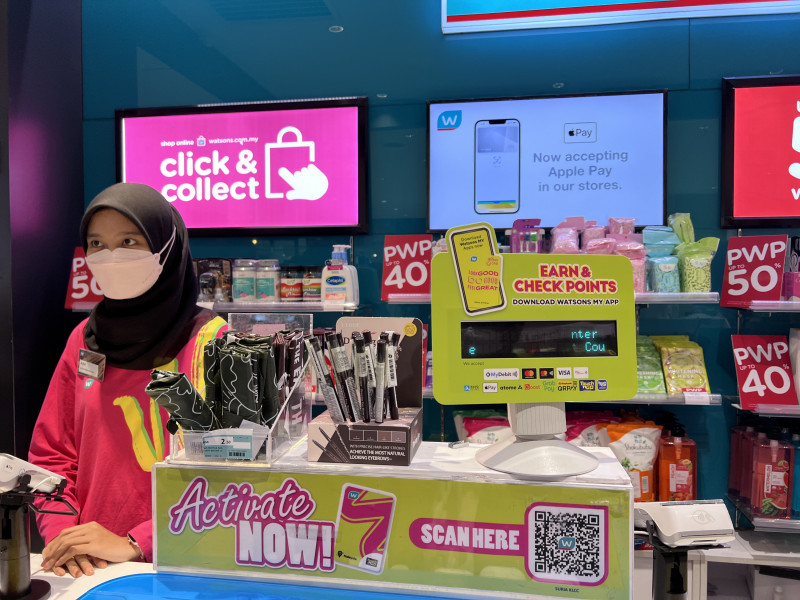

APPLE has finally launched its mobile payment system Apple Pay in Malaysia, allowing iPhone users – as well as Apple Watch, iPad and Mac users – to pay for just about everything in an easier and purportedly more secure way.
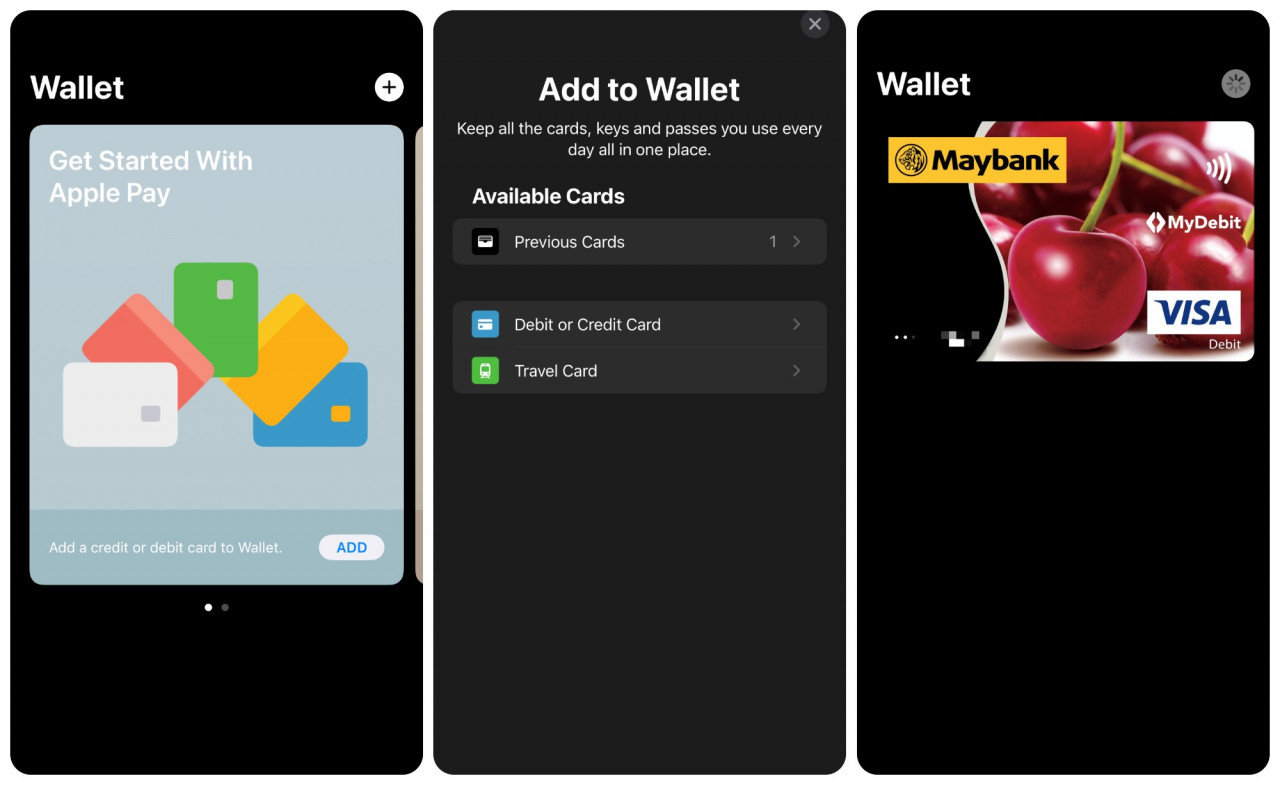
All it takes to activate Apple Pay on a phone is opening up the Wallet app on an iPhone, scanning your debit or credit card, and keying in a couple of codes on your phone. It’s all done in less than a minute.
Linking an Apple Watch is even quicker. Up to 16 cards can be stored on Apple Pay, with the first card registered serving as the default.
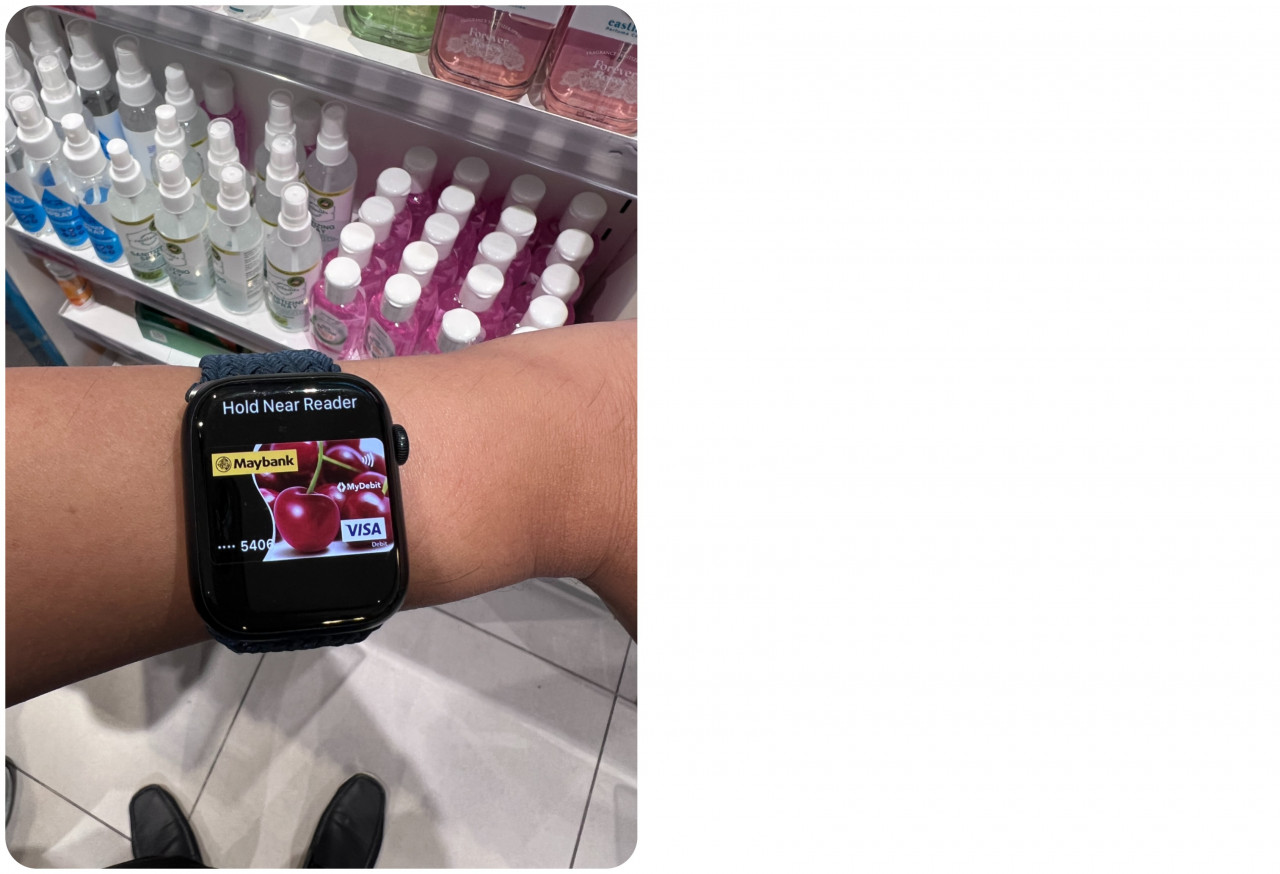
To use it, just double-click the button on the side of the iPhone or the side of the Apple Watch, so an image of the card pops up on the display, and just hold it a few inches above any card reader that you would normally wave your cards at.
Apple Pay uses NFC sensors on the devices, which means an Internet connection is not required.
Anecdotally, most retailers are not used to Apple Pay so they’re still expecting you to take your card out. Either way, the actual process feels quicker than using a card and there is some range so you don’t have to be tapping your phone or watch on card readers all there.
Personally, Apple Pay has been used at Starbucks, McDonalds, and Village Grocer.
The service can now be used in thousands of retailers across the country, with support from Maybank, AmBank, and Standard Chartered Bank as of now. More banks will be added in the future.
Of course, when it comes to a new service that deals with your hard earned money, security concerns are not too far from one’s mind, despite the increased convenience.
Every Apple Pay purchase is authenticated with Face ID, Touch ID, or a device passcode, as well as a one-time unique dynamic security code.
According to Apple, credit and debit card numbers are not stored on the devices or on Apple servers.
A unique Device Account Number is assigned, encrypted, and securely stored in the Secure Element on the user’s device, and each transaction is authorised with a one-time unique dynamic security code.
Transactions stay between the customer, the merchant or developer, and the bank or card issuer.
And in the worst-case scenario of a phone going missing, a user can use Find My iPhone to quickly locate, lock, or suspend payments from that device.
Worldwide, Apple Pay is available in over 60 countries and regions, and works with more than 10,000 bank and network partners. – The Vibes, August 10, 2022