.jpg)
ALONG the streets of Shanghai, Seoul or Tokyo, an increasing number of billboards featuring delicate looking men with dewy skin and a youthful, androgynous look, often advertising cosmetics or skin care products, plaster the walls.
Traditionally, women have been the face of beauty ads, primarily illustrating the ideal image of beauty through the ‘male gaze’ – beauty made for the eyes of men, instead of the consumption of women.
But as the waves of change sweep through every area of society, instead of being told what to buy to please men, women are now the ones being directly catered to buy the products; flipping the narrative of the ‘male gaze’ and empowering women.
However, does this flip work against men, by objectifying them?
When Estée Lauder announced on Weibo in 2019 that Chinese pop idol Li Xian would become the brand’s Asia-Pacific spokesperson, his female fans flooded the comment section with “My boyfriend is an official A-lister”, “On my way to buy products now to support my boyfriend”, “I can’t wait to try the same cream my boyfriend uses on my face!”
Admittingly, this may sound disturbing as female fans are referring to Li Xian as their imaginative boyfriend, almost forcing their ideals on his image.
But the idea of society encouraging and promoting men in beauty products still helps combat the patriarchal definition of being masculine.
Claire Li, a PR professional based in Shanghai explained that buying a beauty or cosmetic product recommended by her “ideal boyfriend” makes her feel her own sense of power.
“I feel like I am actively choosing to buy the brand and the product. It is not any brand telling me what to do.”
Instead of a society that emasculates men who promote these products, they are normalizing the relationship between men and beauty, showing the world that ‘being a man’ is not limited to looking tough and rough.
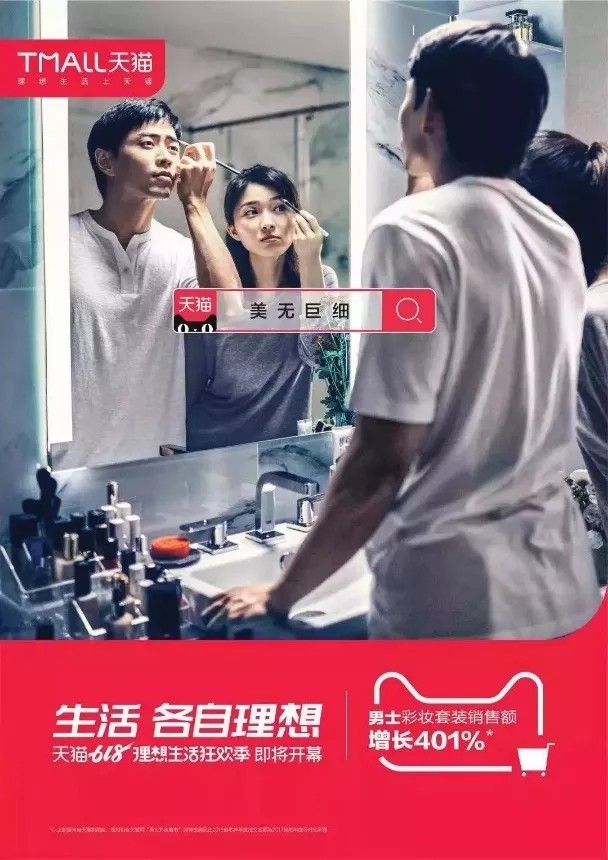
It also empowers women to shop for themselves instead of for the purpose of pleasing others.
The involvement of men promoting beauty and skin care products may seem like a new phenomenon, but this has been ongoing since at least the 1990s.
In 1990, when Japanese actor Takuya Kimura was featured for Kanebo lipsticks, sales tripled in two months.
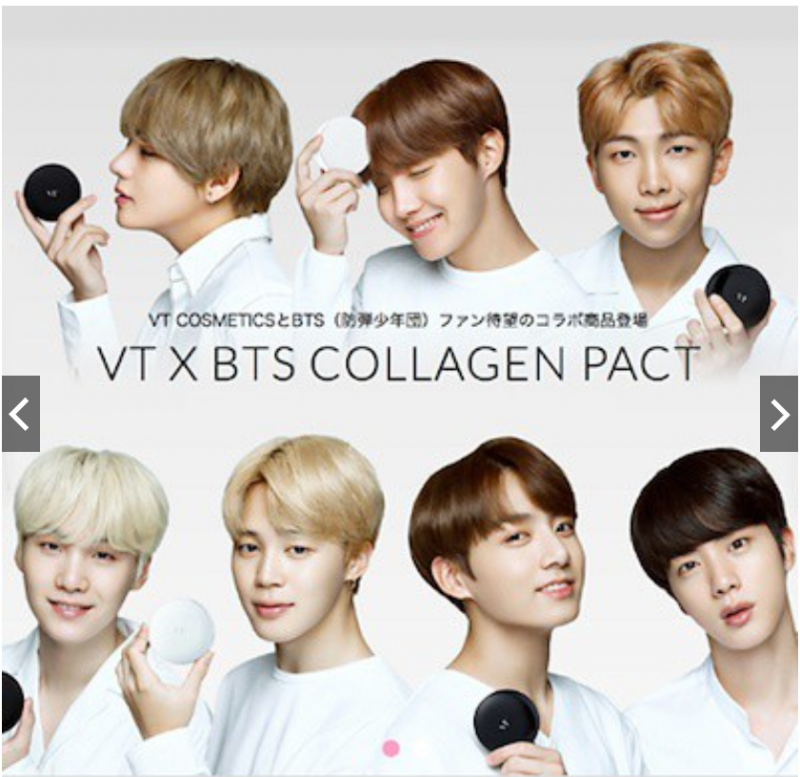
Popular Korean stars like actor, Lee Min Ho, and internationally known K-pop group BTS have also been long time faces for skin care and beauty companies like Innisfree and VT Cosmetics.
The idea of men and beauty has also transcended to Western culture.
When fashion designer Tom Ford’s namesake beauty brand launched a lipstick collection called "Lips & Boys" in 2014, it was sold out immediately.
There are even famous makeup artists like YouTuber and cosmetics entrepreneur Jeffree Star, YouTuber James Charles, media personality Bretman Rock and makeup artist Manny MUA, breaking the internet with their artistry.
Men have been part of the beauty and cosmetic scene for decades, and although this could just be an effort to harness sales, it indirectly reinforces and promotes the androgynous culture.
The increasing number of them in the mainstream market only proves that we are moving in the right track towards a society that promotes and supports equality, by breaking the conventional belief that beauty and skin care is only for women. – The Vibes, December 4, 2020