
IT is not often that people in Penang get to interact with a Nobel Peace Prize Laureate but that is exactly what happened recently at the Olive Tree Hotel in Bayan Baru.
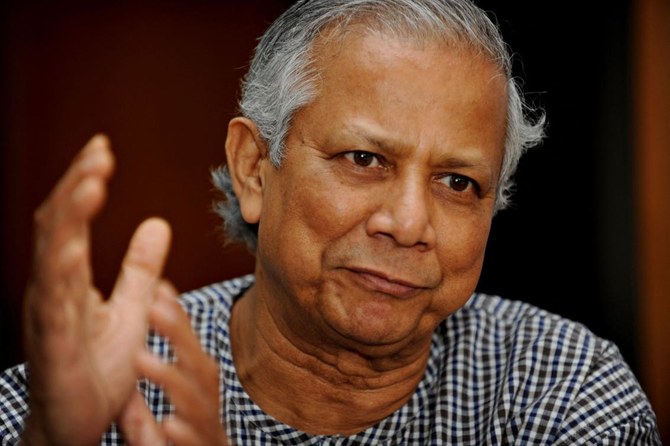
The father of the microcredit enterprise – Prof Muhammad Yunus from Bangladesh – stole the show as expected when he appeared on a teleconference screen for 45 minutes to captivate an invited audience of Penang-based social entrepreneurs.
His first reference point was enough to turn heads when Yunus spoke of the perils of relying on artificial intelligence in machines, saying it will cause social chaos soon if it is allowed to progress unhindered because it will steal quality jobs.
He called for a rethink of how humans want their lives to be in a world rocked by a pandemic, economic strife, war, extremism, famine and climate change.
As such factors swept through continents, it has caused widespread migration which has also altered the social landscape the world over.
"Humans will not longer be made to feel important as AI will do their jobs at lower costs and at machine-like efficiency with no human errors to boot."
He portrayed that change is needed in the global mindset that technology is all good, saying the reverse is happening as jobs are lost to automation and AI, while poor nations are unable to retrain workers fast enough to overcome this trend.
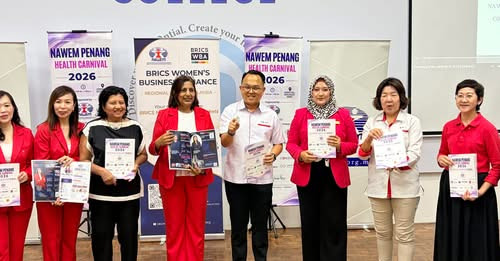
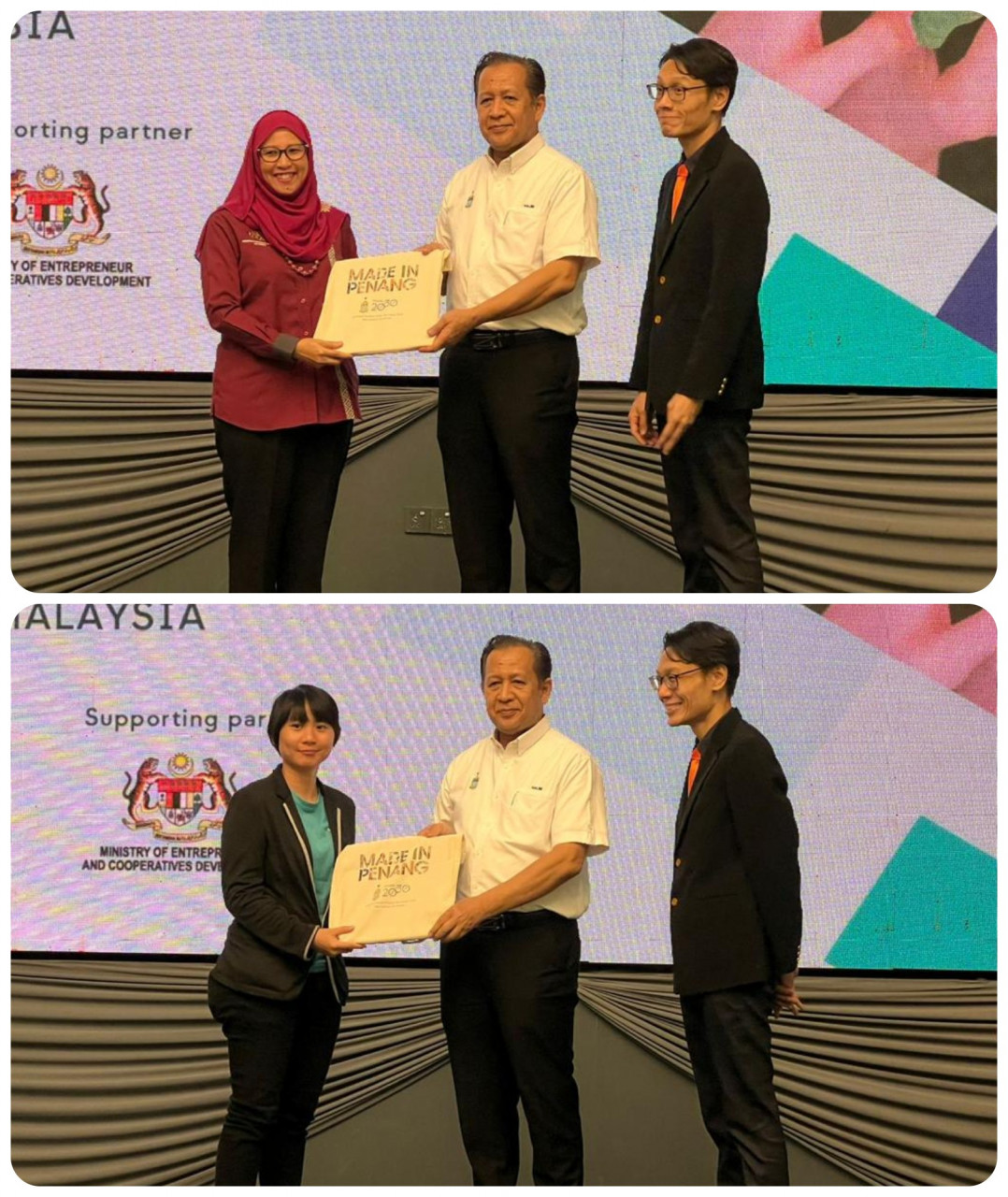
Present were Penang executive councillor Datuk Abdul Halim Hussein, Batu Uban assemblyman A. Kumeresan, Entrepreneur and Cooperatives Development Ministry undersecretary Datin Dr Syahira Hamidon and activist Jazz Tan Yee Mei.
Yunus was known in Bangaladesh, as a 'banker to the poor,' with his microcredit scheme, which has been replicated in Malaysia with the hope that it can help the poor to rapidly progress into the low middle income group (B40) level.
Microcredit loans can help them escape poverty by providing small scale loans on terms suitable to them and by teaching them sound financial principles so they could help themselves to grow their income through social enterprises ventures.
His personal loan of small amounts of money to destitute basketweavers in the mid-70s through the Grameen Bank – which he founded – has advanced to the forefront of a burgeoning world movement on eradicating poverty through microlending.
The model is now in over 100 countries, and it is no surprise why he won the Nobel Peace Prize in 2006.
He told Malaysians that the only way out of the current economic uncertainty was to become social entrepreneurs themselves and to stop thinking of landing a lucrative job which will sustain them for life, as such prospects are now scarce.
"Good paying jobs are hard to come by as the world shifts toward cheaper labour elsewhere or rely on AI where the costs over the long-term is also cheaper."
To create good jobs, there must be a rise of social entrepreneurship where the luxury of becoming one's own boss is the clarion call for change, said Yunus.
To become social entrepreneurs, Yunus also advocated on his three zeros principles.
He said that the world must adopt a practise of zero poverty; zero unemployment; and zero carbon emissions.
"Only then would the world have a sustainable development. Any other plan will not work," Yunus said in a thundering pitch to his audience.
To achieve his plan, Yunus urged Malaysians to harness the energy and creativity of the youth; to transform businesses into social entreprises where maximum profits is not the ultimate goal but sustainability is, and for governments to govern well.
As he spoke, the content seemed to resonate with the audience, as his goals are similar to the ones which Malaysia is trying to adopt, said Abdul Halim.
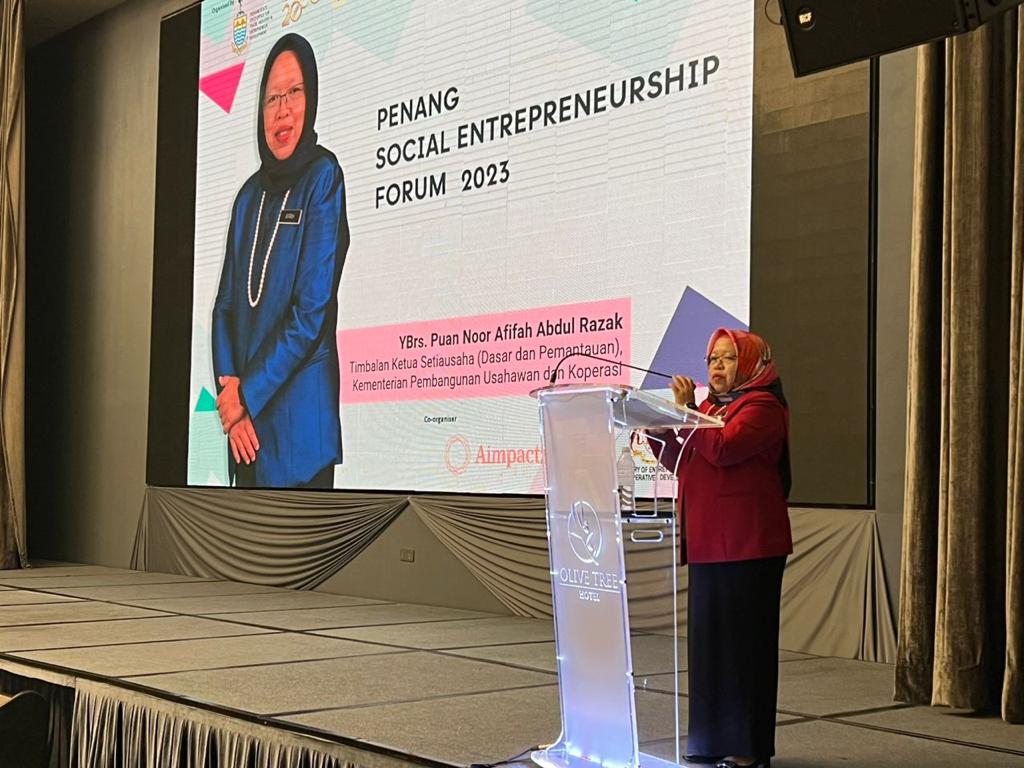
The ministry's deputy secretary-general (policy & monitoring) Noor Afifah Abdul Razak spoke that there is a growing interest among Malaysians in social entrepreneurship and its contribution towards the community, environment and nation-building.
Social entreprise is defined here as a business venture that creates positive social and environmental impact on society and importantly, it is financially sound.
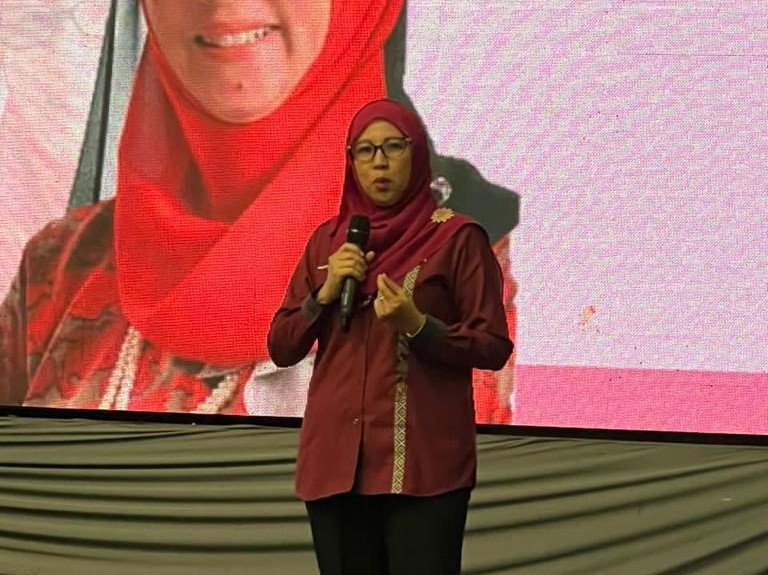
According to Nor Afifah, there are many social enterprises that have been actively delivering social values and addressing social and environmental issues .
She said the closest link to social entreprises here are community-driven enterprises and co-operatives from the rural settings.
To accredit social entrepreneurship, the ministry is now accepting applications from small medium businesses, co-operatives and organisations to be certified as a social enterprise.
This accreditation helps to establish the credibility and legitimacy of social enterprises.
It also serves as a mark of quality and provides assurance to stakeholders, such as customers, investors, and partners, that the social enterprise is operating in a socially responsible and sustainable manner.
Reciprocally, the ministry is delighted to inform that the Finance MInistry has agreed to approve income tax exemption for Accredited Social Enterprises under subsection 127(3A) of the Income Tax Act 1967.
The national unity government under Budget 2023 recently announced various incentives that can be enjoyed by social enterprises through agencies under Kuskop, such as Social Enterprise Financing Schemes and Skim Juara Lestari from SME Bank with a fund size of RM21 million, as well as entrepreneurship training and guidance programme by Institut Keusahawanan Negara (INSKEN).
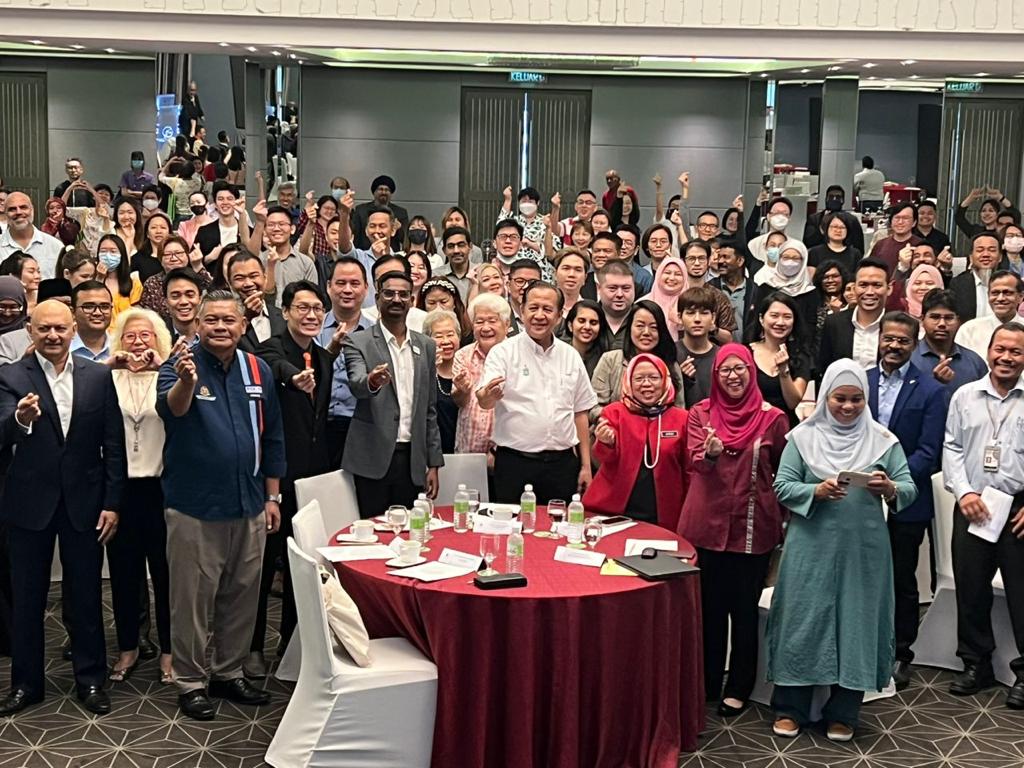
Abdul Halim pointed out that Penang can once again lead the nation in economic terms by embracing social entrepreneurship.
"Social entrepreneurship is about creating businesses that not only generate profits but also address social and environmental challenges. It's about using business as a tool to make a positive impact on society and the environment. It is about Penang leading the way, yet again, on how entrepreneurship can be done rewardingly, responsibly and socially," he said.
Penang has a history of robust civil society and many creative homegrown talents.
Penang's multinational corporations are willing to work with social entrepreneurs to achieve their environmental, sustainability and governance goals.
These factors make Penang a potential hub for social entrepreneurship, he added.
Abdul Halim concurred with Yunus that in the present vacuum in the limitations in creating quality jobs, the onus is on the young to become social entrepreneurs and through it, to provide solutions to the challenges gripping society now.
"There is not one day that we do not hear about climate change, Covid-19 and the economic downturn, living costs and recession. If we have alert entrepreneurs, such obtacles can turn into opportunities," he said. – The Vibes, March 22, 2023.




.jpeg)