A LIFE-threatening emergency means that every minute spent attending to a victim is crucial to increasing their chances of survival, and reducing the risk of after-effects.
And a defibrillator is one of the three things that can make all the difference in saving a life. However, a new study by UK-based researchers reveals that these electrical devices are used for only 10% of out-of-hospital cardiac arrests.
Calling for help from the emergency services, performing CPR and using a defibrillator are the three priority actions to take – whenever possible – when someone goes into cardiac arrest.
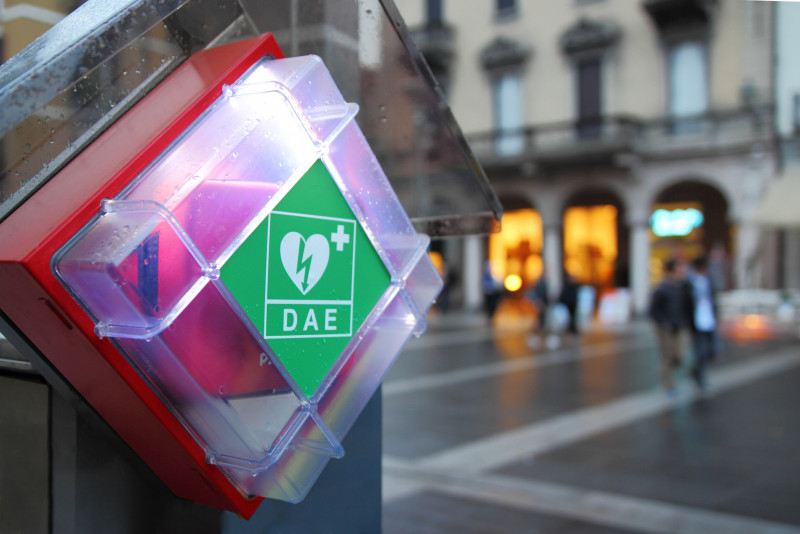
These basic gestures, performed while waiting for help, can save lives, and the deployment of defibrillators in many countries is designed to help prevent sudden death from cardiac arrest.
However, a team of researchers from Essex Cardiothoracic Centre (CTC) and Anglia Ruskin University (ARU) have revealed that defibrillators are used in only one in 10 out-of-hospital cardiac arrests, where they are available... in the East of England, at least.
Raising awareness and promoting first-aid training
Presented at the British Cardiovascular Society Conference, which runs until June 7 in Manchester, the study is based on data from the East of England Ambulance Service and The Circuit, the national defibrillator network set up by the British Heart Foundation (BHF).
Once this data was acquired, the researchers determined the density of defibrillators in each geographical area, the number of cardiac arrests, and the frequency of use of said defibrillators between April and September 2022.
And the verdict is clear. While 1,649 cardiac arrests occurred in the East of England during the given period, and defibrillators were available within 500 metres in 79% of cases, only 10% were used to improve the victim's chances of survival.
In view of these results, the researchers reiterate the importance of raising public awareness about the use of defibrillators, and of promoting training in first aid procedures.
"Our study highlights strikingly low numbers of publicly available defibrillators being used in the event of a cardiac arrest in the east of England area, which suggests that much more needs to be done to promote awareness and education around CPR and defibrillation.
"It is also concerning to see far fewer defibrillators in the most deprived areas – such a finding should prompt further discussion about more consistent and effective placement of defibrillators in communities," explains Dr Thomas Keeble, consultant cardiologist at Essex CTC, quoted in a news release.
Fewer defibrillators in more deprived areas
Indeed, a second, and by no means insignificant, study finding reports fewer defibrillators in more deprived areas, compared to the most affluent.
For example, Luton, the most deprived town in the geographical area studied, has 16 defibrillators per 100,000 inhabitants, compared with 72 for the East of England average.
"Prompt CPR and defibrillation from bystanders can be the difference between life and death, so it is concerning to see low rates of defibrillator use.
"There are many known reasons for the low use of defibrillators, including not having enough bystanders available at the scene of an emergency, difficulty in accessing a defibrillator at the time when it is needed, or fear of it using it.
"More needs to be done to encourage people to use these life-saving devices when they are available," says Judy O’Sullivan of the British Heart Foundation.
While it is impossible to apply these data-based findings to other parts of the world, it is clear that the presence of defibrillators increases the rate of survival from cardiac arrest, especially if the population concerned is trained in first aid.
Such is the case in Seattle and King County, Washington State, USA, which are leaders in the field, with cardiac arrest survival rates reaching 62% in 2013 – and equally high rates of cardiopulmonary resuscitation training for local residents. – ETX Daily Up, June 7, 2023