CULTURED meat, also known as lab-grown meat, has been green-lit for sale in the United States. In June 2023, Good Meat and Upside Foods became the first-ever companies allowed to sell their cultured meat products on the American market.
This innovative technology entails growing animal cells in a lab without raising and slaughtering animals, purporting to offer a more sustainable and ethical meat production method.
The first nation to approve this product for sale was Singapore back in 2020.
Singapore pioneered legalising cultured meat to boost its food supply. With 90% of its food imported due to limited land, cell-based technology offers the potential to increase domestic food production without the need for agricultural land.
Other Asian countries are considering following Singapore's lead in adopting cultured meat technology to address similar challenges.
Despite this, an Asian perspective within the cultured meat industry is lacking.
In 2022, only one-fifth of the 156 active companies were based in Asia, with the majority – 61% – in North America and Europe.
As a result, most cultured meat companies cater to Western diets: classic American burgers, chicken Caesar salads, and French charcuterie boards are flaunted on the websites of the top industry players.
It's unlikely these products will appeal in Asia like they do in North America and Europe.
The industry's focus on the West extends to consumer research.
While extensive studies have explored North American and European perceptions of cultured meat, the Asian market remains underexplored and questions like 'Which cultured products would align with Asian diets?', 'What are Asian concerns about this new technology?' and 'How do we spike interest in this region?' aren’t adequately answered.
Of course, culturally universal psychological factors are at play.
Disgust and food neophobia – the tendency to reject new foods – are innate to all humans and the main drivers of consumers' worldwide scepticism towards cultured meat.
On the other hand, educating the public about the promised societal and environmental benefits can boost acceptance, as concluded by studies from across the globe.
However, considering culture-specific factors is crucial.
Asian companies and consumer researchers could address these issues to effectively promote cell-based technology on their continent:
- Fish balls, not burgers
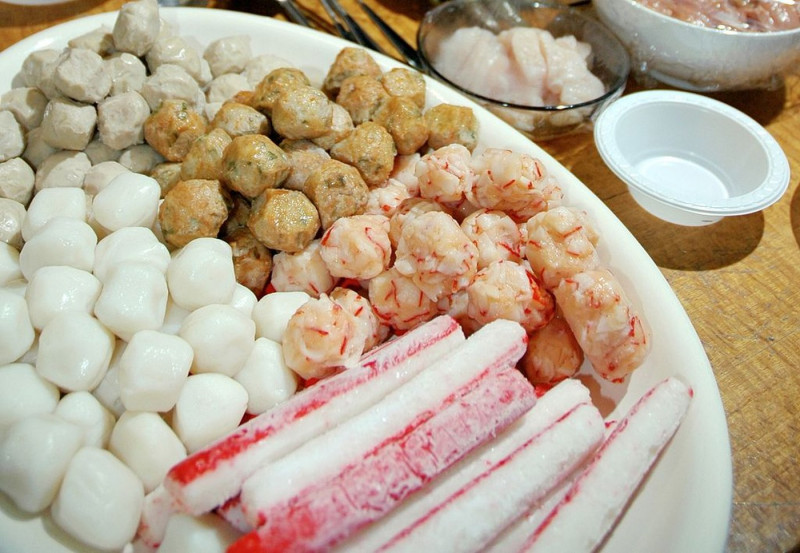
Even though burger patties are the flagship product of many meat alternative (including cultured meat) companies, the Asian sector will need to think locally. In Southeast Asia for instance, familiar foods like fish balls, dumplings, or satay, that can be cooked in curries, noodle soups or rice-based dishes are likely to be more in demand. More companies and researchers need to consider regional culinary preferences across Asia.
- Lost in translation
'Cultivated meat' (instead of 'lab-grown' for instance) has established itself as the most widely accepted terminology in the West, translating well into European languages. However, difficulties arise in Asia. In Mandarin and Japanese for example, 'clean', 'pure', or 'synthetic meat' are commonly used terms. It is yet to be seen which nomenclature will prevail in different parts of Asia.
- Halal or not?
Asian religious beliefs can interfere with perceptions of cultured meat. For Hindus, extracting animal cells may conflict with nonviolence principles, while Muslims may question the meat's halal status. To address these issues, specific regulations and certifications for cultured meat will need to be created. - Meat motivations
Company slogans like "a greener and kinder way of making meat" are used to convince Western consumers of the technology's environmental and animal welfare benefits. However, motivations in Asia may differ. Singapore, for example, commercialised cultured meat to strengthen its self-sufficiency and position as 'technology trailblazer'. In China, food's health benefits are prioritised, and consumers may embrace cultured meat if it is nutritionally superior to conventional meat. Strategies to win over Asian consumers need to be explored.
It's time to put the 'culture' in 'cultured meat'. Increasing the acceptance of this technology cannot succeed with a one-size-fits-all approach.
Instead, industry and consumer science must strive to examine the topic from diverse cultural lenses. – The Vibes, August 5, 2023
Bianca Wassmann is a researcher at the Urban Microalgae-Based Protein Production project at the Singapore-ETH Centre (SEC) and ETH Zurich. The project’s research is supported by the National Research Foundation Singapore (NRF) under its Campus for Research Excellence and Technological Enterprise (CREATE) programme. Her work examines consumers' acceptance of alternative proteins like plant-based meat substitutes, insects, microalgae, and cultured meat.
Published under Creative Commons and in partnership with 360info