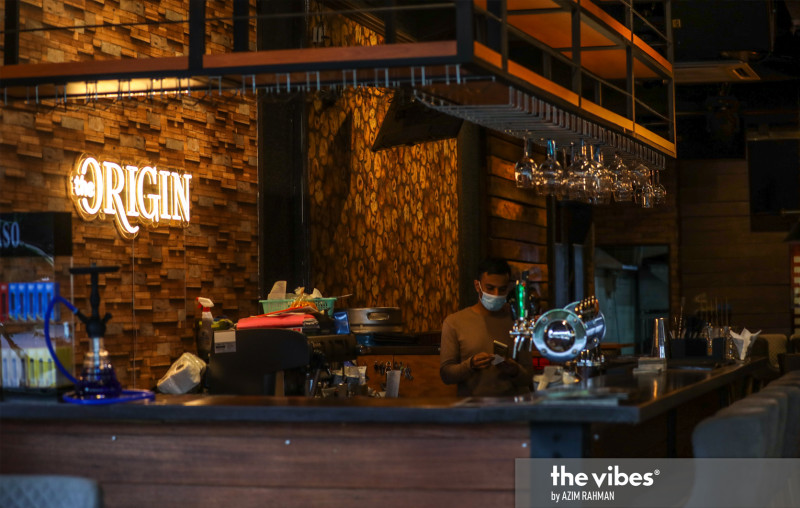
BUSINESS has not picked up for pubs and nightclubs three years after the end of the Covid-19 pandemic.
It was reported in 2020 that nearly 20% of Kuala Lumpur’s nightclubs shut down during the first lockdown.
At the time, there were about 6,600 entertainment outlets in Malaysia, 3,300 of them nightclubs with bars. They reported a RM500 million loss in the first 60 days of the lockdown.
Three years on, business has not returned to pre-pandemic levels.
Klang Valley Pub, Night Club, and Bar Association pro-tem committee chairman Benny Bedi said while the economy is bad, the government and its agencies are not making life easier for club owners.
He said bureaucracy was preventing industry players from moving ahead with new business plans.
“Now if you want to open an entertainment bar you need a development order (DO) to get a licence. You do everything the City Hall asked for, architecture plan and whatnot, but when you submit your proposal, they will reject it and ask for a new one.
"A friend of mine waited for nine months for a DO, when the building itself has its own DO. I don’t understand why these government agencies are making things difficult for us. I have been in the business for more than 20 years and I don’t see the necessity for a DO plan for an entertainment pub or even a bar.
“Covid-19 and the pandemic were already bad, but life post-pandemic is even harder. Many pubs, bars, and nightclubs closed during the MCO, and now things are not improving,” said Benny.
A 2021 news report said that from March to June the same year,1,037 entertainment centres such as pubs, nightclubs, and bars in Kuala Lumpur, Selangor, Penang, and Johor closed for good.
The government agreed to lift the ban on entertainment outlets in May 2022, as most entertainment centres such as karaoke, pubs, and nightclubs had been closed since the start of the first MCO in 2020.
Jeremy Lim of the Restaurant and Bistro Owners Association said businesses are closing down while the economy continues to lag.
He said the high cost of living and weak purchasing power of consumers have affected the business.
“It is not good for us in this industry. We all thought the pandemic was bad, but presently, things are getting tougher. Consumers have no spending power, their wallets are shrinking with the high cost of living. The Ringgit is depreciating and imports are increasing. So things are expensive.
"People question why we need to import; that's because our fundamentals are not stable,” said Lim.
He added that many industry players are holding on to their businesses with the hope that the government might intervene.
“Many are hoping for a better day. In this industry, the support from the government is not significant; it is rare that we get the backing from the government," he said.
“It is a challenging situation for many of us and this is certainly not a quick-fix issue,” Lim added. – July 30, 2024.











.jpeg)