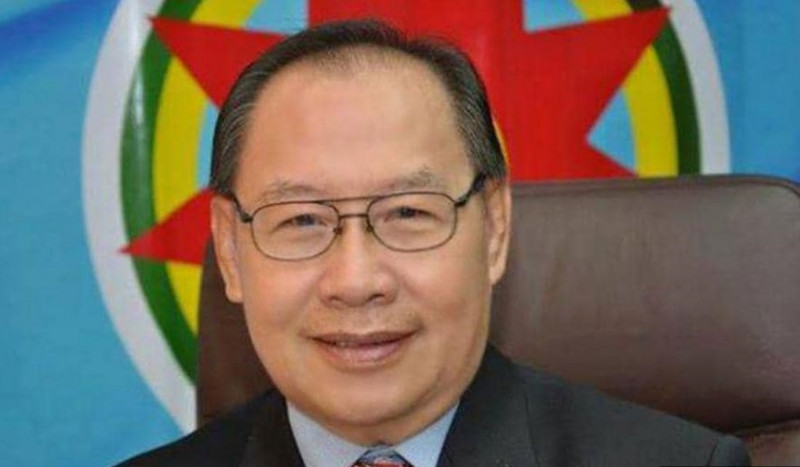
SABAH deputy chief minister Datuk Seri Jeffrey Kitingan has criticised the "excruciatingly slow" implementation of the Malaysia Agreement 1963 (MA63), despite the resolution of 11 key issues concerning the rights of the Borneo states.
Kitingan, a long-time advocate for Sabah rights, expressed frustration over what he described as a persistent lack of political will at both the federal and state levels.
“Despite the prime minister’s pledge for swift action, significant delays persist due to a lack of political will and the structural challenges within the Federal Government.
He said the state also shares the blame for the slow progress on the state rights matter.
"Since the formation of Malaysia, successive state governments, regardless of party, have often deferred to federal interests, leaving crucial issues unresolved."
Kitingan also raised concerns about the so-called "deep state," referring to the entrenched power of civil servants, which he believes is further hindering the implementation of MA63.
He said the civil servants hold more sway than ministers, which makes progress on the matter even harder.
A key sticking point is Sabah's 40% revenue entitlement, he said.
Under Article 112C and Part IV of the Tenth Schedule of the Federal Constitution, Sabah is entitled to 40% of the revenue collected by Putrajaya from the state — a commitment Kitingan says the federal government continues to ignore.
"They know the figures, but they refuse to allocate our rightful portion.
“Some argue that restoring this revenue share would strain Malaysia’s finances, which speaks volumes about how much revenue is taken from Sabah.
“Are we supporting the nation while receiving only crumbs in return?" Kitingan asked.
In addition to the 40% entitlement, he pointed to other financial obligations that remain unfulfilled, including the 10% export duties on petroleum and the 10% import duties on petroleum products.
He said these rights are enshrined in the Constitution and ignoring them is a breach of the federal government’s constitutional duties.
Kitingan also highlighted the unequal representation in Parliament, with Malaya currently holding more than two-thirds of the seats.
He warned that this imbalance allows for constitutional amendments that could marginalise Sabah and Sarawak, even in cases where the two states strongly oppose such changes.
"Increasing Bornean representation to 35% is crucial to prevent unchecked power from altering the Constitution at our expense," he said
He also questioned whether MPs from Malayan-based parties could truly champion Borneo’s rights.
"Can we trust that they will defend our interests, or will they simply follow the party line?" he asked. – September 30, 2024





.jpeg)