THE Galen Centre for Health and Social Policy has called on the Madani Government to make reforms and increase investments in four critical areas.
In a statement, it said these areas were in healthcare financing; dialysis care; dermatology, and access to innovative medicines.
"We know what changes are needed, how much money is available, and potential solutions to address issues such as recruitment and retention of healthcare workers, modernisation of key medical infrastructure, and strengthening health security," said Galen Centre for Health and Social Policy Chief Executive Officer, Azrul Mohd Khalib.
He said the Government should remove the RM1 and RM5 charges for outpatient and specialist care respectively in Ministry of Health (MOH) facilities.
"People should not need to pay anything at the point of accessing care. These charges also keep alive the fiction that the cost of healthcare in Malaysia is cheaper in government facilities and mislead the public.
"Removing these charges will open the way to meaningful discussion and serious consideration of future reforms in healthcare financing," he said.
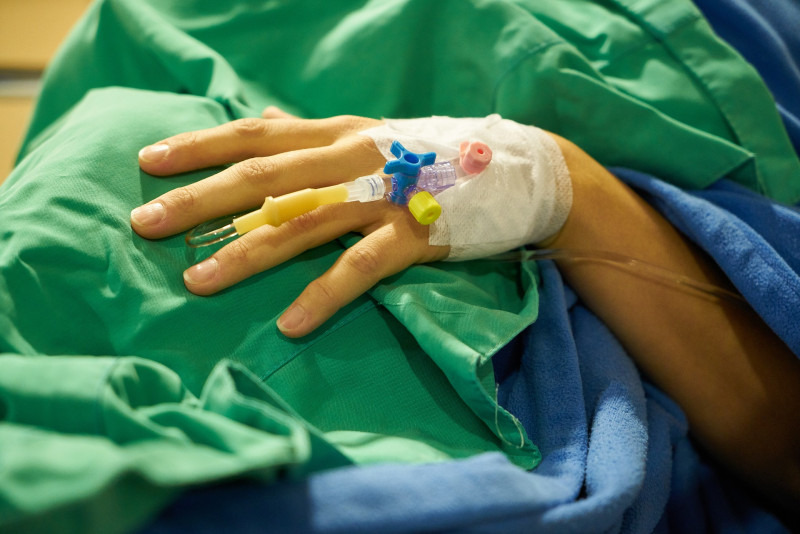
On dialysis care, Azrul said each year, more than 10,000 people are newly diagnosed with kidney failure and needing dialysis, and this annual number is steadily increasing.
"As the number of people with diabetes increases, MOH has projected that more than 106,000 Malaysians could be on dialysis by 2040. Most will likely be on haemodialysis. However, automated peritoneal dialysis (APD) should be prioritised and supported, both in the public and private sectors.
"We recommend that the Government introduce tax rebates for private dialysis centres to switch their patients to peritoneal dialysis as a form of financial incentive and encouragement, and to support the National PD First policy," he said.
He also recommended the Government increase the medicines allocation for the dermatology services.
"Many dermatology patients depend on this essential service to improve their quality of life, address stigma and discrimination, and reduce pain and suffering due to their condition."
On access to innovative medicines, Azrul said the annual drug budgets in public hospitals (under both Ministry of Health and Ministry of Higher Education) struggle to sufficiently accommodate innovative therapies despite their increasingly critical role in treatment.
"Providing efficacious and safe immunotherapy or biologic agents to patients is a challenge under existing budgetary limitations and priorities," Azrul pointed out.
"We recommend that the Government allocate and earmark 5% of annual revenue from excise duties imposed on the sale of tobacco, vape, e-cigarettes, and alcohol products (estimated to be more than RM5.5 billion per annum) to provide funding of an estimated RM 290 million annually for the procurement of innovative medicines.
"This will be a focused, sustainable and targeted fund to ensure the availability of lifesaving therapies for those who need it. This move will save lives and prolong life," he added.- October 11, 2024