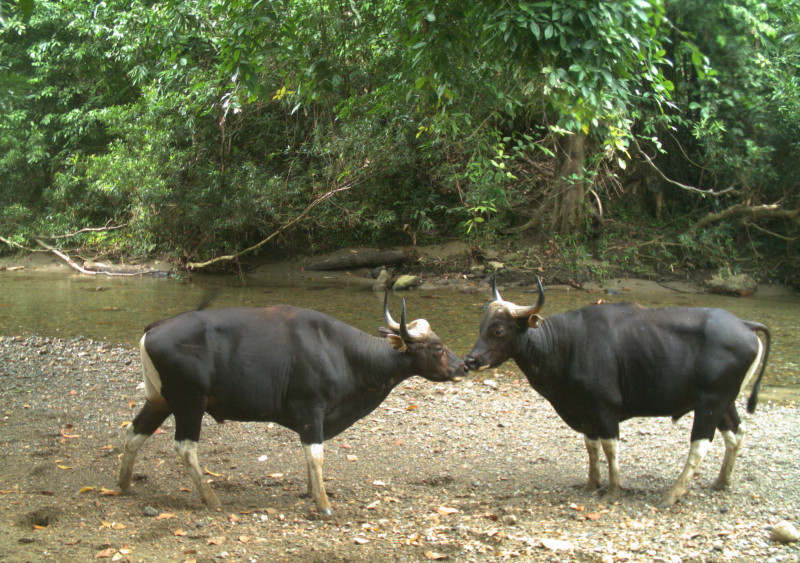

THE population of the Bornean banteng (Bos javanicus lowi) has sharply declined, with only about 500 remaining in Sabah.
It is now considered the most endangered large mammal in the state, with populations scattered across four areas: Paitan-Sugut, Kulamba-Tabin, the central forest, and Sipitang.
Sabah Wildlife Department Director Roland Niun said several key actions have been implemented to prevent the extinction of the species.
“These include strengthening enforcement, establishing habitat connectivity, developing pastures near banteng home ranges, and setting up a captive breeding program,” he said in a statement.
Efforts to protect the local banteng species come in response to its reclassification as Critically Endangered on the IUCN Red List of Threatened Species, from its previous status of Endangered.
Over the past 21 years, the species has seen a global population decline of more than 80%, driven primarily by illegal hunting, poaching for meat and horns, by-catch in traps, and widespread habitat degradation.
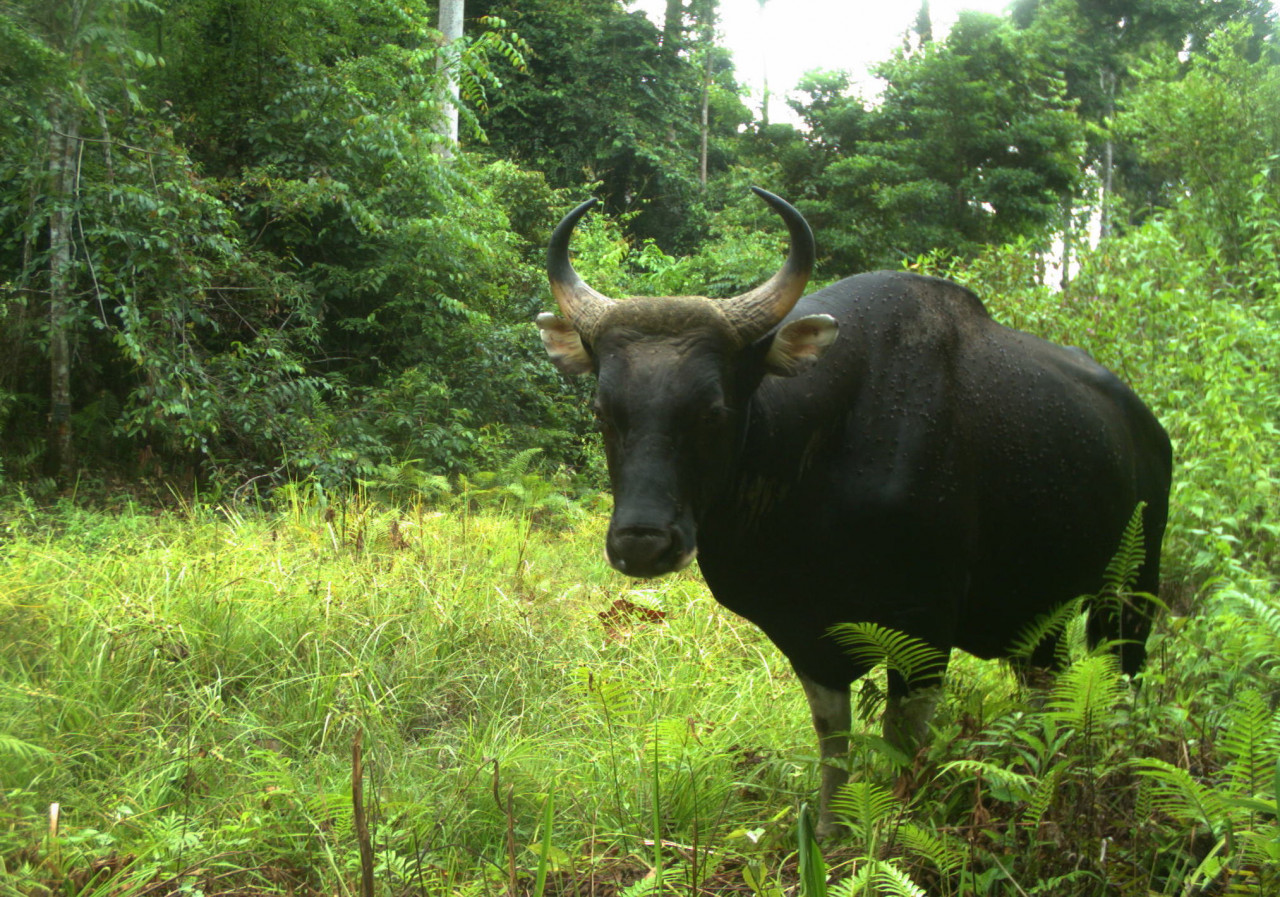
It is estimated that around 3,300 bantengs remain globally.
In Sabah, the protection of the species is guided by the Bornean Banteng Action Plan for Sabah 2019-2028.
The captive breeding programme is still in its early stages, while pasture development is underway by BORA (Bringing Back Our Rare Animals) in the Tabin Wildlife Reserve.
Enforcement efforts have also been intensified through collaboration between the Sabah Wildlife and Forestry Departments.
The Sabah Forestry Department has established the PROTECT Special Enforcement Team, supported by WWF-Malaysia and Danau Girang Field Centre (DGFC), with funding from the Sime Darby Foundation.
The Sabah Wildlife Department (SWD) has also partnered with DGFC to enhance enforcement and forensic capabilities.
An intelligence unit and forensic lab have been established, with funding support from the United States. – October 30, 2024