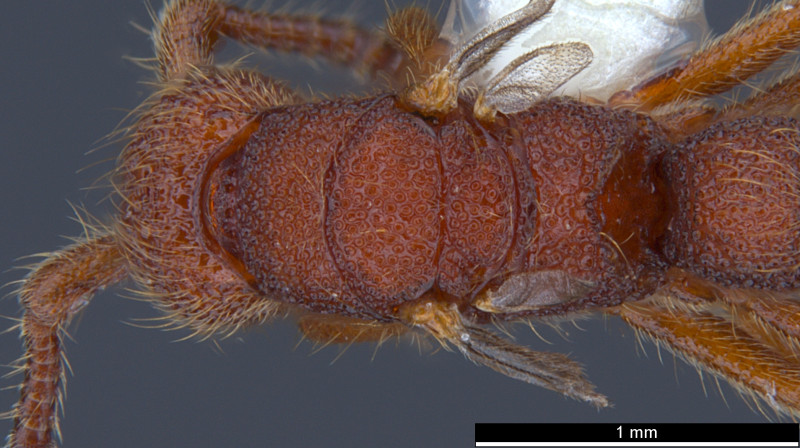

A NEWLY discovered ant species from the genus Syscia has been named Syscia yekzoeae in honour of Dr. Yek Sze Huei, a senior lecturer at the Institute of Tropical Biology and Conservation (ITBC), Universiti Malaysia Sabah (UMS).
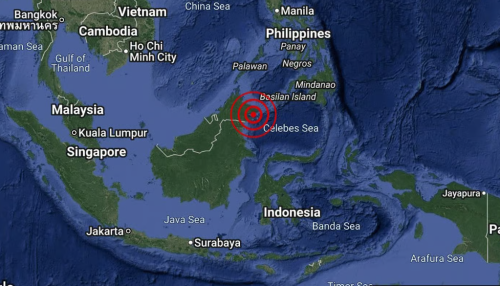
The species was identified during a 2023 fieldwork expedition at the Kawang Forest Reserve in Papar, Sabah.
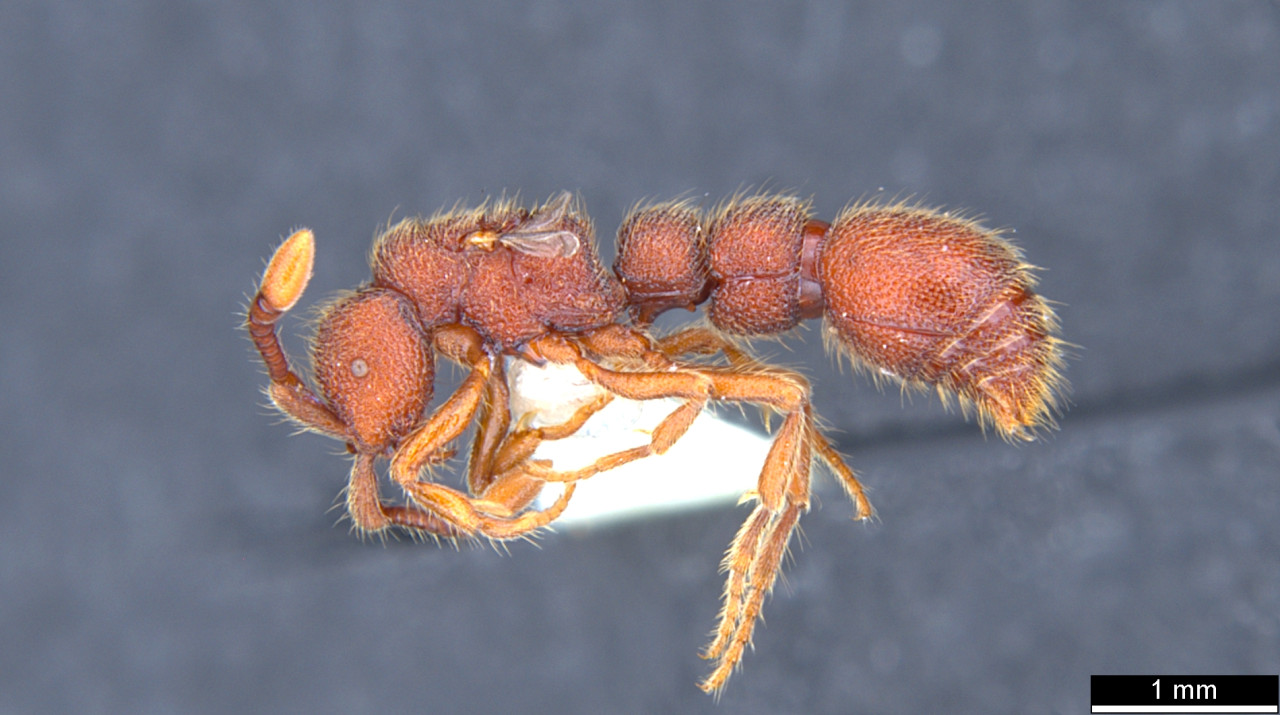
Lateral view of the Queen of S. yekzoeae
Colonies of Syscia yekzoeae inhabit rotting wood and soil. Notably, the species is an obligate predator of other ants, and its queens are flightless, possessing small, non-functioning wing buds whose purpose remains unknown.
The discovery, alongside two other ant species, Syscia sabahna and Ooceraea magna, has been published in the December 2024 issue of the journal Asian Myrmecology. Both additional species were found in Sabah’s Crocker Range.

Male of S. yekzoeae
Syscia sabahna is more widespread, with sightings in Poring, Tambuyukon in Kinabalu Park, and Tawau Hills Park. Like Syscia yekzoeae, it also resides in rotting wood and soil.
Dr. Yek and her team, who have continued ITBC’s long-standing focus on ant biodiversity since its founding in 1996, believe that Sabah’s ant diversity is far from fully understood.
They anticipate that ongoing research will lead to the discovery of even more new species.
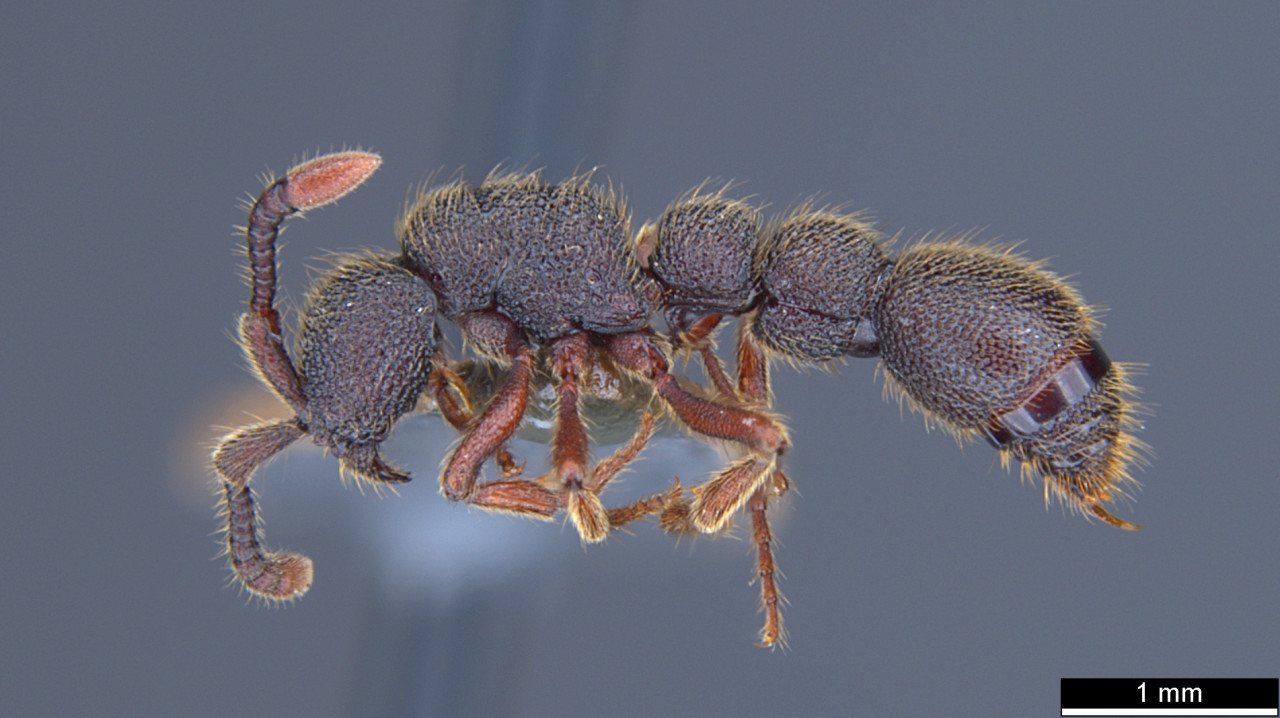
Worker of S. yekzoeae
The study was a collaborative effort involving taxonomic analysis by Professor Emeritus Seiki Yamane of Kagoshima University, Japan, and laboratory observations and specimen photography by researcher Riou Mizuno from the Okinawa Institute of Science and Technology, Japan.
The findings are detailed and can be viewed at http://www.asian-myrmecology.org/doi/10.20362/am.017004.html. - December, 23, 2024