MALAYSIA'S progress in developing artificial intelligence (AI) data centres may encounter hurdles following recent US restrictions on the export of AI chips, according to Deputy Minister of Investment, Trade and Industry, Liew Chin Tong.
While acknowledging the potential challenges, Liew assured that these restrictions would not significantly impact the overall growth of the domestic data centre ecosystem.
In a statement today, Liew explained that Malaysia, along with other Southeast Asian nations such as Singapore, Indonesia, and Vietnam, has been classified under the US's Tier 2 category.
This classification restricts access to advanced AI technology, limiting these countries to controlled and limited access to exports of cutting-edge AI chips.
Despite this limitation, Liew emphasized that the development of other types of data centres in Malaysia, such as those supporting e-commerce, transactions, and data storage, would not be affected.
These centres typically do not rely on advanced AI technology or AI chips, Liew said.
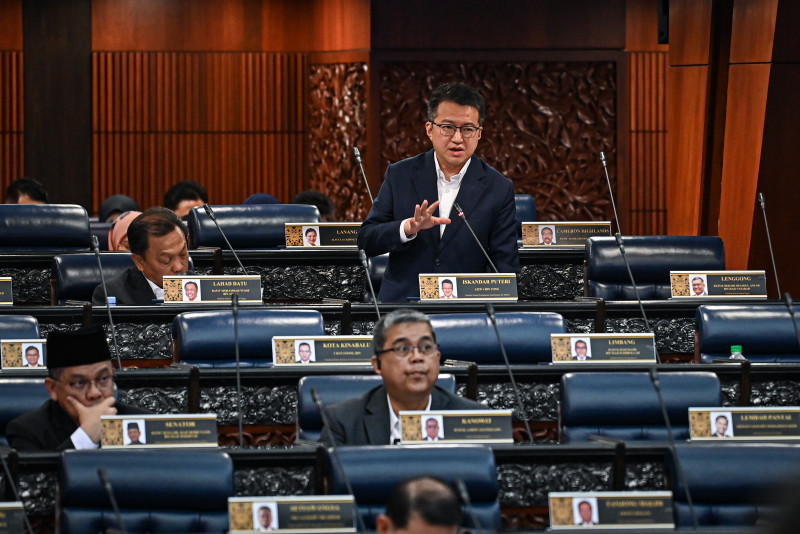
Liew said this in reply to a question raised in the Dewan Rakyat by Pang Hok Liong (PH-Labis), who asked about the implications of Malaysia’s new position as a regional data centre hub following the US’s decision to place the country in the Tier 2 category for AI chip exports.
The deputy minister highlighted that while the restrictions would affect AI-specific infrastructure, Malaysia’s broader data centre industry would continue to thrive, given its focus on non-AI related services.
In his address, Liew also shared plans for Malaysia to diversify its semiconductor market access.
The government is working to expand trade opportunities for semiconductor products to regions such as ASEAN, the Middle East, and South America, thus mitigating any potential disruptions caused by the US restrictions.
While the US export restrictions mark a challenge for Malaysia’s ambitions in AI data centre development, the country’s strategic efforts to open new markets and continue developing non-AI data infrastructure indicate a measured approach to overcoming these obstacles. – February 19, 2025