MALAYSIA is on track to achieve 43% of its Sustainable Development Goals (SDGs) by 2030, based on the latest analysis of 2022 data.
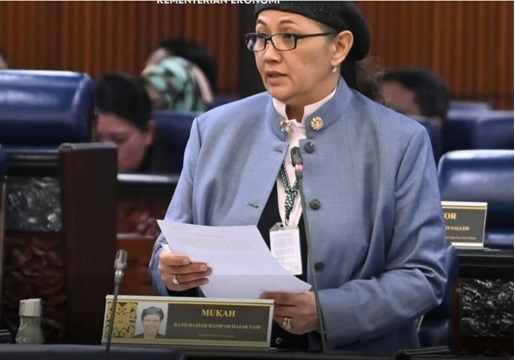
This projection significantly surpasses the global average of just 17%, according to Deputy Economy Minister Datuk Hanifah Hajar Taib.
Hanifah highlighted in the Dewan Rakyat today, that 12 out of the 17 SDGs are showing positive progress. Among the most notable achievements is SDG 1: No Poverty, where Malaysia has seen a reduction of 6.2% in absolute poverty.
Another key success is in SDG 5: Gender Equality, where significant strides have been made, including the enforcement of the Sexual Harassment Act 2022.
The Sexual Harassment Tribunal, which is set to begin operations in March 2024, is expected to further bolster efforts in tackling gender-based violence, Bernama reported her saying.
Hanifah also pointed to strong performance in SDG 7: Affordable and Clean Energy, where Malaysia has achieved nearly universal electricity access at 99.7%.
Additionally, renewable energy usage has reached its highest level yet, at 19.7%.
The country’s push towards clean energy is being supported by initiatives such as new hydro-energy production and the construction of the largest floating solar farm in Sarawak.
Hanifah’s comments came in response to a question from Tan Kok Wai (PH-Cheras), who inquired about Malaysia’s progress on each of the 17 SDGs set by the United Nations, as well as the challenges the country faces in achieving these goals.
The deputy minister acknowledged several obstacles in the SDG implementation process.
One major challenge is the governance structure, which often sees a high level of dependence on the government in both planning and execution.
Hanifah stressed the need for enhanced collaboration among stakeholders, including the private sector and civil society, to minimize overlaps and optimize resources.
She also pointed out that capacity constraints, limited financing, and technological barriers, including varying levels of awareness and adoption of SDG practices, are significant hurdles.
Furthermore, Hanifah noted that some challenges span across ministries and states, requiring a coordinated and comprehensive approach to address them effectively.
The minister also mentioned external factors beyond Malaysia's control, such as climate change, geopolitical instability, and infrastructure gaps, which complicate the country's efforts in transitioning to renewable energy.
Looking ahead, Hanifah indicated that the next round of SDG progress analysis will take place in 2026, using data from 2025.
This will provide a more comprehensive picture of Malaysia’s achievements and challenges as the country continues working towards meeting its SDG targets by 2030. – February 19, 2025