
BY the time the lights went out and the floodwaters rose in Tenom, the damage was already beyond repair.
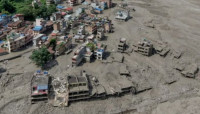
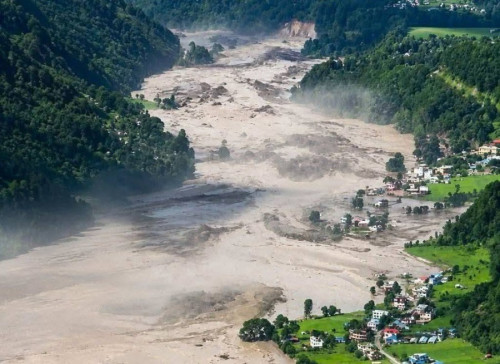
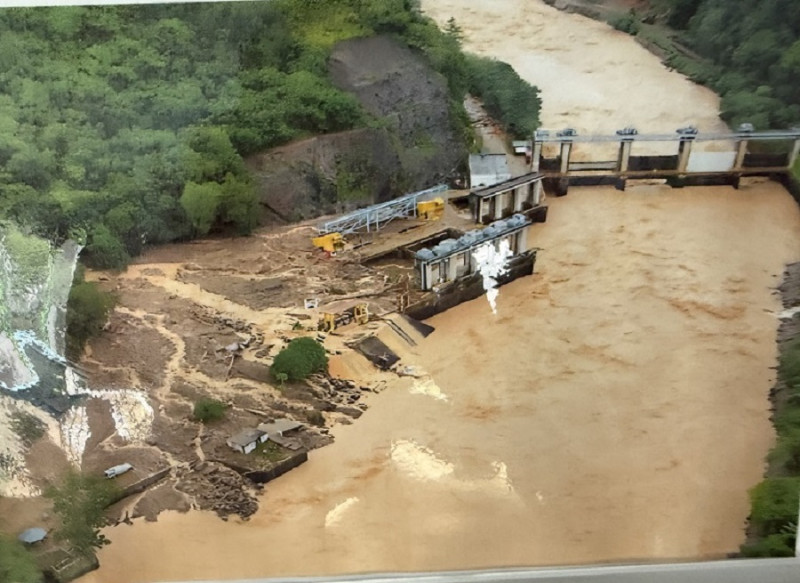
On the night of October 31, 2022, heavy rain battered the interior of Tenom for hours. But what followed was far worse — a devastating landslide that tore through Sabah’s only major hydropower facility, the Pangi station.
It cut off 66 megawatts from the state grid and left thousands without power. Yet, what happened inside the station’s jungle complex remains the real story that night.
Ten workers, including auxiliary police officers stationed to guard the facility, were caught in the disaster. The worst of the destruction struck the intake area, located about four kilometres upstream from the plant’s main control centre, around 7.30pm.
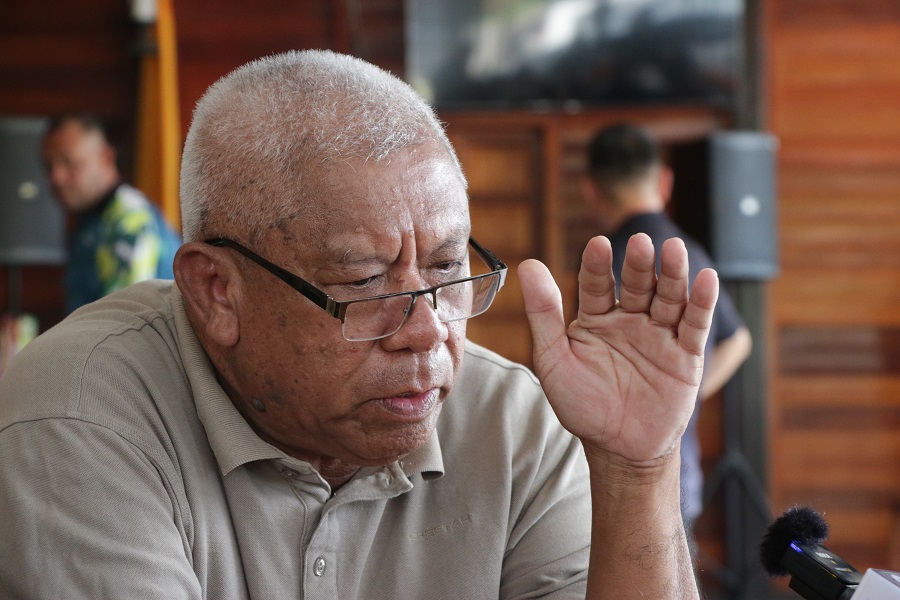
Aili Jamal, a veteran auxiliary police officer with 36 years of service, recalled how he and his colleague Yunus were trapped inside their guard post.
“We heard the roaring sound, but in the darkness, we couldn’t tell what it was. trees? rocks? we had no idea. Then everything hit us at once,” he said.
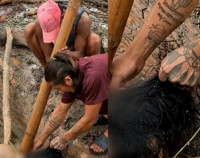
Mud and boulders crashed into their small security hut, leaving them trapped in near-total darkness, waist-deep in thick mud. The only way out was through a tiny gap in the back door. It was a colleague, risking his own safety, who came to check if they had survived.
“I thought I was finished. But we crawled out. We made it,” Aili recounted.
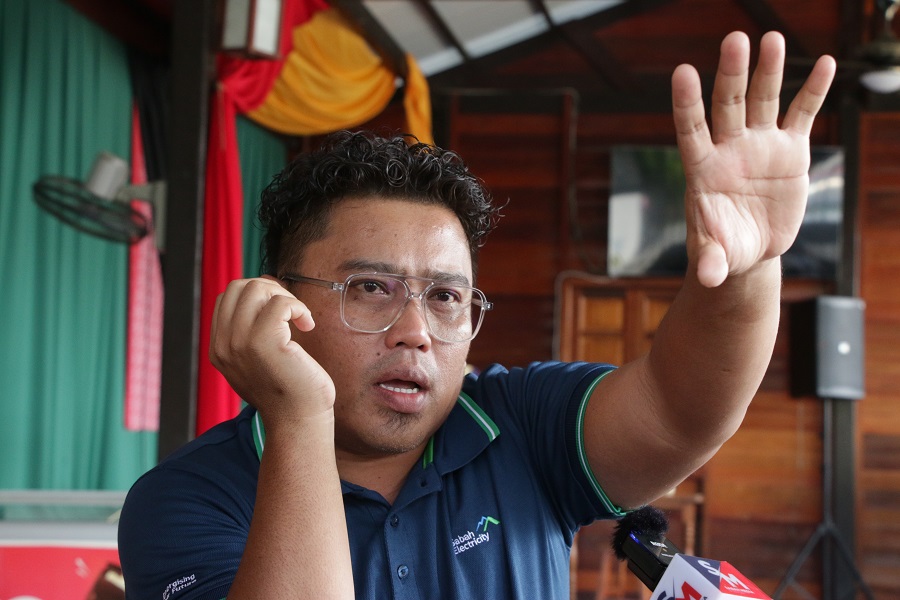
Further downstream, shift supervisor Mohd Raffi Yahya was facing his own nightmare. Realising the station was flooding, he ordered a full shutdown.
By 9.30pm, two of the station’s lower floors were submerged. He and five others, including an elderly technician needing diabetes medication, had little choice but to climb through the mud and debris to higher ground.
“We couldn’t wait for help. We had to move, or risk being trapped completely,” Raffi said.
The team began a hazardous four-kilometre trek the next morning, navigating collapsed roads, landslides, and broken infrastructure. It took them nearly four hours to reach the intake area, where they regrouped with other workers who had also escaped.
“I didn’t know if we’d make it out. We had no food, no water, and no way to communicate with the outside world. We just kept walking,” he said.
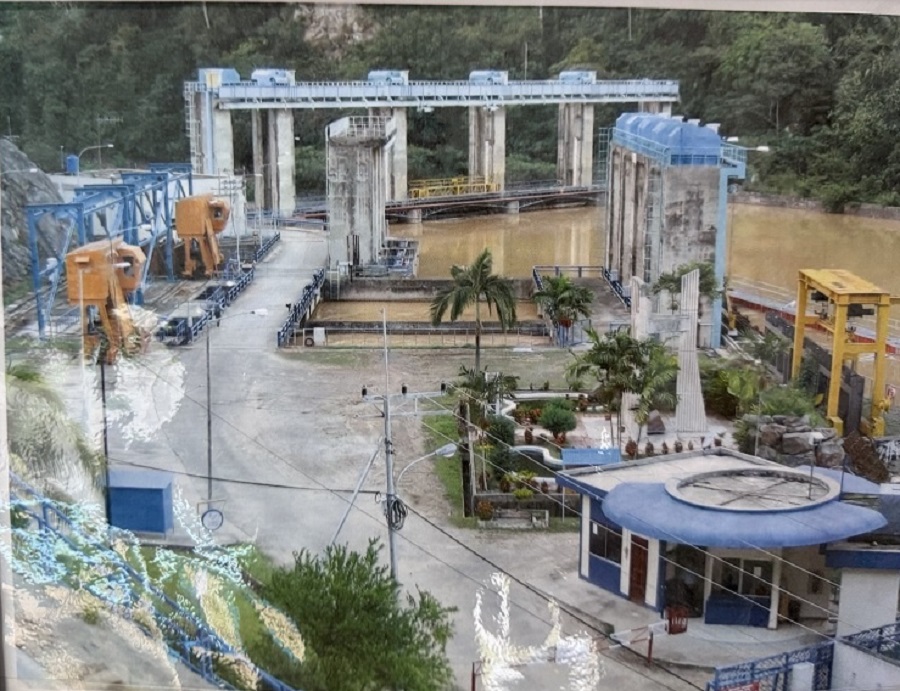
The Pangi Hydropower Station itself is tucked deep within Sabah’s interior, operating along the Padas River in an area surrounded by dense rainforest.
The station is located inside a forest reserve, adding another layer of environmental sensitivity to its operations. While official records do not specify the exact reserve by name, the surrounding area forms part of the protected forest ecosystem in the Tenom highlands, long regarded as a critical water catchment zone.
This remote location, while ideal for harnessing hydropower, also makes the facility highly vulnerable to upstream land disturbances.
Officials now suspect that unregulated logging and land clearing activities, possibly within or near the reserve, may have destabilised the surrounding slopes — triggering the mudslides that nearly destroyed the plant.
The disaster at the Pangi station came as Tenom was already reeling from widespread flooding. Heavy rains had battered the district for days, forcing hundreds of families to evacuate their homes.
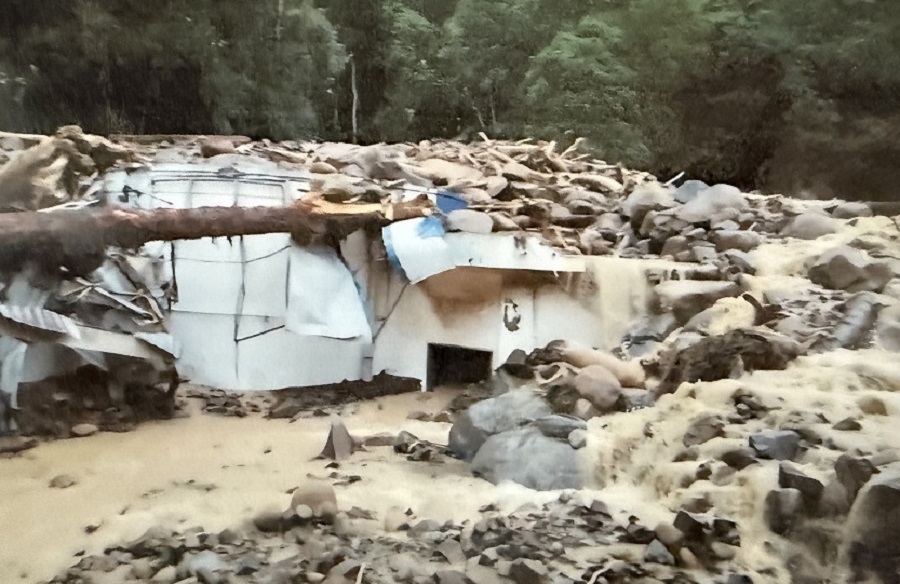
Roads were submerged, villages were cut off, and floodwaters continued to rise even after the landslide. The double blow paralysed Tenom, complicating rescue efforts as authorities struggled to reach stranded communities and critical infrastructure.
When help finally arrived at the station, the scale of the destruction was clear. The turbines, generators, and critical equipment were caked in mud and debris. The financial toll would later be estimated at RM60 million. Two turbines were restored in September 2024, but full capacity was only achieved in April 2025—just a month before the station’s 40th anniversary.
Deputy Chief Minister III Shahelmey Yahya, who visited the station, acknowledged that claims had been raised by Kemabong assemblyman Datuk Rubin Balang and others about suspected logging upstream possibly contributing to the disaster.
Shahelmey confirmed SESB’s preliminary assessment pointed to upstream land clearing and logging as likely contributors to soil erosion and mudslides.
“We have to verify whether these activities had approval from the relevant authorities, and if not, determine what measures need to be taken to prevent this from happening again,” he told reporters during his visit to the Tenom hydropower station.
He said he would also discuss with SESB and local authorities who holds responsibility for monitoring slope stability and environmental risk in the area.
Sabah Electricity has since installed new monitoring systems, including CCTV, sensors, and telemetry equipment to detect river flow and potential slope failures.
A drone surveillance programme is also in place to monitor risks along the pipeline and intake areas.
As the turbines now hum steadily again and life at the Pangi station returns to routine, those who lived through that terrifying night carry with them lessons that no training could have prepared them for.
The mud has long been cleared, and the lights are back on for thousands of Sabahans.
But for the workers who walked through darkness, debris, and rising water just to stay alive—October 31, 2022, will never be just another date on the calendar. It is a night they will quietly remember, every time the rain starts to fall. - May 16 2025