
THE Inland Revenue Board (IRB) has recorded a total of 293 million e-invoices translations as of last week since the online system was rolled out in August last year.
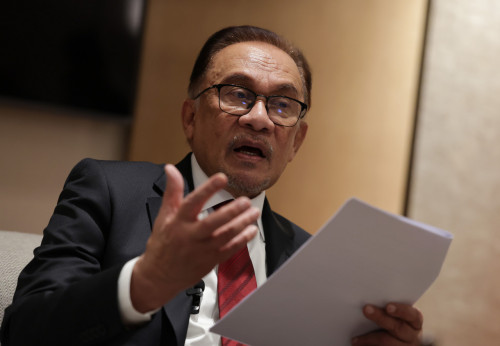
Contrary to objections from certain quarters, who described the process as cumbersome, Deputy Finance Minister Lim Hui Ying said that majority of the small medium enterprises (SMEs) have subscribed to the system.
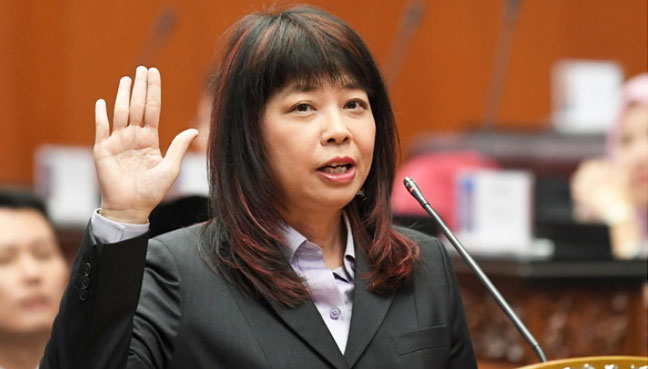
Lim, who is also the Tanjong MP, hailed the figure as a reflection of robust industry cooperation and a notable achievement in the early phase of the adoption of e-invoicing by the IRB.
While e-invoicing has not yet been made mandatory for small traders earning below RM150,000 annually, Lim encouraged voluntary participation.
“Early adoption allows small businesses to harness the benefits of digitalisation, including more systematic financial management and broader access to financing,” she said, adding that it is also meant to keep tabs on operational expenses.
She said that the ministry is committed a gradual and flexible approach, guided by the principle of ‘educate first, correct later’ concept.
“To support this concept, various resources such as training sessions, user guidelines, and the MyInvois portal are being made available to facilitate awareness and adoption, particularly at the grassroots level,” she said.
The state DAP secretary said this at a Special E-Invoice Briefing Session for non-governmental organisations (NGOs) at St Giles Wembley Hotel last night.
E -invoicing is an initiative by the IRB to enhance tax administration efficiency and digitalise the tax system.
It involves the use of digital documents to record transactions between businesses, validated by IRB.
The initiative is to focus on strengthening digital services and in digitalising tax administration.
Lim stressed that the programme not only aims to offer clear, practical guidance on the e-invoicing system but also serves as an open dialogue platform, enabling participants to exchange views and propose enhancements to ensure the system’s continued improvement.
Highlighting the importance of collaboration, Lim said the success of e-invoicing hinges on active participation from NGOs, religious institutions such as temples and shrines, and other community organisations, as it can showcase transparency.
“Their involvement is expected to bolster efficiency, transparency, and tax compliance, aligning with the government’s broader agenda to modernise the tax administration and support the growth of Malaysia’s digital economy. The implementation of e-invoicing is not just a technical upgrade—it represents a fundamental transformation of our national tax management system,” she added.
The third phase of the rollout is scheduled to begin in July and the requirement will be extended to all businesses, including micro, small, and medium enterprises (MSMEs).
The initiative was first introduced for companies with annual revenues exceeding RM100 million, followed by the second phase in January, covering businesses with annual sales between RM25 million and RM100 million. - May 24, 2025