TRADITIONAL dengue control measures like fogging are becoming less effective as the Aedes aegypti mosquitoes are becoming more resilient and efficient in spreading dengue.
According to data from the Ministry of Health, Malaysia reported 122,323 dengue cases and 117 deaths in 2024, which is a 0.53 per cent decrease in cases but a 17 per cent increase in fatalities compared to the previous year.
Dengue was the third most common communicable disease in 2023, after Covid-19 and hand, foot and mouth disease (HFMD), reported Code Blue.
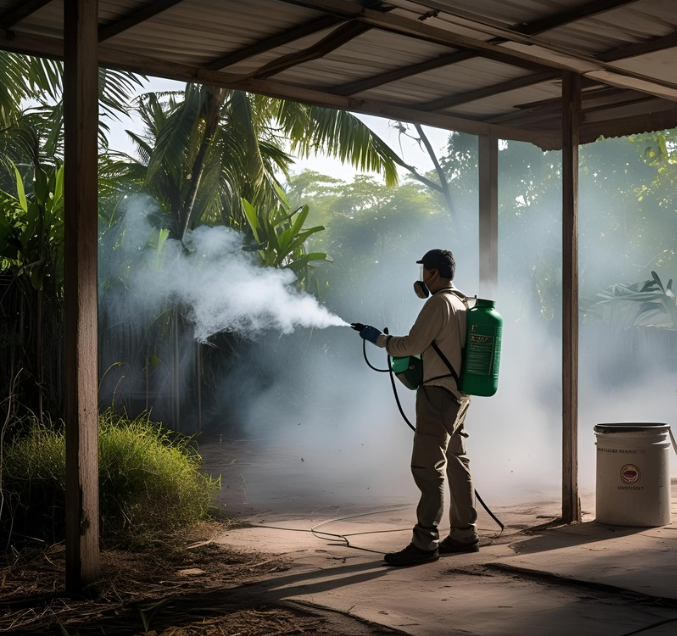
According to Prof Dr Zulkifli Ismail, chairman of Dengue Prevention Advocacy Malaysia (DPAM) said fogging kills the flying mosquitoes, but not the eggs and also kills a lot of other things like tadpoles and frogs.
"That’s why all these years of fogging haven’t really done much to reduce the incidence of dengue,” he said.
Dr Zulkifli, who is also a consultant paediatrician and paediatric cardiologist at KPJ Specialist Selangor Hospital.
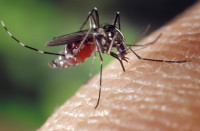
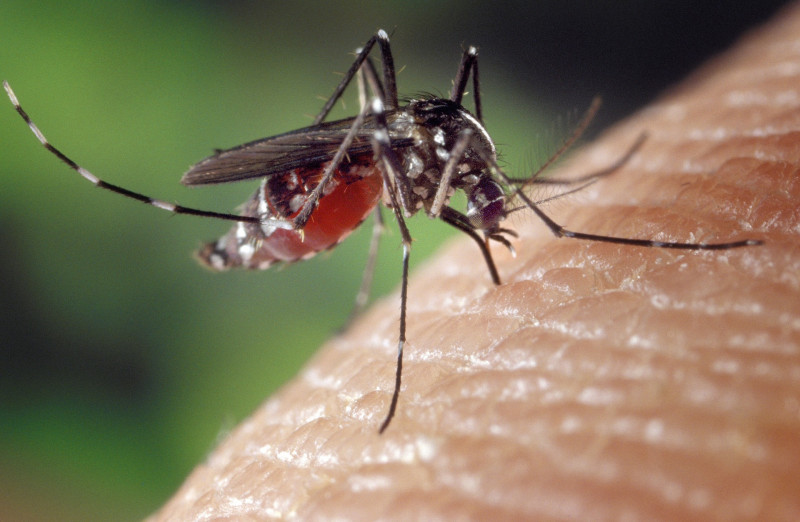
Prof Dr Zamberi Sekawi, clinical microbiologist at Universiti Putra Malaysia and DPAM dengue vaccine position chairman, said that Aedes mosquitoes are intermittent feeders, allowing them to infect multiple people in a short time.
He said the Aedes mosquitoes are intermittent meal takers, meaning when they feed on someone, they won’t take a full meal, unlike other mosquitoes that take one bite until they’re full, then fly away.
“This mosquito bites one person for one to five seconds, then moves to another. So that’s a very efficient way of spreading the virus.
“The second thing is that the eggs are very resistant to drying, meaning when they lay eggs and there’s no more water, the eggs can withstand up to six months. All it needs is just a bit of water, and the eggs will hatch and breed mosquitoes.” he said.
With conventional measures falling short, Dr Zulkifli said Malaysia is turning to new approaches, including the release of Wolbachia-infected mosquitoes and genetically modified mosquitoes.
According to reports in Code Blue, he said this method, which has been implemented in over 10 localities, has proven effective in reducing dengue cases by 50 to 80 per cent.
Dr Zamberi added that genetically modified mosquitoes, which are sterilised to prevent reproduction, are also being explored.
Experts say many households overlook water collection outside the home, which remains a major source of mosquito breeding.
They also urge local councils and event organisers to reduce the use of single-use plastics to prevent improper waste disposal that can create breeding sites.
Dr Benedict Sim, infectious disease consultant and representative of the Malaysian Society of Infection Control and Infectious Diseases (MyICID) stressed that the presence of Aedes mosquitoes in any area should be taken seriously. “If you see Aedes mosquitoes, it means there’s a breeding ground nearby.
“Each of us has a role to play at home, in the neighbourhood, or in the workplace," he added.
Another specialist outlined four key steps for the public: destroy mosquito breeding sites, prevent mosquito bites, get vaccinated, and seek early treatment. - June 7, 2025