MALAYSIA’S recent shift in drug policy, which decriminalises drug dependency in favour of treatment and rehabilitation, represents a significant change in addressing addiction as a chronic illness rather than a criminal offence. However, authorities say sustained support is vital to ensure successful reintegration into society.
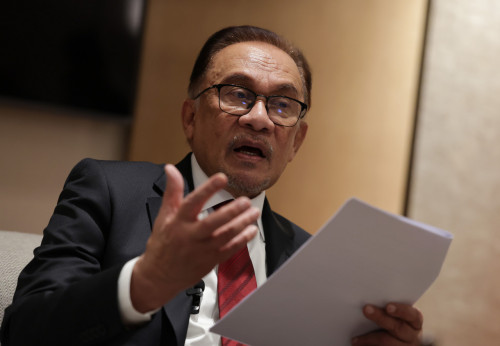
Home Minister Datuk Seri Saifuddin Nasution Ismail said that since the Drug Dependants (Treatment and Rehabilitation) (Amendment) Act 1983 (Act 283) was gazetted in October 2024, the government has prioritised non-custodial interventions for drug users – especially first-time offenders and those not involved in trafficking.
“This amendment recognises that addiction is a recurring disease that requires ongoing treatment and rehabilitation, and should not immediately result in imprisonment or corporal punishment,” The Star cited him saying in an interview.
From January to July this year, 1,594 individuals detained for various drug-related offences, excluding trafficking, were screened and assessed for treatment pathways under the new law.
The National Anti-Drug Agency (AADK), which leads the effort, has introduced Drug Screening and Assessment Centres (DAC) as part of this initiative. These centres employ a single-point-entry approach, where trained AADK officers assess detainees and initiate treatment more efficiently.
“The purpose of establishing DACs is to speed up the process for detainees to receive treatment and rehabilitation, without waiting for pathology results,” Saifuddin explained.
Four DACs have been established so far: in Tampin, Kuala Muda (Kedah), Gambang (Pahang), and at AADK’s national headquarters in Kajang.
“This provision focuses on a policy shift from imprisonment to treatment and rehabilitation,” he added. “We can see that when an individual commits a drug-related offence, especially under Section 15(1)(a) of the Dangerous Drugs Act 1952, they will be diverted to treatment – either through the Institutional Rehabilitation Treatment Programme (RPDI) or the Community-Based Rehabilitation Treatment Programme (RPDK).”
As of 8 August, 51,513 individuals are enrolled in the community-based programme (RPDK), while 5,819 are undergoing institutional rehabilitation.
“The amendment also provides procedures for the voluntary treatment and rehabilitation of any drug or substance addict or abuser,” he said, noting that 924 individuals voluntarily sought treatment from January to August, despite the law not yet being fully enforced.
Rehabilitation officers are now empowered to recommend and implement appropriate treatment for those who come forward voluntarily, further supporting early intervention.
In cases where individuals breach the conditions of community-based rehabilitation orders, courts now have the option to impose fines or community service, rather than resorting solely to imprisonment or corporal punishment.
“These alternative penalties provide greater flexibility and help ensure that treatment remains the central focus,” Saifuddin said.
He added that the overall aim of the amended law is not only to treat addiction more effectively but also to reduce the stigma surrounding drug dependence.
“With regard to drug and substance addicts or abusers, who are now considered patients, this is aimed at reducing the stigma faced by individuals involved in addiction and substance abuse so that they are more willing to come forward to seek treatment.”
Saifuddin concluded that drug addiction remains a multifaceted issue requiring both health-centred and security-based approaches.
“This is not merely a health issue, but one that must be managed in the context of public safety and order.” - August 16, 2025