THE New Economic Policy was introduced in 1971 and was earlier scheduled to last two decades, but more than 50 years later, it is still ongoing.
In a recent Opinion piece in The Washington Post, the writer said the NEP has come to be considered the 'third rail' of Malaysian politics - that is virtually untouchable.
"The policy was designed as a temporary way to address past discrimination but turned into its own form of discrimination, with a permanent bureaucracy to manage its regulations and ensure compliance in the nation.
"The programme had been a well-meaning plan to reduce poverty, but it became a benefit mainly for a privileged racial elite, according to its critics," wrote Keith Richburg.
Richburg is an American journalist and former foreign correspondent who spent more than 30 years working for The Washington Post.
"Malaysia’s Chinese and Indians have long blamed the NEP for exposing them to reverse discrimination.
"Most university slots are reserved for ethnic Malays, who also get preferential treatment in hiring.
"And government contracts are doled out to Malay-run companies, fostering a culture of corruption and favouritism," he said.
Richburg said now even some prominent Malays who have benefited from the system are calling for change.
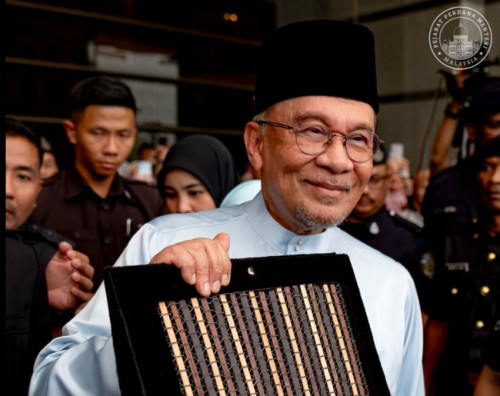
"Perhaps most surprising is the criticism from the country’s top Malay politician, Prime Minister Datuk Seri Anwar Ibrahim.
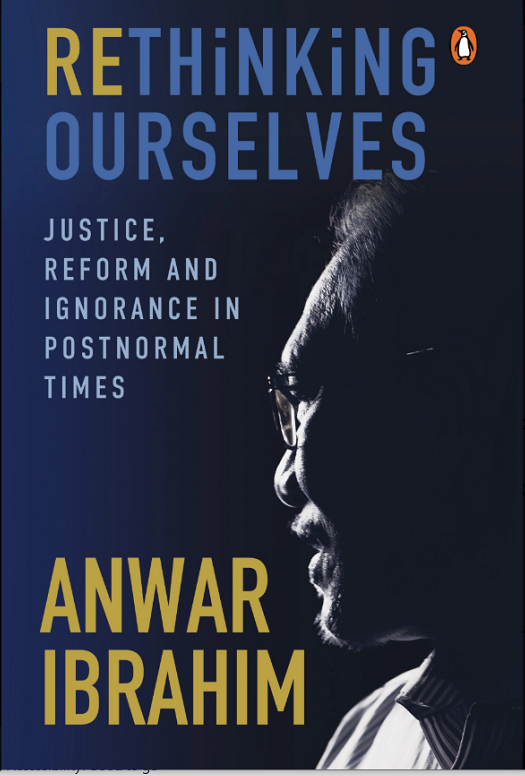
Rethinking Ourselves
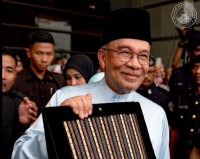
In his upcoming book, “Rethinking Ourselves,” which is part prison memoir and part philosophical tone, Anwar pointedly criticises the affirmative action policy.
“The NEP was driven by a lofty dream; and not intended to be ethnic centric,” Anwar writes.
“The thrust of the policy was to develop the country, eliminate poverty, and end race as a determining factor for anything in Malaysia.”
Anwar continues by pointing out that the programme did reduce poverty among Malays, but the myriad agencies erected to manage it “added more layers of bureaucracy and opened up more avenues of corruption.”
Richburg said the prime minister proposes a new approach to helping the underprivileged that’s based on need, not race.
Anwar’s criticism is similar to one levelled recently by Khairy Jamaluddin.
“KJ,” as he is known, ignited a debate when he called for addressing the frustrations of non-Malays who have felt discriminated against under the NEP.
“I think the pain point for non-Malays is not so much the advantages given to the Bumiputeras. It’s when their legitimate expectations are not attained — such as being unable to further their studies at local universities despite scoring straight A’s,” KJ said on his podcast.
Richburg said the complaints about the NEP echo those he heard during his visit to South Africa last year, just before a seismic election in which the ruling African National Congress party lost its majority for the first time since the advent of Black-majority rule.
Black Economic Empowerment
South Africa’s affirmative action policy, called Black Economic Empowerment, was designed to correct the economic disparities left over from the abhorrent apartheid system of White-minority rule, and it uses a scorecard system to reward companies with more Black workers, managers and owners.
"Poverty remains endemic in South Africa, especially in the Black townships. But rather than improve living standards for the masses, Black Economic Empowerment created a class of wealthy Black elites — some of them billionaires, and all of them connected to the African National Congress.
"In the United States, affirmative action was aimed at uplifting the Black minority that had suffered generations of slavery, followed by a century of legal discrimination, disenfranchisement and organized terrorism.
"Black Americans were systemically denied land rights, voting rights, educational opportunities and employment in certain occupations," added Richburg.
As in Malaysia, US affirmative action programmes, beginning in the 1960s, were meant to be a temporary fix.
As they lived on, they fuelled a backlash among White people and later Asian Americans who felt victimised by reverse discrimination.
"The Supreme Court’s 2023 decision to largely curtail race-based affirmative action in college admissions marked a seismic shift.
"But race-conscious policies remain in federal, state and local regulations governing minority-owned business contracts and hiring,”.
Richburg said all three countries - Malaysia, South Africa and the US - have found that well-intentioned policies can go awry.
"Temporary remedies become permanent fixtures, and efforts to fight discrimination become discriminatory themselves.
"All the while, the underlying problem is not race but economic disparity. Perhaps in Malaysia, Anwar will find a better way," he added. - September 6, 2025