COMMUNICATIONS Minister Datuk Fahmi Fadzil has urged all Members of Parliament and state assemblymen to exercise extreme caution when handling unsolicited emails, particularly those containing suspicious links or QR codes, amid a recent spate of phishing threats targeting male elected representatives.
“Such emails could contain malware or serve as phishing attempts. If the recipient clicks on the link or communicates with the scammer, their personal information could be compromised,” he said on Monday after presenting Kasih\@HAWANA assistance to crime reporter Choo Kar Chun in Bandar Baru Air Itam, Penang.
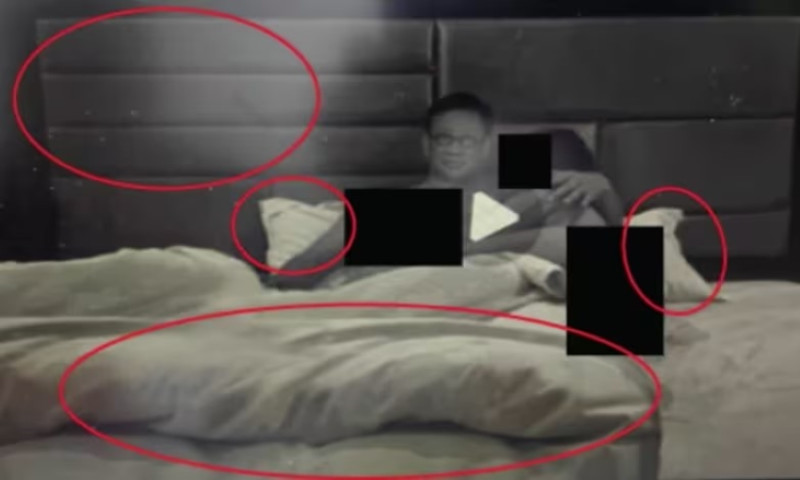
Fahmi confirmed that, so far, only male lawmakers have received the emails, which claim to contain “lewd videos” and demand a ransom of US$100,000 (approximately RM470,000). The threats, which are believed to originate from a single source, use AI-generated content and publicly accessible information such as email addresses and profile photos from official government websites.
"Yes, this warning was issued through the Dewan Rakyat secretariat based on advice from the Malaysian Communications and Multimedia Commission (MCMC)," he said.
He was responding to claims by former economy minister Datuk Seri Rafizi Ramli, who revealed on Facebook that he and Subang MP Wong Chen had received such threats.
“The video, which was emailed to us, was clearly generated using artificial intelligence,” Rafizi said.
Fahmi reiterated that the MCMC had advised lawmakers to avoid clicking links or scanning codes embedded in emails. He also recommended that all users adopt basic cybersecurity measures, such as changing passwords at least once a year and enabling two-factor authentication.
“If someone attempts to log in from a new device, the account owner will be notified. This provides an added layer of protection,” he said.
Fahmi also urged members of the public to be vigilant when receiving suspicious messages or social media posts.
“Even if it appears to come from someone you know, do not immediately trust it. Confirm with the person directly. Scammers may impersonate individuals to solicit donations or spread malware,” he warned.
He further cautioned against opening links to APK files disguised as wedding invitations, which are a known method for hijacking mobile devices and messaging apps such as WhatsApp. - September 15, 2025