



PUBLIC transport and freight companies across Malaysia have been advised not to wait until the last minute to register for the Subsidised Petrol Control System (SKPS), as the government moves closer to implementing targeted subsidies for RON95 fuel.
Domestic Trade and Cost of Living Minister Datuk Armizan Mohd Ali has issued a clear call to eligible companies to register promptly in order to ensure uninterrupted access to subsidised petrol once the reform is announced by the Ministry of Finance.
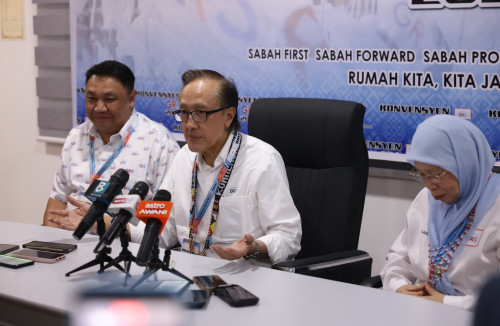
“The message is simple: don’t wait until the eleventh hour. Registration and application for SKPS is straightforward. If all documents are in order, the ministry can approve it within a day—or even an hour,” he told reporters after attending the Sabah Student Convention, which was officiated by Chief Minister Datuk Seri Hajiji Noor.
However, Armizan warned that post-approval procedures, such as applying for fleet cards from selected oil companies, take additional time. Delay in this step could disrupt access to subsidised fuel once the implementation date is set.
As of now, registration rates remain low. Of an estimated 4,647 eligible commercial vehicles in Sabah and Sarawak, only 89 vehicles in Sabah and six in Sarawak have registered under the SKPS. Nationally, between 15 September and the previous day, 1,790 companies involving 5,449 vehicles had submitted applications. Only 164 companies, accounting for 249 vehicles, had completed the full registration process.
The ministry estimates that approximately 100,000 vehicles in the public transport and goods sector are eligible to register nationwide under SKPS, enabling them to benefit from subsidised RON95.
Armizan noted that there may be confusion stemming from the diesel subsidy programme, which was only implemented in Peninsular Malaysia while remaining in place in Sabah and Sarawak.
“Some may mistakenly believe, as with diesel, that Sabah and Sarawak are exempt from petrol subsidy rationalisation. That is not the case. This subsidy targeting will be rolled out nationwide,” he clarified.
He added that the initiative is not only intended to support businesses but also to shield the general public from fuel price fluctuations once subsidies are removed from broader market pricing.
“This isn’t just about helping companies. Ensuring the right groups continue to benefit from fuel subsidies protects the public from sharp fuel price increases that could otherwise affect transport costs and the broader economy,” Armizan said. - September 21, 2025






.jpeg)
