THE World Bank has given a guarded endorsement of Malaysia’s BUDI95 fuel subsidy reform, describing the measure as fiscally appropriate and timely, but warning that its impact will depend on how effectively it is implemented and communicated to the public.
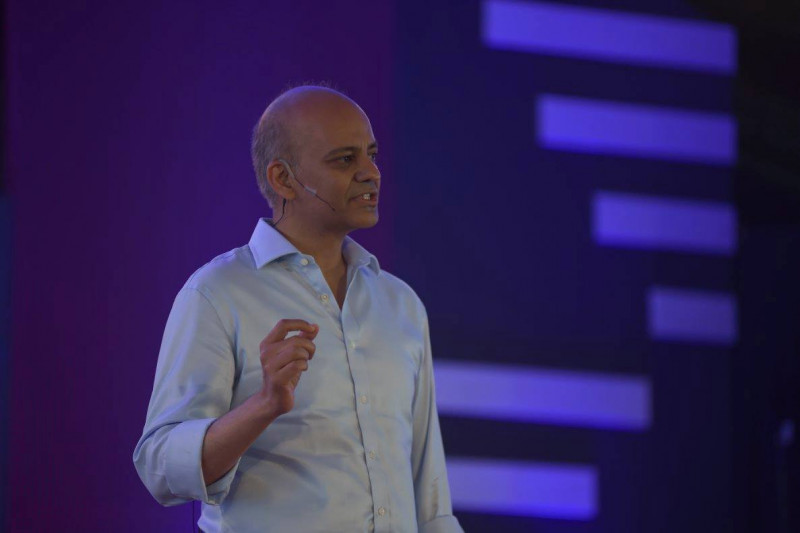
“This is a continuation of reform, albeit a partial one,” said Apurva Sanghi, the World Bank’s Lead Economist for Malaysia, during a recent media briefing in Kuala Lumpur.
The BUDI95 programme, scheduled to begin on 1 October, will limit subsidised RON95 petrol to 300 litres per month for eligible citizens, with additional provisions for e-hailing drivers. The move marks the MADANI Government’s shift from blanket fuel subsidies to a more targeted approach, aimed at reducing inefficiencies and ensuring better fiscal discipline.
“Malaysia is not collecting enough revenue to meet its spending needs,” Sanghi noted. “Its fiscal position is further weighed down by its limited revenue.”
While the Bank supports the overall direction of the reform, it has played down expectations of immediate fiscal windfalls. “Smaller fiscal gains, but still a step forward,” Sanghi said. “Yes, it’s regressive — but capped.”
He noted that subsidy rationalisation often presents administrative and social complexities. A key concern lies in defining the so-called ‘T15’ — the top 15 percent of income earners who are to be excluded from subsidy eligibility.
“Defining T15 is tricky,” Sanghi said. “A household earning RM10,000 in Kuala Lumpur is not the same as one earning RM10,000 in Kelantan.”
He recommended adjusting income assessments to account for both household size and geographic location. “Adjust incomes by household size and location. That may be ‘good enough’ for a T15 label.”
Sanghi also flagged potential avenues for circumvention under a two-tier fuel pricing system, particularly if higher-income individuals exploit lower-income proxies to access subsidies. “T15 could just send a B85 buddy to fuel up,” he remarked.
“Technology helps, but may not stop arbitrage,” he added, noting that digital tools and data systems can support the reform, but are unlikely to eliminate all risks of abuse.
As such, the World Bank recommends a gradual move towards market-based fuel pricing, supported by well-targeted cash transfers and continued improvements to database integrity. “Float fuel prices — but slowly,” said Sanghi. “Provide cash transfers to B85 and keep strengthening those databases to make sure no B85 is left out.”
The Bank also underscored the political sensitivities around subsidy removal. “Fuel prices are an easy political target in any country,” Sanghi said. “Once they’re floated, an opposition could drag a government for high or volatile prices — even though they’re now beyond the government’s control.”
To minimise political risk and enhance public understanding, Sanghi urged the government to increase transparency and explain how global oil prices influence local pump prices. “Bumping up communication to explain the link between global and local prices to the public is vital,” he said. “That ensures an appropriate and empathetic narrative prevails in the national discourse.”
He highlighted that global oil prices and future domestic fiscal decisions remain significant variables in the success or failure of the reform. “Global oil prices and future policy remain the big unknowns,” Sanghi said.
In the longer term, he suggested that Malaysia may need to revisit broader tax reform. “At some point, the government will have to contend with reintroducing the goods and services tax to tackle this,” he said.
Despite these challenges, the World Bank remains upbeat about Malaysia’s macroeconomic prospects. It has raised the country’s 2025 GDP growth forecast to 4.9 percent and expects inflation to remain contained at approximately 2 percent — within the government’s target range.
“Malaysia’s economy is in a good place,” Sanghi added. “There’s no perfect rollout — just the least suspect option.” - September 25, 2025