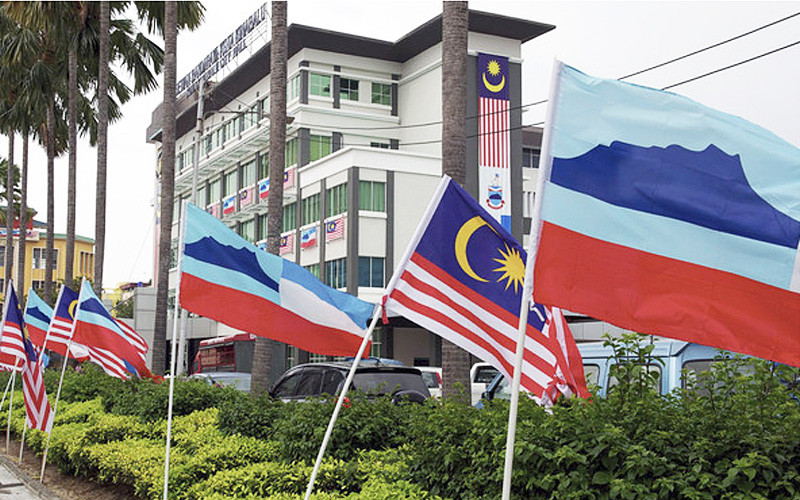
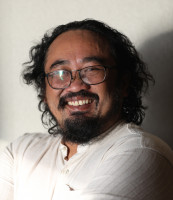
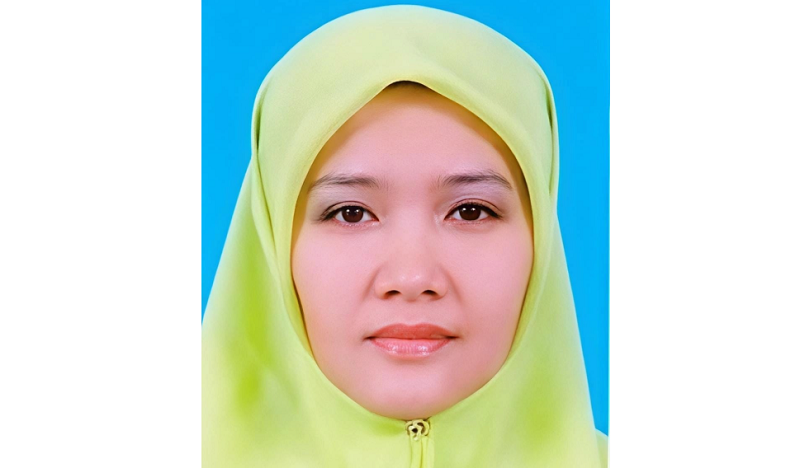
THE ongoing debate between local and national parties ahead of Sabah’s 17th election is a political distraction from the state’s real problems, says Universiti Malaysia Sabah (UMS) researcher Dr Haryati Abdul Karim.
She said the “parti lokal versus parti luar” narrative, which resurfaces during every election cycle, does little to address pressing issues affecting Sabahans.
“This whole local-versus-national argument isn’t new. Sabah has been governed by local parties before – USNO, Berjaya, PBS – long before UMNO entered the state.
“What we’re seeing now is the same narrative being recycled with different slogans,” she said.
According to Dr Haryati, political slogans such as “Sabah for Sabahans” and “vote local, reject outsiders” may generate emotional appeal but risks overshadowing critical bread-and-butter issues.
“The real issues haunting Sabahans are not about political labels.
“They’re about water supply, electricity, bad roads, low income, and the lack of job opportunities. Those are what determine the quality of life in Sabah,” she said.
She noted that despite changes in political alignments, from local governments to federal-linked coalitions, Sabah continues to face double-digit poverty rates and inadequate infrastructure.
The 2024 Household Income Survey found that nearly one in three households in Sabah earn between RM2,000 and RM3,999 a month, while just five per cent make more than RM10,000.
The state also recorded 98 per cent usage of the federal government’s RM100 Sumbangan Asas Rahmah (SARA) aid programme.
“It shows how difficult daily life is for many Sabahans. The cost of living is high, and opportunities remain limited.
“Sabah still doesn’t have an efficient or integrated transport system. Even connecting rural areas to town is a challenge,” she said.
Dr Haryati urged voters to look beyond campaign slogans and focus on policies that can realistically improve living standards.
“Sabah has already experienced every form of government-local, national, and mixed coalitions.
“For this election, people must choose leaders who can deliver inclusive development, not just emotional promises about autonomy,” she said.
She said Sabah’s future depends on pragmatic leadership that prioritises infrastructure, jobs, and economic growth instead of identity politics. - October 15, 2025