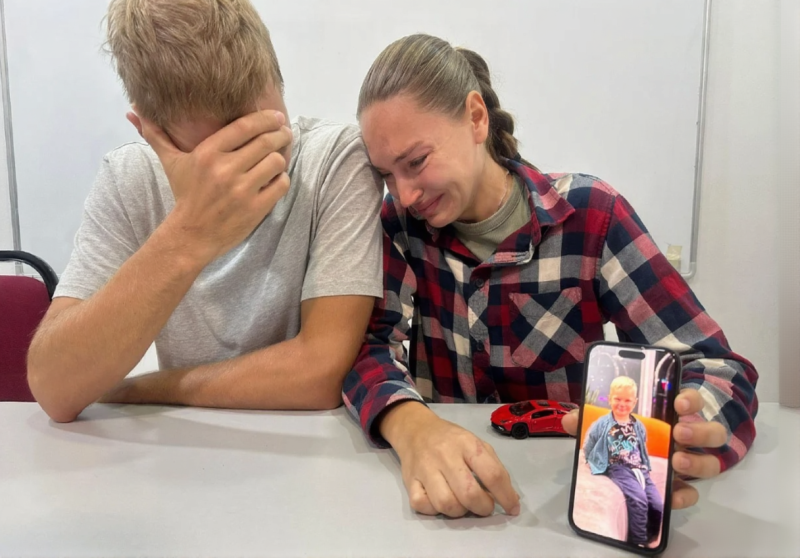

THE Langkawi tourism operators are urging authorities to confront mounting environmental concerns after a two-year-old Russian boy died from complications following a box jellyfish sting at Pantai Cenang, an incident they say underscores the island’s deteriorating coastal conditions.
The child had been playing in the shallows during a family outing last week when he was stung. He succumbed to the venom three days later.
His death comes against a backdrop of nearly 100 recorded jellyfish stings along Pantai Cenang and Pantai Tengah over the past three years, which rescue personnel describe as a worrying indicator of declining water quality.
Former Kedah Malaysian Association of Travel and Tour Agents (MATTA) chairperson Ahmad Pishol Isahak said the tragedy should serve as a wake-up call, warning that such incidents risk eroding the island’s hard-earned image as a safe, family-oriented destination.
“There should no longer be distraught photographs of families weeping over tragic deaths due to jellyfish stings, as it casts aspersions on the goodwill reputation of the island,” he said.
He stressed that safeguarding Langkawi’s environment must become a shared responsibility among government agencies, tourism operators and the wider public.
Pishol urged local authorities to undertake thorough inspections of sewerage infrastructure amid concerns about possible leakages and the indiscriminate dumping of solid waste into the sea. He noted that such pollution could accelerate jellyfish proliferation.
His concerns were reinforced by veteran hotelier and resort operator Anthony Wong Kim Fei, who said that past sewage discharges may have inadvertently created conditions conducive to jellyfish blooms.
He explained that the creatures thrive in polluted waters dense with waste algae and that tidal movements further influence their presence.
“Local jellyfish species do not kill. The box jellyfish actually originated from Australia and likely entered the local eco-marine system through cruise boats,” he said.
Wong, a long-standing proponent of adopting an ASEAN green hotel standard in Malaysia, added that beach erosion remains an unresolved challenge.
He called for nature-based protective measures such as wooden embankments to stabilise vulnerable stretches of coast.
Former Malaysian Nature Society Kedah chairman Eric R. Sinnaya said the situation demanded a comprehensive audit of sewerage systems at tourism establishments.
Ensuring strict adherence to discharge standards, he said, was essential, adding that operators should integrate environmentally friendly waste-treatment methods wherever possible.
The boy’s death has intensified pressure on authorities and the industry to take decisive action, as Langkawi’s environmental health remains critical both to public safety and to the continued viability of its tourism economy. - November 21, 2025




.jpeg)