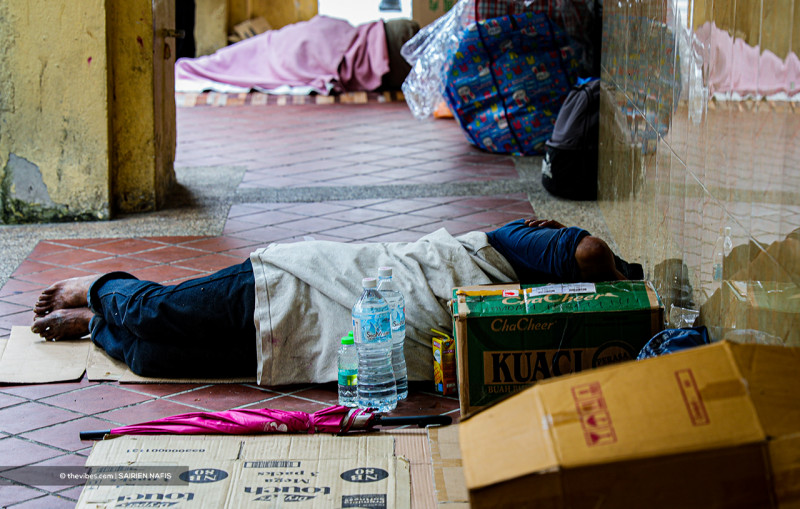
THE Government is undertaking a review of existing legislation governing homelessness, including the long-standing Poor Persons Act, in a bid to find more comprehensive and effective solutions to the increasingly complex issue in the capital.
Despite repeated interventions by local authorities and social agencies, homelessness continues to be a persistent problem, prompting the need for a more structured legal approach.
Minister in the Prime Minister’s Department (Federal Territories) Datuk Seri Dr Zaliha Mustafa said today that although rescue operations for homeless individuals are conducted regularly with support from various technical and welfare agencies, the problem remains difficult to manage due to the diverse backgrounds of those affected.
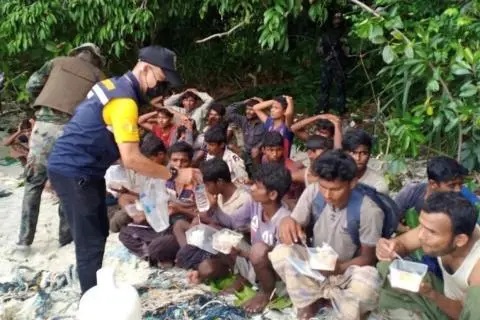
“The issue of homelessness is ongoing. They come from various backgrounds. There are those temporarily in Kuala Lumpur, UNHCR refugees, people with mental illnesses, drug addicts, and so on,” she told reporters today.
Rescue operations currently involve multiple agencies including the Social Welfare Department (JKM), the National Anti-Drugs Agency (AADK), the National Security Council (MKN), the Ministry of Home Affairs (KDN), and the Royal Malaysian Police (PDRM).
However, the roles of these agencies often overlap or remain unclear due to limitations in the existing legal provisions.
“Even though rescue operations involve all these agencies, if the legal aspects are unclear, it becomes difficult to determine the most appropriate action for each homeless individual,” Dr Zaliha said.
She noted that the challenge is compounded when homelessness becomes recurrent – individuals are rescued, placed in transit or intervention centres, but eventually return to the streets.
“We encounter some homeless people repeatedly. We place them, provide food, provide training, yet they come back. This demonstrates the need for a more streamlined and comprehensive legal solution,” she explained.
The government, through the Ministry of Women, Family and Community Development (KPWKM), is currently reviewing the Poor Persons Act, a law long used in managing homelessness but considered increasingly inadequate for contemporary social realities.
“I understand that KPWKM is examining the act being applied. For example, the Poor Persons Act is being studied in greater detail, including who is actually responsible under the law,” she said.
When asked about areas in Kuala Lumpur most affected by homelessness, Dr Zaliha highlighted that the numbers are substantial and frequently shifting depending on new infrastructure or spaces conducive for sleeping.
“There are too many hotspots. Some are persistent, such as Bangkok Bank and Jalan Pudu, but there are also new locations that emerge when areas are developed and provide facilities where they can sleep,” she said. - December 11, 2025