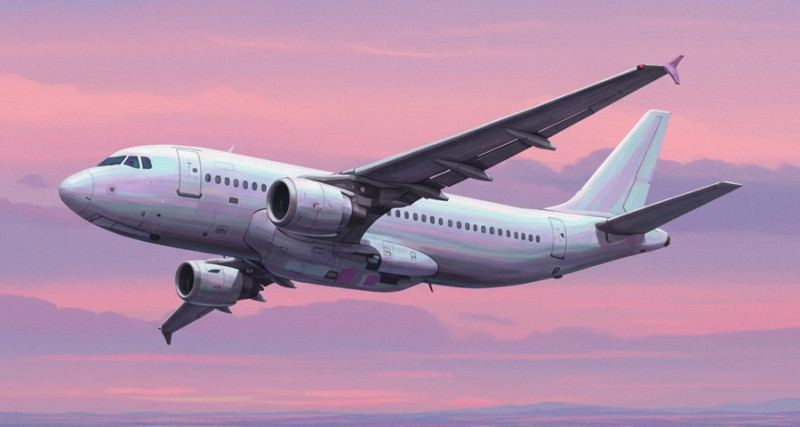
AIRLINES in Asia are reportedly raising ticket prices and drawing up contingency plans, including possibly suspending flight operations, as conflicts in the Middle East have the potential to trigger the worst oil crisis since the 1970s.
According to a Bloomberg report, Indian airlines have raised long-haul fares by up to 15 per cent, while Vietnam has warned that ticket prices could rise by up to 70 per cent due to the country's reliance on imported jet fuel.
Experts say regional airlines are less protected from oil price spikes than their European and US rivals.
This makes them more vulnerable to sudden increases in fuel prices and has prompted some low-cost carriers in Southeast Asia to draw up scenarios to ground their planes if fuel becomes too expensive or difficult to obtain.
“Panic buttons have been set off everywhere,” said June Goh, senior oil market analyst at Sparta Commodities SA. “Airlines in Asia that have a weak hedging program are very vulnerable with the current jet-fuel pricing if they sold tickets at earlier price points than where we are now.”
Some budget airlines with low profit margins may go bust if the current environment lasts for more than three months, one of the people said.
Airlines worldwide could be forced to ground thousands of planes because of the war, with the weakest carriers halting operations, Michael Linenberg, an analyst at Deutsche Bank AG, wrote in a note.
Air New Zealand has suspended its 2026 revenue guidance due to sharply fluctuating jet fuel prices.
“Due to unprecedented circumstances, the jet fuel price estimates that form the basis of our guidance are no longer relevant.
"This crisis is expected to have a significant impact on earnings in the second half of the financial year," the company said in a statement.
The war in the Middle East has caused serious disruption to aviation, with major airlines and airports in the region almost grounded.
The threat of fuel shortages is now weighing on global air travel.
Some industry players are clinging to optimism that the conflict will end within months, rather than years.
“My own personal view is this is shorter-lived,” said John Plueger, CEO of Air Lease Corp. “The main point here is the world doesn’t stop. It may be put on hold.”- March 10, 2026













_Datuk_Rusdi_Mohd_Isa._Facebook_pic..png)