ONLINE gaming platforms are increasingly being exploited as covert channels for extremist recruitment targeting children, experts have warned, following the arrest of several minors allegedly radicalised through digital interactions.
The concern comes after three minors were detained under the Security Offences (Special Measures) Act (Sosma), believed to have been exposed to Islamic State (IS) ideology via social media and online gaming environments.
They were among six individuals aged between 16 and 21 apprehended during a coordinated Special Branch operation conducted between February 14 and 15 across the Klang Valley, Johor, Kedah and Terengganu, following intelligence-led investigations into suspected extremist links.
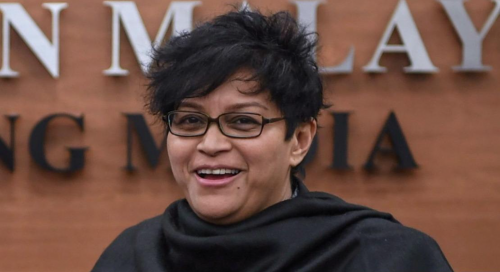
Dr Shafizan Mohamed, a communications lecturer at the International Islamic University Malaysia, said online gaming platforms have evolved beyond entertainment spaces into environments where private and potentially harmful interactions can occur.
"Features like real-time voice chat and private messages allow conversations to happen privately, often without monitoring.
"This is where grooming can happen," she said.
She explained that the anonymity afforded by such platforms enables recruiters to approach children undetected, often moving conversations to encrypted or private messaging applications such as Discord, Telegram and WhatsApp, where indoctrination efforts may intensify.
Shafizan noted that emotionally or socially vulnerable youths are particularly at risk, as they seek validation and a sense of belonging.
"When young people feel lost, they form relationships with people online, especially those who validate them and pay attention to them.
"Any radical ideology introduced by these people can be easily accepted," she said.
Warning signs for parents, she added, include increased secrecy over online activities, noticeable changes in language, expressions of hostility towards certain groups and withdrawal from family and social circles.
Criminologist Datuk Dr P. Sundramoorthy from Universiti Sains Malaysia’s Centre for Policy Research said vulnerable adolescents often display identity confusion, low self-esteem, perceived injustice and a strong desire for belonging, making them susceptible to manipulation.
He said the radicalisation process can unfold over weeks or months, with extremist networks employing staged grooming techniques that begin with seemingly harmless content before progressing to emotional bonding and ideological indoctrination.
Sundramoorthy also raised concerns over the use of Sosma in cases involving minors, describing it as a complex criminological and ethical issue.
While recognising the state’s responsibility to act on credible threats, he stressed that children in such situations are often victims of manipulation rather than deliberate participants.
"Preventive measures such as Sosma should be invoked strictly as a last resort.
"Over-reliance on security laws risks conflating victimhood with culpability, potentially undermining long-term eradicalisation efforts," he said, advocating rehabilitation over punitive detention.
"Safeguarding public safety must remain paramount, but it should be pursued in a manner that is proportionate, evidence-based and sensitive to the developmental status and rights of the child."
The case has also drawn criticism from rights groups.
The Human Rights Commission of Malaysia, the All-Party Parliamentary Group Malaysia on Children's Rights and several civil society organisations have condemned the use of Sosma against minors and called for an immediate moratorium.
Earlier this month, Inspector-General of Police Datuk Seri Mohd Khalid Ismail said the rights of the detained minors were protected under the Child Act as well as international conventions. - March 19, 2026