By Murray Hunter
WORLD economies have yet to fully register the economic aftershocks of the latest Gulf conflict.
Global oil inventories, drawn down aggressively during the height of tensions, have acted as a temporary buffer, masking the true severity of disruptions in energy flows from the Middle East.
While headlines suggest de-escalation, the reality on maritime supply chains tells a more precarious story.
Asian economies, heavily dependent on Gulf crude and refined products, now face the prospect of cascading shortages that could tip several regional players toward stagnation or outright recession in the second half of 2026.
The Memorandum of Understanding signed last week has done little to restore confidence.
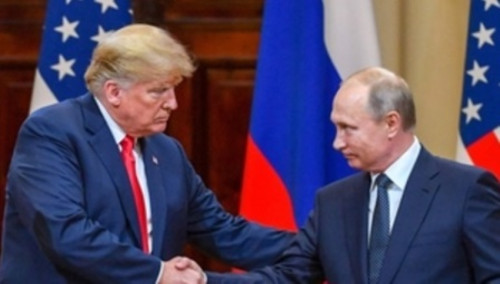
Maritime traffic through the Strait of Hormuz remains almost stagnant, despite optimistic declarations from US President Donald Trump that the vital chokepoint is “open.” Insurance premiums for tankers have stayed elevated, and many operators continue to reroute or delay voyages.
This persistent hesitation reflects deep operational caution rather than political rhetoric.
Compounding the uncertainty is the fresh MOU between Israel and Lebanon, which, while presented as a stabilising step, introduces new layers of complexity.
Its downstream effects on alliances, proxy actors, and maritime security will likely become clearer over the coming weeks, keeping risk premiums elevated across energy markets.
On the ground, logistical frictions are already visible.
Shortages of urea, nitrogen-based fertilisers, and associated petrochemicals have emerged as refineries scramble to reconfigure processes for varying grades of crude.
Many facilities optimised for heavier Gulf grades now face mismatches with lighter supplies, forcing costly adjustments and reduced throughput.
Heavy crude shortages are particularly acute for aviation fuel production, placing strain on regional airlines and logistics networks at a time when post-pandemic recovery still feels fragile in parts of Southeast and South Asia.
Incidents continue to underscore the fragility.
Iranian drone attacks on vessels attempting the Strait crossing, met with US missile reprisals targeting Iranian coastal positions, illustrate how quickly calm can unravel.
Sources in Tehran describe daily life gradually returning to a semblance of normalcy, yet laced with apprehension of further strikes.
The Iranian military remains on high alert, projecting readiness that deters rapid normalisation.
Meanwhile, US forces are being recalled, a move that carries domestic political costs for President Trump as mid-term elections loom.
The persistent wild card remains Israel, whose strategic intentions are opaque, sustaining elevated tensions that prevent markets from fully pricing in recovery.
For Asia, the pain is no longer theoretical. Oil and fuel shortages are projected to materialise from next month onward, driven by extended supply chain lead times.
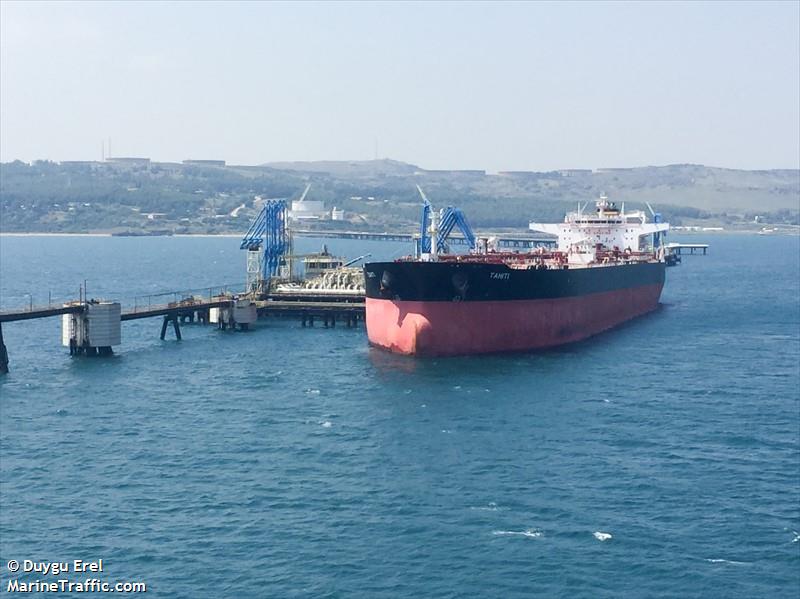
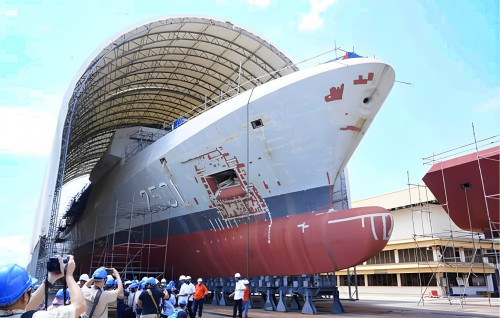
Picture for illustration only
Even if hostilities ceased immediately, the lag in tanker scheduling, refinery reprogramming, and inventory replenishment ensures disruptions will bite.
Manufacturing hubs in Vietnam, Thailand, Indonesia, and India are already adjusting to softening global demand, which will confront higher input costs and potential energy rationing.
Local supply chains, power generation, particularly in countries reliant on oil-fired plants, and public transport systems face direct hits.
Governments will soon be forced into difficult trade-offs: subsidy expansions versus fiscal restraint, strategic reserve releases versus preserving buffers, and industrial prioritisation that may leave smaller enterprises exposed.
These pressures are expected to dampen GDP growth across much of Asia in the latter half of the year.
Early estimates suggest downward revisions of 0.5 to 1.5 percentage points in several economies, with ripple effects reaching households through higher transport fares, elevated food prices (exacerbated by fertiliser constraints), and softer employment in export-oriented sectors.
The community-level impacts will include reduced consumer spending, postponed investments, and potential social strains, which will unfold progressively over the coming months.
Asian policymakers must now brace for a volatile period where Gulf stability, or its absence, dictates regional fortunes more than domestic reforms.
Diversification efforts, long discussed, suddenly appear urgent.
Yet in the short term, the region remains tethered to events far beyond its shores. The coming quarter will test not only supply chain resilience but the agility of governments to manage the human and economic consequences of energy insecurity.
The Gulf conflict may be winding down on the battlefield, but its economic warheads are only beginning to land in Asian capitals. – June 28, 2026






.jpg)