By Murray Hunter
ACROSS South-East Asia, many of the major cities are routinely paired with nearby beach resort towns that serve as convenient escapes for urban residents and short-stay destinations for international visitors.
Thailand offers Pattaya to the east of Bangkok and Hua Hin to the west, both of which have expanded dramatically with resorts, entertainment, and supporting businesses. Near Ho Chi Minh City, Vung Tau has drawn heavy investment to function as a coastal outlet for the Mekong Delta’s economic cluster.
These places thrive by combining accessibility with a critical mass of quality accommodation, activities, and local enterprise.
Port Dickson once followed a similar trajectory.
In the 1990s, as Kuala Lumpur International Airport opened and the Formula One circuit at Sepang took shape, the Negeri Sembilan coastline was positioned as a high-rise resort destination.
Developers built what were then considered top-tier properties, and the town was viewed as a potential rival to the emerging Langkawi.
Its location, roughly an hour from the Klang Valley, close to commercial and industrial zones in Kuala Lumpur, Klang, and the rest of Negeri Sembilan, made it an obvious weekend retreat for families and a logical stop for travellers arriving via KLIA.
That promise has largely faded.
Many of the once-ambitious resorts now stand underused or in disrepair.
Visitor reviews frequently describe empty parking lots, half-finished or abandoned high-rises, and a general sense of stagnation.
While weekends and public holidays still bring crowds and solid hotel occupancy, weekday activity drops sharply.
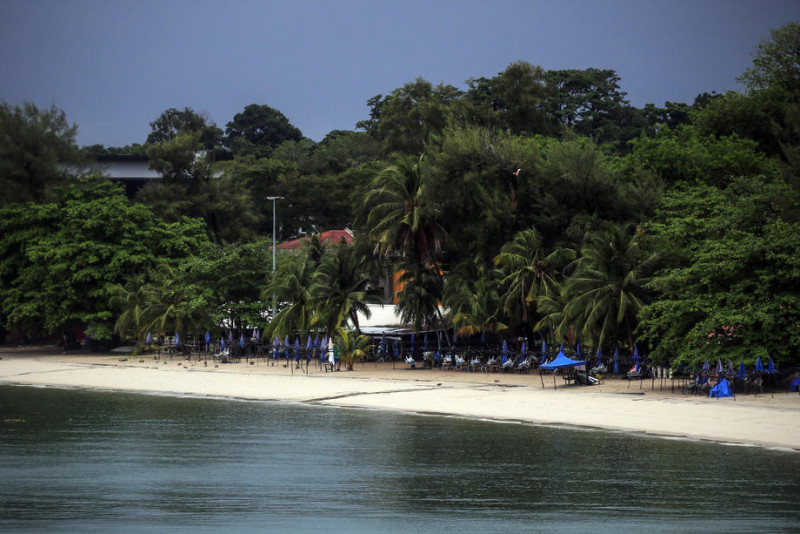
Beaches remain pleasant in places, local food is reliably good, and pockets of authentic Malaysian character persist, yet the overall product feels dated compared with more dynamic regional peers.
Port Dickson has become a shadow of the destination it was meant to be.
This decline is particularly regrettable given Malaysia’s broader tourism momentum.
The country continues to record strong growth in arrivals and needs additional, diversified offerings to sustain that momentum.
A well-managed coastal cluster near the Klang Valley could support a mix of mid-range resorts, boutique hotels, and a vibrant ecosystem of micro, small, and medium enterprises in food and beverage, water sports, guided activities, and retail.
Family-oriented travellers who currently make the longer journey to Hat Yai for a weekend break represent a ready market that Port Dickson could capture with better facilities and marketing.
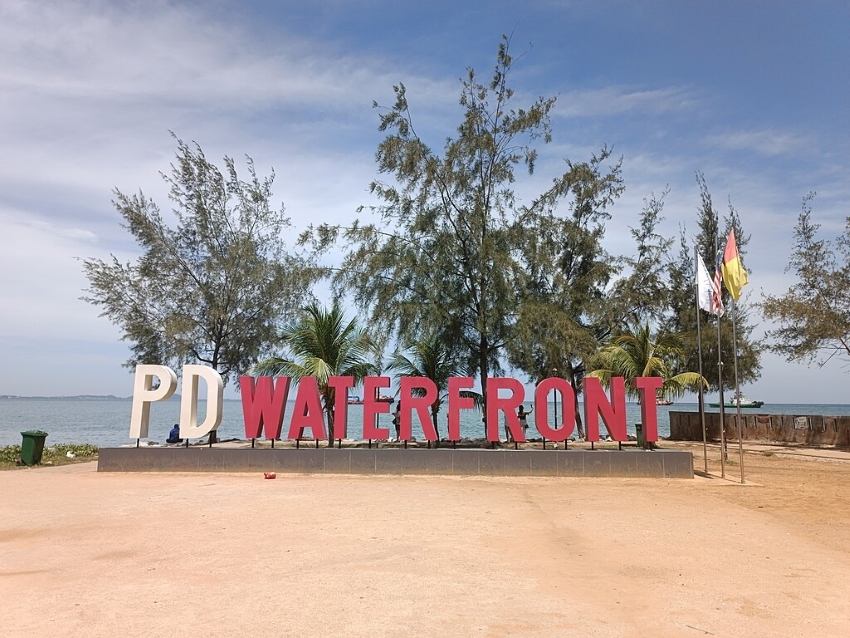
The economic case is compelling.
Targeted redevelopment that attracts entrepreneurs focused on sustainable, boutique-style tourism would generate a substantial multiplier effect.
Spending by overnight visitors supports not only hotels but restaurants, transport providers, local suppliers, and service businesses.
Lessons from Melaka’s old town demonstrate what focused investment and consistent place-making can achieve. Melaka Old Town, once a previously underutilised historic area, became a major draw through careful restoration, cultural programming, and support for small operators.
Port Dickson already possesses the raw ingredients with a beautiful coastline, proximity to a major airport and a large urban population, and an existing (if faded) resort infrastructure.
Recent policy signals offer grounds for optimism.
Plans for a tourism and services corridor, coastal special area projects, and initiatives under Visit Negeri Sembilan aim to upgrade facilities and introduce new attractions.
Sporting events, improved beach management in selected spots such as Blue Lagoon, and discussions around marina development and better connectivity point toward possible revival.
Yet success will depend on execution: cleaning and maintaining beaches consistently, encouraging mixed-use development that avoids the earlier pattern of isolated high-rises, fostering local entrepreneurship, and creating year-round reasons to visit rather than relying solely on weekend peaks.
With vision and coordinated effort from authorities, investors, and communities, Port Dickson could re-emerge as a preferred short-break destination for the Klang Valley and surrounding hinterland while also appealing to international visitors transiting through KLIA.
It need not compete head-on with island destinations or far-flung beaches.
Port Dickson’s strength lies in convenience combined with a refreshed coastal experience.
Realising that potential would not only restore a once-promising resort town but also deliver tangible local economic growth through jobs, business opportunities, and a stronger tourism cluster.
The customers and the location are already there.
What remains is the determination to turn accessibility into lasting appeal. – September 8, 2026