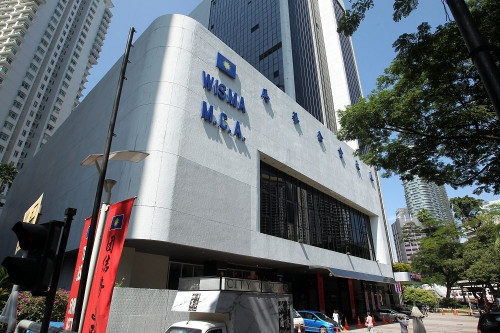
MCA is heading into the Melaka state election with just two seats to contest, down from seven in 2021, in a setback that has brought its standing within Barisan Nasional into question.
The party has retained Machap Jaya and Klebang, the two constituencies it won at the previous election. The other five seats it contested have been allocated elsewhere.
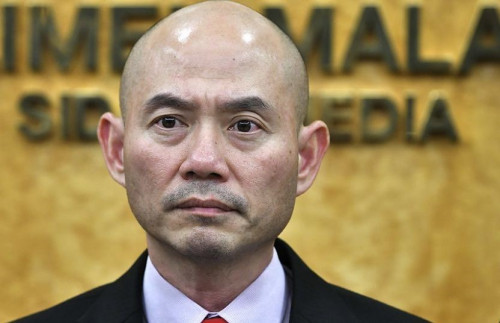
The decision triggered an open protest from MCA president Datuk Seri Dr Wee Ka Siong, who walked out of BN’s candidate announcement on Oct 24 alongside deputy president Datuk Dr Mah Hang Soon and other party leaders.
Wee said MCA had been caught off guard by the announcement and had not been properly consulted over the redistribution of seats.
He insisted that the party would not accept decisions made on its behalf without its consent.
“We are allies, not enemies,” he said, calling for MCA to be treated with respect.
The dispute has put BN’s internal negotiations under an uncomfortable spotlight. MCA has been part of the coalition for decades, but its reduced allocation raises questions about how much leverage it retains when the leadership decides how seats are divided.
The numbers are stark. BN will contest 21 seats, with Umno taking 18, MCA two and MIC one. Another seven seats have been allocated to PAS and BN’s strategic partners.
Melaka BN chairman Datuk Seri Ab Rauf Yusoh initially declared the allocation final, saying negotiations had been completed and there was no overlap between the parties.
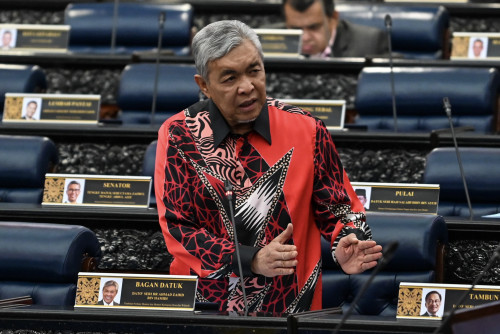
That position contrasted with BN chairman Datuk Seri Dr Ahmad Zahid Hamidi’s subsequent assurance that the list could still change.
Zahid said on Oct 25 that he had yet to sign the candidate endorsement letters and that the dispute would be discussed before nomination day on Oct 31.
The door remains open for negotiations, but MCA has yet to secure any change to the announced allocation.
For the party, the issue goes beyond losing five constituencies. Both seats it has retained are held by its incumbents, leaving MCA with no additional ground on which to expand its representation in the state assembly.
The episode also raises a broader question about the balance of power within BN as Umno pursues cooperation with PAS.
The allocation of seven seats to strategic partners, compared with MCA’s two, illustrates the competing demands the coalition is attempting to manage.
It does not, by itself, establish that Umno is deliberately sidelining MCA.
But the public disagreement over consultation has exposed a clear divide between the coalition’s claim that negotiations are settled and MCA’s insistence that its agreement was never properly obtained.
Wee’s protest has made that divide difficult to ignore. MCA now faces the task of convincing the coalition leadership that its interests deserve greater consideration, rather than accepting an arrangement it says was imposed without its consent.
The comparison with Gerakan, which is aligned with PAS in Perikatan Nasional, could add to the scrutiny if it is offered seats in Melaka.
Any comparison would need to account for the different coalitions involved, but it would raise further questions about MCA’s place among parties competing for support from Chinese voters.
For BN, the immediate challenge is to resolve the dispute before nomination day. For MCA, the stakes are wider: whether it can still influence decisions within the coalition or whether its role is increasingly confined to accepting arrangements determined by others.
The final seat allocation will provide the clearest indication of whether MCA’s protest has translated into meaningful concessions — or whether the party will have to contest the election with the two seats it was initially given. - October 26, 2026