
GEORGE TOWN – The recent deaths of three students from carbon monoxide (CO) poisoning as they were napping in a car could have been avoided if there was better public awareness on the dangers of leaving an idle vehicle’s engine running, said the Malaysian Institute of Road Safety and Research (Miros).
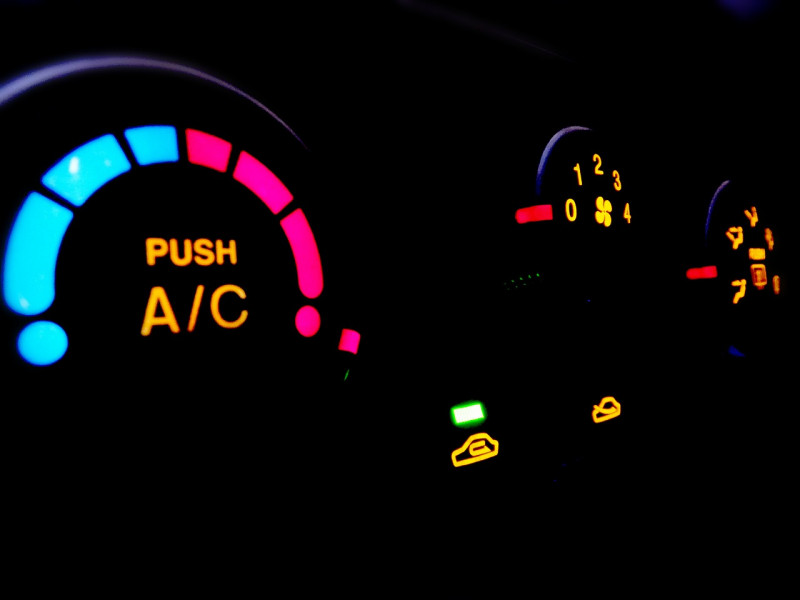
A car’s air-conditioning unit is designed to suck in air from the outside, and when it is turned on, CO emissions from the engine of a stationary vehicle can easily build up inside.
“It can be fatal if the engine is kept running for too long and the passengers in the car fall asleep with the windows up. They unknowingly inhale the polluted air,” said Miros chairman Datuk Suret Singh.
“I am saddened by the incident where three college students died of suspected CO poisoning. I hope there won’t be a recurrence.”
In the September 16 incident in Seberang Jaya, four female students, all aged 21, parked their car at a petrol station along the North-South Expressway near Permatang Pauh after a picnic in Pulau Jerejak. They were on their way home to Sg Petani and Bedong in Kedah.
They napped in the vehicle with the air-conditioning unit switched on and windows up.
Sharifah Fariesha Syed Fathi died in the car, while Ayuni Shazwanie Shabri was pronounced dead at Seberang Jaya Hospital the same day.
Nor Adilah Mohd Safwan died a day later at Kuala Lumpur’s Tuanku Mizan Military Hospital, where she was rushed to as the facility is equipped to deal with toxic gas inhalation.
The sole survivor is Nor Adilah’s twin sister, Nor Aqilah, who was put in a medically induced coma for a week at the same hospital.
A technician called to the scene discovered a leak in the car’s exhaust system, and police believe this to be the cause of the three women’s deaths.
CO in excessive amounts is not only harmful to human health, but also the environment – it is one of the contributors to global warming, an increasingly pressing issue for countries worldwide.
Suret highlighted a regulation in the Environmental Quality Act 1974 that bars motorcyclists from keeping the engine running if the vehicle is stationary for more than three minutes in an enclosed or partially enclosed public space, saying it is aimed at reducing CO emissions.
Malaysia has witnessed several fatalities involving CO inhalation, he said, including children who were left in cars for prolonged periods.
It is difficult for the gas to build up inside a moving vehicle, he said, while a faulty exhaust system in an idle car that has its engine running increases the probability of CO poisoning.
He urged people to have their vehicles serviced according to schedule to ensure no such issues. – The Vibes, September 27, 2020
.jpeg)





.jpeg)