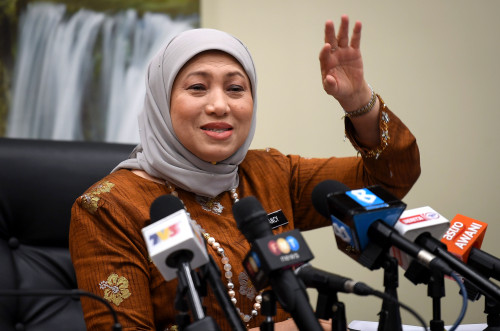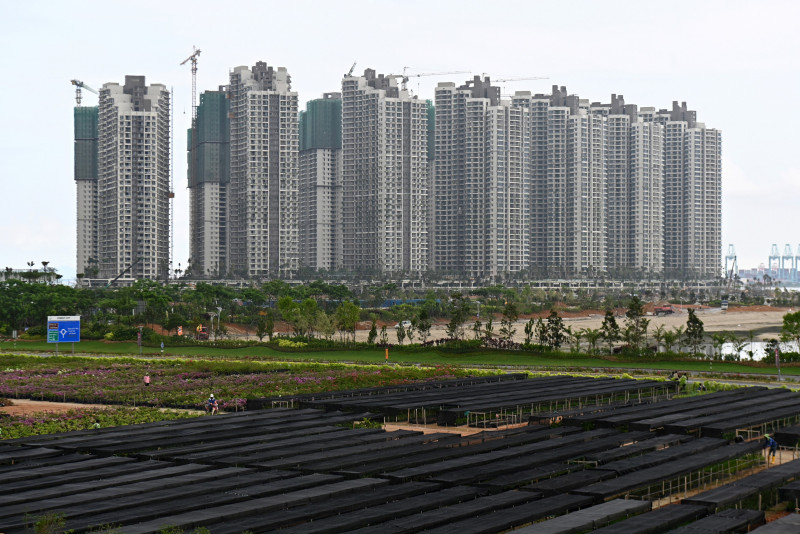

KUALA LUMPUR – A vacancy tax was mooted in recent weeks by Housing and Local Government Minister Zuraida Kamaruddin to address the issue of property overhang, targeting luxury units priced north of RM500,000.
This came about after Bank Negara Malaysia Financial Surveillance Department director Qaiser Iskandar Anwarudin last October said houses in the country were “seriously unaffordable”.
He pointed out that the average price of newly launched units was RM 417,262 – out of reach for most Malaysians – while an affordable home would cost RM282,000 at most.
Meanwhile, a 2017 study by HSBC Bank found that only 35% of Malaysian millennials, or those born between 1981 and 1998, could afford their own homes, while the majority of the remainder aimed to make a purchase within five years.
With the Covid-19 pandemic wreaking havoc on the economy and sending the unemployment rate soaring, is the proposed tax actually able to help the average citizen, and can it effectively tackle the property glut?
Misdirected policy?
The tax’s application differs from country to country. In Australia, it is a A$5,600 (RM16,800) tax imposed on foreign owners of houses valued at below A$1 million that are not occupied or rented out for more than six months.
In Singapore, foreign developers are charged a levy for properties that are unsold two years after they are ready, at a rate of 8% for the first year of extension, 16% for the second and 24% for the third. The amount takes into account the price paid for the land and the percentage of unsold units.
Zuraida’s proposal is similar to the vacancy tax imposed in Singapore, in that it would apply to developers – including locals – and not individuals.
The minister had argued that empty properties would not only attract vandals, but also suffer structural defects due to lack of maintenance.
However, the vandalism argument has been shot down by Parti Sosialis Malaysia’s (PSM) S. Arulchelvan, who told The Vibes that the issue does not arise as the units targeted by the proposal are high-priced ones usually marketed at foreigners.
“There’s an excess of luxury homes in the market, but there’s a higher demand for affordable housing.
“The government has been urged to build more affordable homes, but they are putting in place policies to help developers sell luxury units, including to foreigners who can afford these high prices.”
Too good to be true
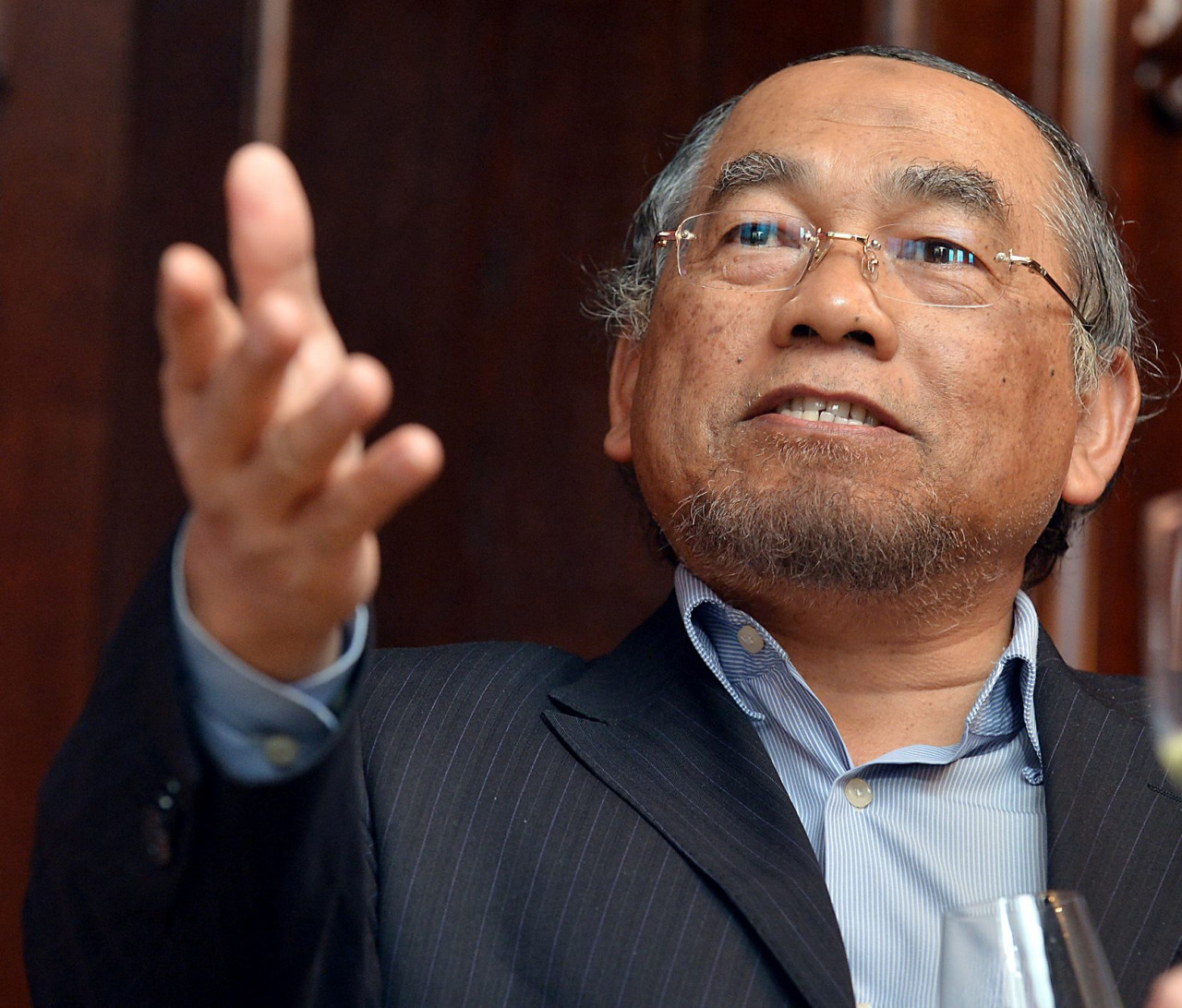
Property adviser Tim Wong cautioned against such taxes, as they could spur developers to offer deals that seem too good to miss.
At the end of the day, he said, buyers could find themselves in a financial pickle.
“Developers might come up with attractive promotions to entice people who, in actuality, can’t afford to buy the property.
“The government shouldn’t intervene in the property market. It should let developers decide how to sell unsold properties.”
On the other hand, Prof Barjoyai Bardai of Universiti Tun Abdul Razak believes that a vacancy tax will discourage developers from hoarding units and waiting for prices to climb before releasing them for sale.
“In the short run, developers will see their profits affected.
“But, it is good news for buyers. They will see cheaper homes as developers sell at lower prices to avoid the tax.”
Council housing a better alternative
The tax is meant to prompt developers to build fewer luxury homes and more affordable ones, and sell unsold units at lower prices.
A problem that selling for cheap poses is that the wealthy could hoard units as an investment. To avoid this, a better option would be for the government to provide more public housing.
“Despite the vacancy tax possibly lowering house prices, there’s a possibility of these units being hoarded by those in the high-income group,” said Arveent Kathirchelven of PSM Youth’s science and technology bureau.
He said this results in the average Malaysian being denied the opportunity to own homes.
“The vacancy tax may not be what we need,” said Arveent, adding that millennials, in particular, stand to benefit from council housing.
Deputy Federal Territories Minister Datuk Seri Edmund Santhara Kumar has said there is no need for a vacancy tax, but the matter will be studied.
Zuraida earlier this month said the tax is under review and unlikely to be imposed next year as previously suggested. – The Vibes, September 29, 2020





.jpeg)