


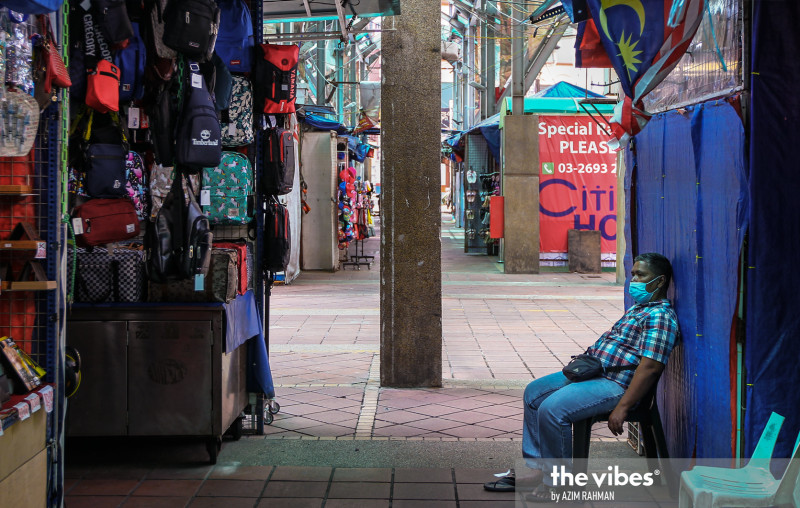

KUALA LUMPUR – The current virus-sparked lockdown has raised the spectre of desolation at the once-bustling Selangor Mansion in Jalan Masjid India, not long after it was once garrisoned by troops and surrounded by barbed-wire fences last year under the enhanced movement control order (EMCO).
As the newly reinstated MCO here enters its first week, traders on the ground floor of the dilapidated block of flats are lamenting the low customer turnout and dwindling sales, presenting a grim outlook of what lies ahead for their ailing businesses.
M.S. Kumar, 48, owner of traditional Indian textile, prayer and kitchenware store Arjuntha Textiles Sdn Bhd, said his business is again suffering due to the MCO, as he is forced to take textiles – his main product – off the shelves to merely keep the store open.
Kumar, an Indian citizen who has held permanent residence status in Malaysia for 29 years, said his shop is operating at minimum capacity, but he still struggles to pay his workers' salaries.
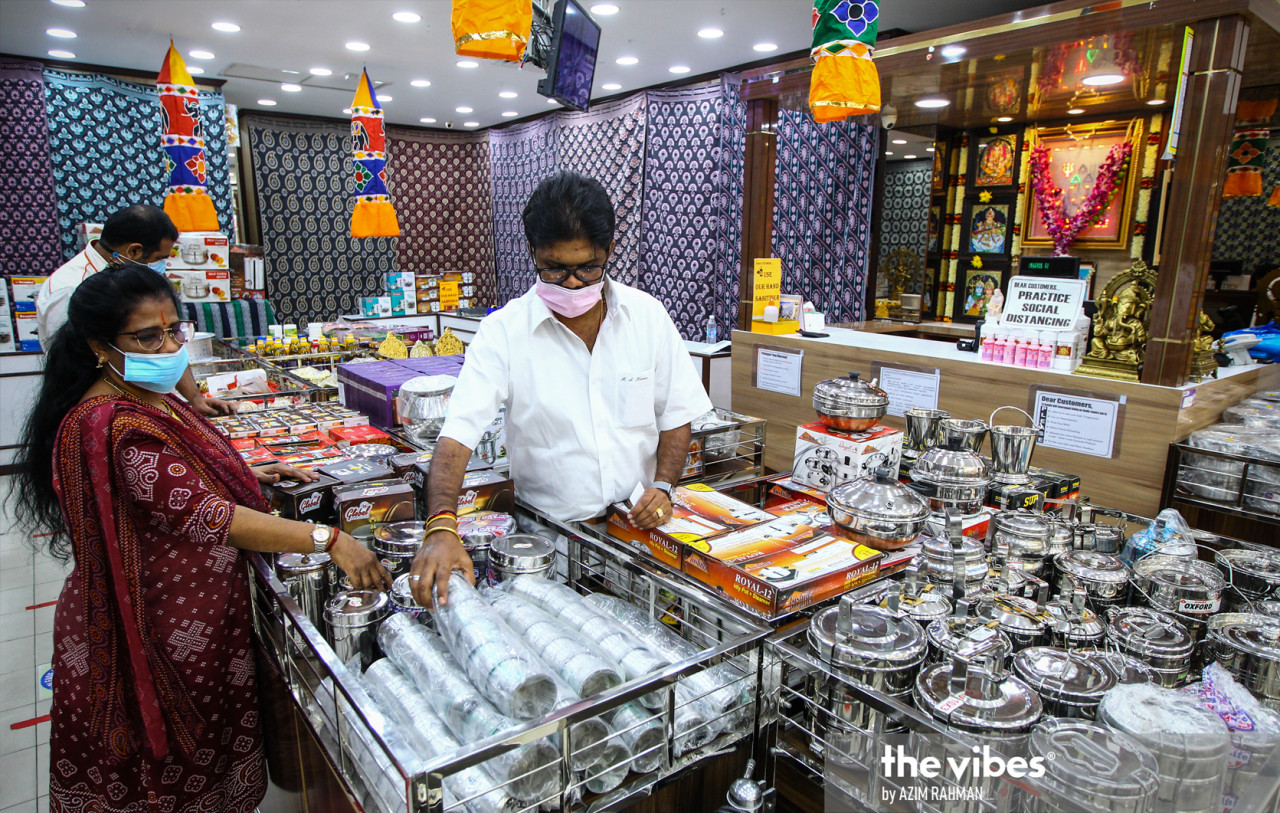
“We appeal to the government to help us. It should allow us to sell textiles,” he told The Vibes when met at the store recently, adding he is now only allowed to sell 30% of the items in stock.
“We understand the need to have another MCO due to the pandemic but we plead with the government to please help us.”
Under the International Trade and Industry Ministry's directives, textiles are not listed among the essential retail, distribution and wholesale services allowed to operate during the MCO.
The exclusion of textiles has led to the bulk of fully textile dependent businesses in the area, such as household names Jakel and Kamdar, to remain shuttered throughout the MCO.
Last April, authorities put more than 850 of Selangor Mansion's residents under EMCO, barricading the premises with barbed wire and disallowing entrance and exit to and from the building for several weeks.

The multi-agency raid also took place in early May, seeing some 180 residents – mostly undocumented migrants and refugees – being rounded up and placed in immigration detention centres.
Kumar said most of those arrested in May no longer live at Selangor Mansion.
Kumar, whose shop has been in operation there for 40 years, said the Bantuan Prihatin Nasional package started last year has helped him to stay afloat, but is not enough to keep his business running.
“The government must look into our livelihoods. It should open up (the textile) sector with more SOPs (standard operating procedures), which we will follow.
“I am now struggling to pay my bank bills.”
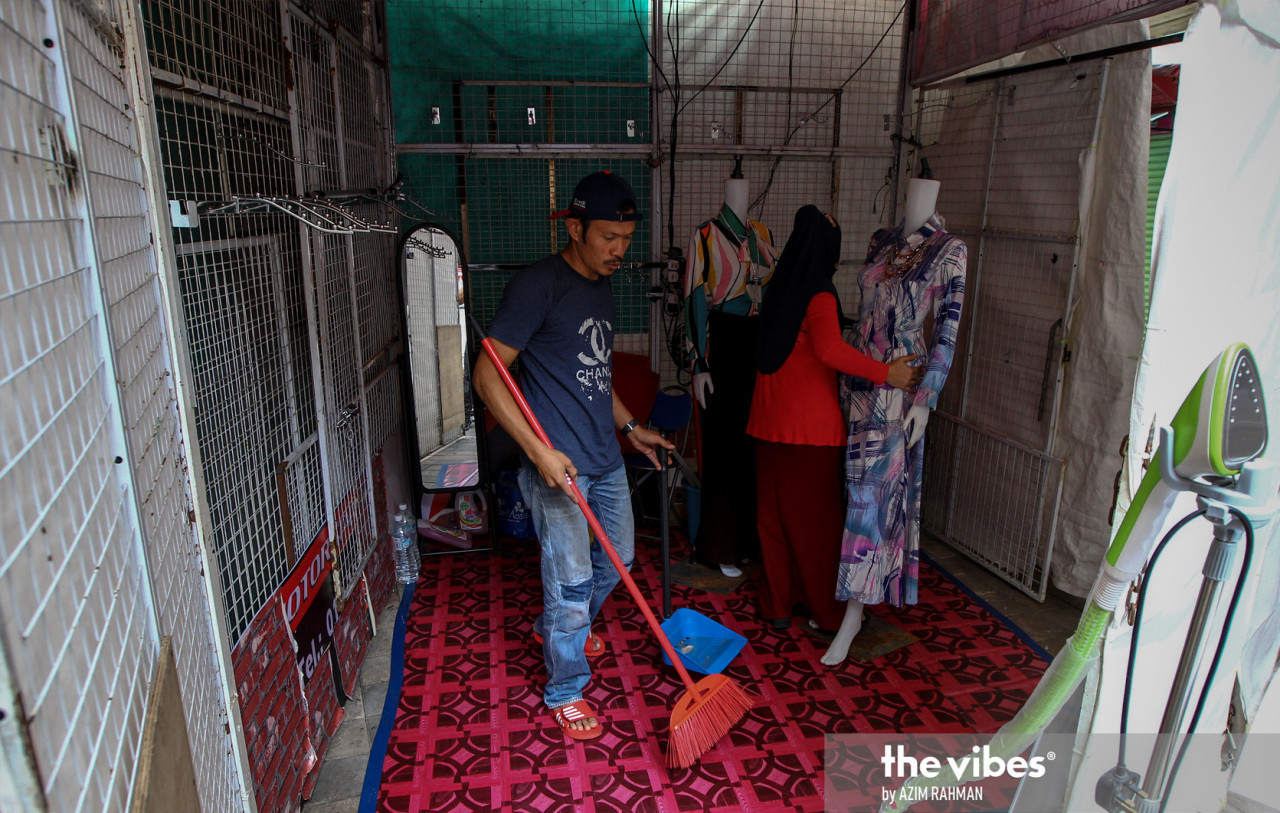
He said the automatic loan moratorium last year also helped with his finances, but this year, he needed to apply to continue with the assistance with the banks, which could still turn down his requests.
Additionally, Kumar said the government could also offer micro loans to help businesses ride out the pandemic.
Like Kumar, roadside porridge and milk seller Fatimah Abdullah, 56, said the current MCO is putting an immense strain on her livelihood.
Fatimah, who has been in the business for some 40 years, said she is seeing fewer than a quarter of her usual number of customers now.
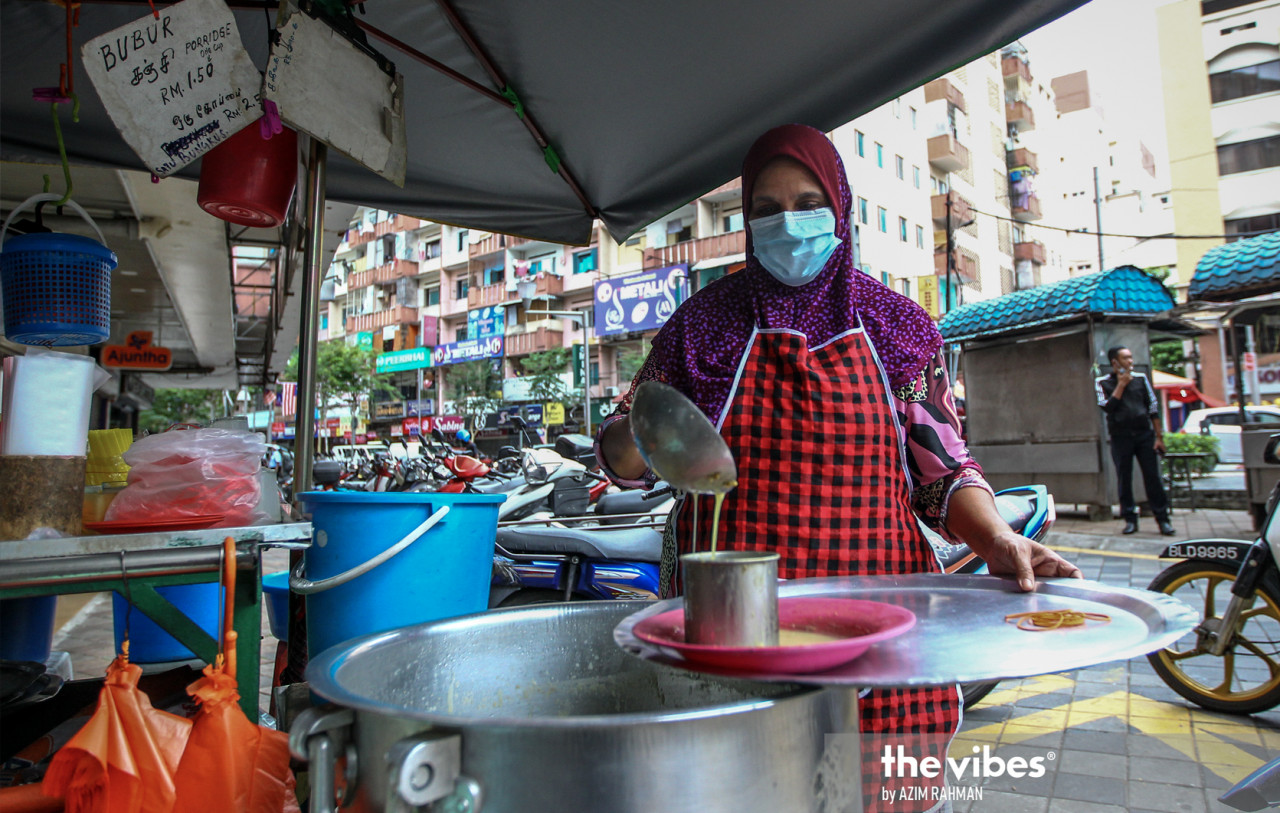
A serving of her porridge is only RM1.50, and Fatimah said she usually serves 500 to 600 customers a day.
“But now, to get even 100 (customers) is very difficult,” she said when met at her stall.
Faizal Sutan, 80, who runs a biryani stall at the Medan Bunus food court near Selangor Mansion, has likened the otherwise busy stretch to a “ghost town”.
“I support the government emergency and need to hold off a general election until things get better. There are many Covid-19 cases now, but things will gradually recover once the vaccine arrives and restrictions can be loosened.”
Aside from being limited to serving takeaway food, he is struggling to hire cooks for the stall.
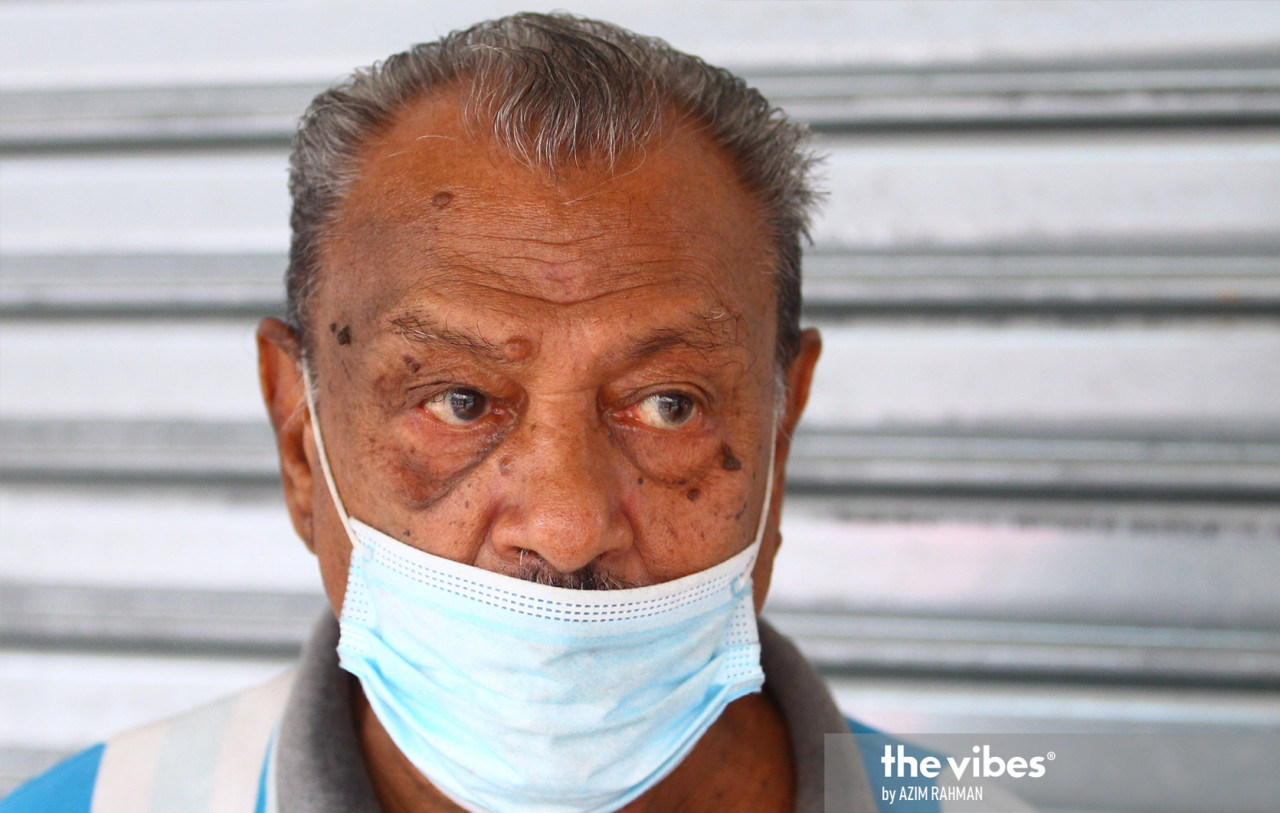
He said this is due to a shortage in manpower, especially among foreigners who left the area last year during and after the first MCO.
Faizal, who has been running the stall for five years, said locals demand around RM100 per day, excluding food and accommodation, which means he would have to spend upwards of RM3,000 per worker monthly.
“Foreigners, the ones who do not hold blue ICs (identity cards), only ask for RM80 per day.” – The Vibes, January 24, 2021

















.jpeg)
