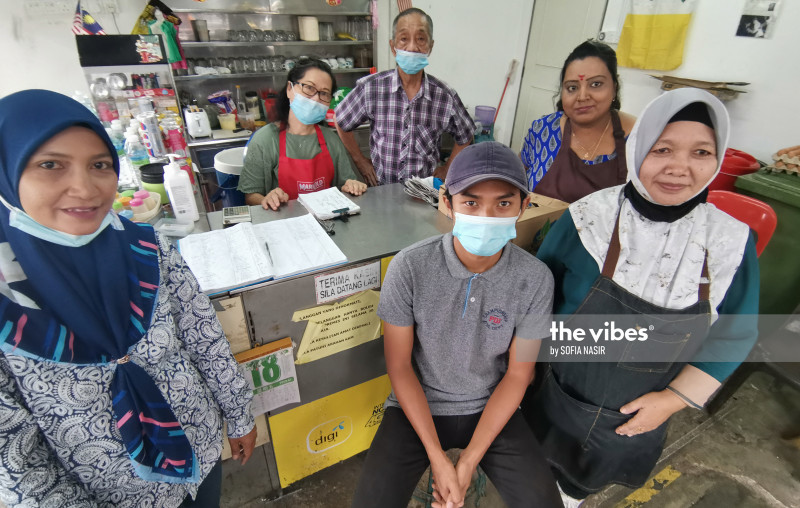
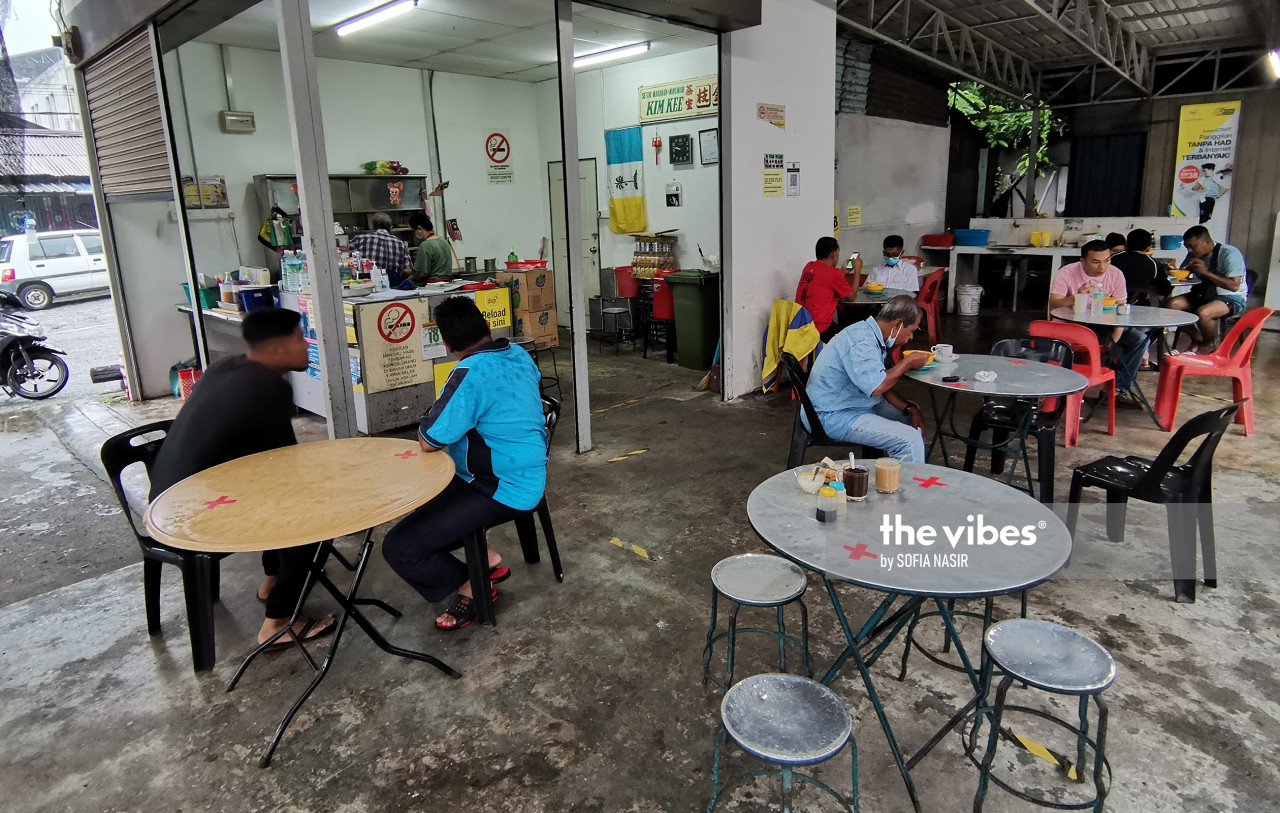
GEORGETOWN – The Poh Eng eatery in Gelugor here sells the usual hawker fare but what's unique is the representation of the three major communities of the country.
It consists of stalls selling Malay, Chinese and Indian dishes and the catch is this – the eatery has been in existence since the 1950s – signifying some six decades of togetherness in tandem with the country's Malaysia Day anniversary.
To cement its Malaysian culture, the descendants and associates of the founding stall owners continue to operate there.
Poh Eng eatery, built since the days before independence, is often called the "kedai muhibah", or eatery of unity, by the local community as it is made up of a Malay, Indian, and Chinese stall operator who do business together under one roof.
The owner, Tan Tek Seng, 73, said the idea to invite the Malay and Indian food traders to open up shop there was his late grandfather's, who wanted various kinds of dishes in his shop.
“My grandfather feels that everyone needs to be treated fairly. He also wanted his customers to get a variety of delicious dishes. So, I just continue what my grandfather has started. I am also happy to work together because we have been likened to a family, ” he told The Vibes, recently.
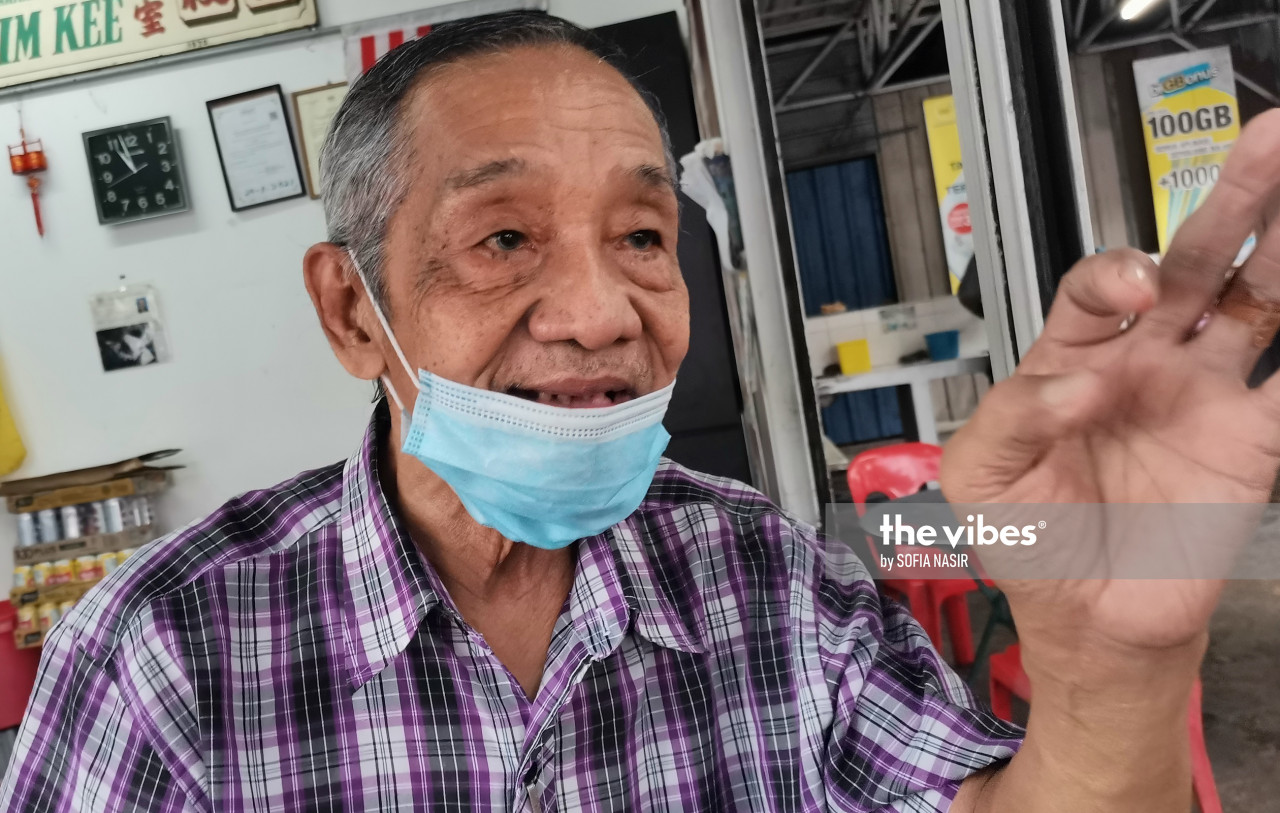
Tek Seng, who sells drinks and toast with eggs, said that customers would usually be surprised when they visit the restaurant with its diverse food options.
"They will usually say 'Aik, this is a kedai muhibah (unity shop)!'. We do not have to 'fight', everyone is there. 99 per cent of my customers are Malays. I myself do not know why they like to come," he said flashing a wide grin.
Apart from Tek Seng, the Poh Eng eatery also consists of Ketapang Soup stalls run by the family of Abdul Robie Hakim Abdul Fatah, 21, thosai and appam stalls by M Suganthi, 37, and nasi lemak stalls by Rozoh Zakaria, 38.
Abdul Robie said that the Poh Eng restaurant taught him to appreciate the bond of brotherhood and unity that Malaysians enjoy.
"I feel excited, especially when looking at diverse customers who sit together to eat our food. I am thrilled."
Abdul Robie, who is also a student of University of Teknologi Mara (UiTM) Johor, said that he considered the other traders as family because he was also raised there.
The Ketapang Soup stall serves ‘th'ng’ noodle soup, among other varieties.
Meanwhile, Suganthi said Indian food is now world-famous and no longer only enjoyed by people of Indian origin.
"Most of my clients here are Malays. In fact, all communities eat here because many loves to eat Indian food," she said.
Suganthi said that the Poh Eng shop is popular in Gelugor because it is the one of the first coffee shops that opened in the area.
“My father-in-law often talks about this restaurant and now I do business here. I am lucky to know Uncle Tek Seng, he is a kind man and we are like family,” she said.
Former Batu Uban assemblyperson S. Raveentharan praised this concept, and hoped that it can be replicated in other food courts throughout the state.
"We need to be grateful that our multi-ethnic identity has been preserved over the years. It is a selling point to lure tourists and investors alike," he said.
Indeed, the 'kedai muhibah' is symbolic of our country's unity – as Raveentharan puts it, "a family that eats together, stays together." – The Vibes, September 29, 2020










.jpeg)