KUALA LUMPUR – Registration for Covid-19 vaccinations in Malaysia, which is expected to begin soon, should be simple, people-friendly and accessible to all levels of society, say medical experts.
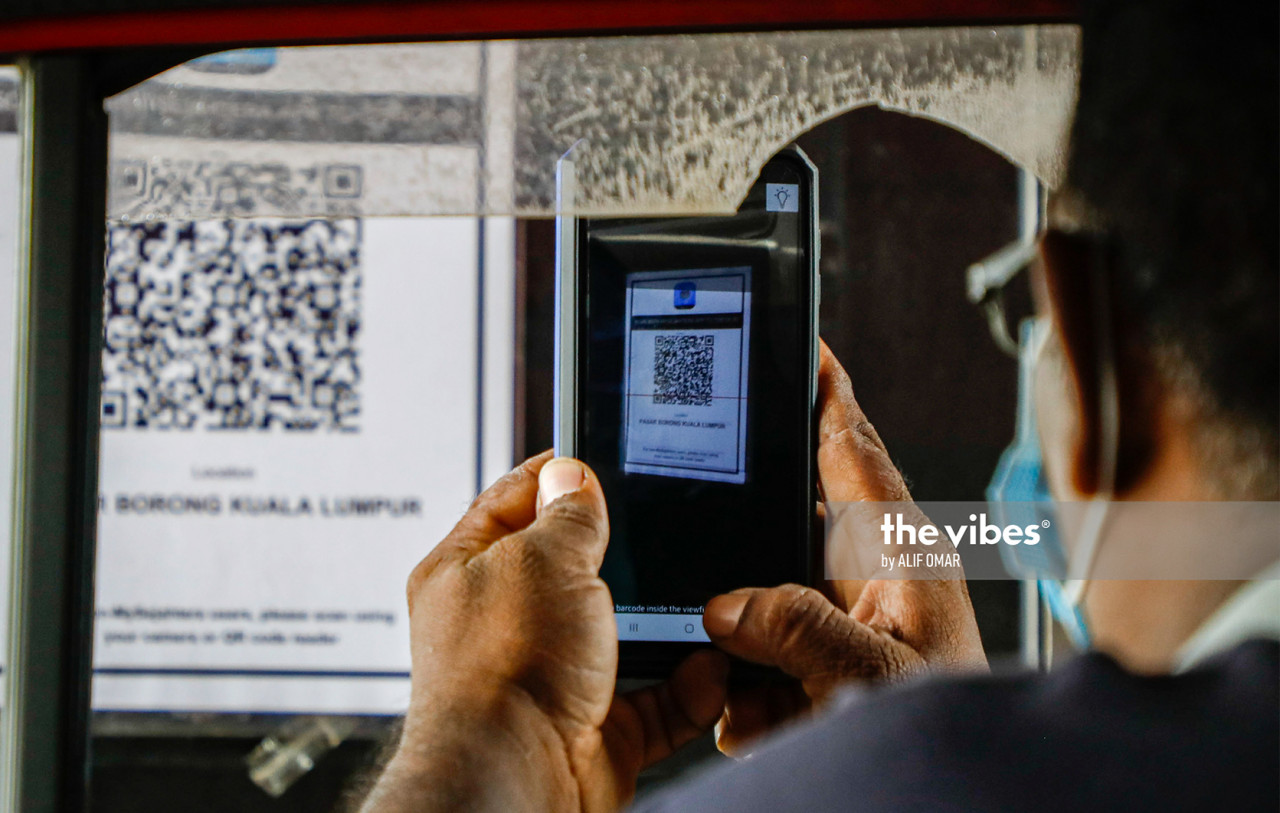
Apart from MySejahtera, they suggest that other methods also be considered, especially for those who do not have access to the app.
President of the Malaysian Association of Public Health Physicians, Datuk Dr Zainal Ariffin Omar, said this should include manual form completion for those in rural areas with no internet access.
He said it is not difficult to disseminate information about the vaccination programme to rural residents, since there are government and ‘mobile’ clinics.
“Campaigns need to be conducted to ensure that residents know and are aware of the vaccination and the registration process...the village or surau committees can also help to pass on information and distribute the forms.
“Meanwhile, government clinics, especially in rural areas, can also play a role by contacting patients and providing them with the forms,” he said when contacted by Bernama.
Public health physician at the Department of Medical Microbiology, Faculty of Medicine and Health Sciences, Universiti Putra Malaysia, Assoc Prof Dr Malina Osman, said that based on her experience, clinic records could be used to register the names of potential recipients.
“Through this method, the government can facilitate those who do not have internet access and also those who do not know how to register online,” she added.
She said that apart from MySejahtera, Putrajaya should also set up a special website to make it easier for Malaysians to register for Covid-19 vaccination.
“Generally, I think online registration is easy...take for example the online census, maybe the government can use the same method,” she said.
Dr Malina said the government should also take into account people whose citizenship status was unclear, saying that a multi-agency effort was needed to ensure no one is left out, especially those at risk.
“We know that the vaccine will be given to those aged 18 and above, but there are still those facing issues with the status of their citizenship, and the matter should be taken into account,” she said.
Meanwhile, Director of Universiti Malaya’s Tropical Infectious Disease Research and Education Centre, Prof Dr Sazaly Abu Bakar said registration should be done in stages to avoid technical problems on the MySejahtera app.
He suggested that registration be conducted zonally, to make it more orderly and systematic.
“The most important thing is that MySejahtera ‘servers’ have a high capacity. The registration can be done by zones, like in Peninsular Malaysia, it can be divided into three or five zones, as well as in Sabah and Sarawak,” he added.
Apart from that, Dr Sazaly said the vaccine could also be given in stages, for example, starting with red zones.
On the elderly, who may not be familiar with the app, he said their children should help them to register.
On February 4, Prime Minister Tan Sri Muhyiddin Yassin said the National Covid-19 Immunisation Programme would start at the end of this month, with the government targeting 80% of the country’s population or 26.5 million people to receive the vaccine, which will be given free, in three phases.
The first phase is from February to April for a total of 500,000 frontliners who are directly involved in the fight against Covid-19.
The second phase is from April to August for high-risk groups, including senior citizens aged 60 and above and vulnerable groups with health risks such as heart disease, obesity, diabetes and high blood pressure, as well as the disabled.
The third phase, which is from May this year to February next year, is for adults aged 18 and above. – Bernama, February 11, 2021