


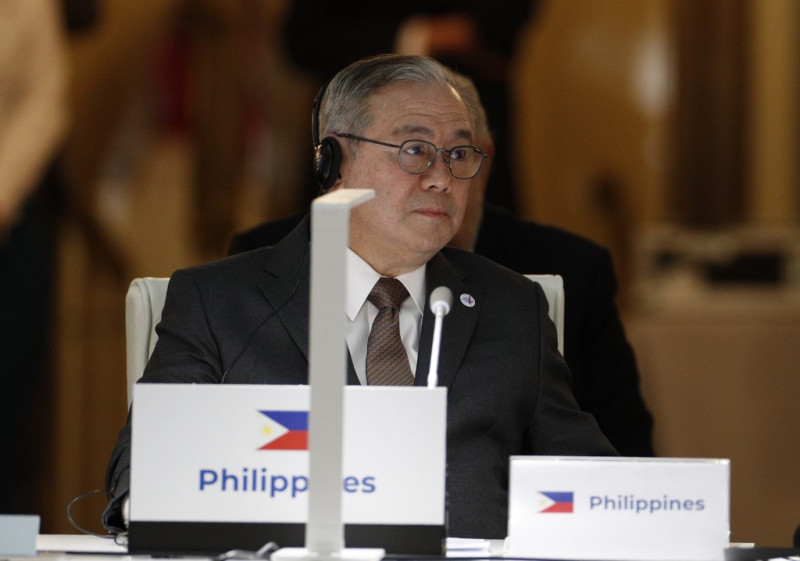

KOTA KINABALU – The Philippine claim on Sabah is nothing more than a ploy to drum up voter support in the southern part of the archipelago, said political pundits.
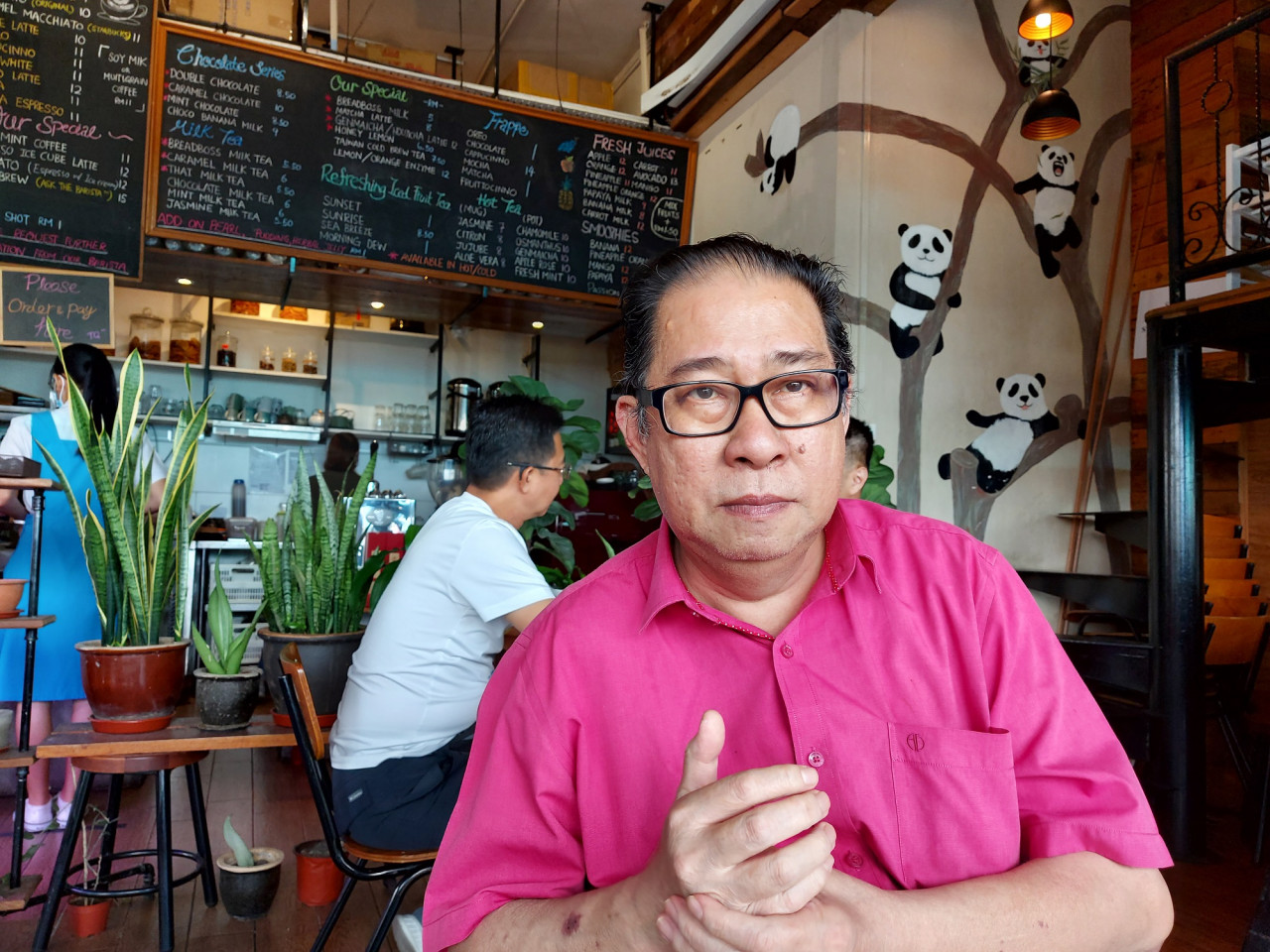
Zainnal Ajamain, a historian and Sabah state adviser on the Malaysia Agreement 1963, said Manila’s claim, as declared by Foreign Secretary Teodoro Locsin Jr, is based on the Sulu Sultanate, which became defunct after Sultan Jamalul Kiram II died in 1936.
“The sultan actually died without any heir in 1936. There were no more heirs to the Sulu Sultanate, but they continue with their claims. Most of their claims have already been overtaken by events.
“First, there were the Spaniards, and then, the Americans. And then, the Americans and the British negotiated for a boundary to split between Borneo and the Philippines, especially the boundary of the Philippines, so that has been set since the 1930s.
“So, what claim are they talking about? They are supposed to provide the original letter of the agreement. The letter is neither in the US, nor in London. It’s lost. As it is now, you can’t claim on lost documents.”
At the same time, any claimed political sovereignty was formally abolished in 1915, despite the fact that the royal family were still recognised and honoured as such by the Sulu community.
After Jamalul Kiram II’s death, however, his younger brother, Sultan Bomid-Din I, was proclaimed ruler through a direct vote by his people.
Unfortunately for the dynasty, the Philippine government decided not to officially recognise the Sulu Sultanate after Jamalul Kiram II’s death.
British annexation of Sabah
After the chaos that was World War II, Sabah was annexed by the British Crown as part of King George VI’s dominion and became a British colony.
On January 22, 1878, the Sulu Sultanate and the North Borneo Chartered Company (NBCC), represented by Alfred Dent and Baron von Overbeck, signed an agreement stipulating that North Borneo (Sabah) was ceded or leased (depending on translation) to the British syndicate.
The sultanate was supposed to receive 5,000 Malayan dollars annually.
On July 15, 1946, said Zainnal, NBCC’s ownership of Sabah was transferred to the British war administration as the former was unable to manage the territory.
“The British Crown took over. This is the interesting bit; they passed an Order in Council by the king. It was King George VI.
“When they passed the Order in Council, it was not a secession. It was an annexation. There’s a major difference between secession and annexation. Secession means you give it over. Annexation means you take over. You conquer the state.
“That means Sabah becomes part and parcel of the British dominion – meaning Sabah becomes part of Britain. So now, there are no more claimants. If you still insist on claiming, you have to file your claim in London. Not in Kuala Lumpur. Not in Sabah.”
Election tactic
Singapore Institute of International Affairs senior fellow Oh Ei Sun said Manila makes the same claim whenever a presidential election is around the corner.
The next polls are set to be held on May 9, 2022, the Philippines’ 17th direct presidential election since 1935.
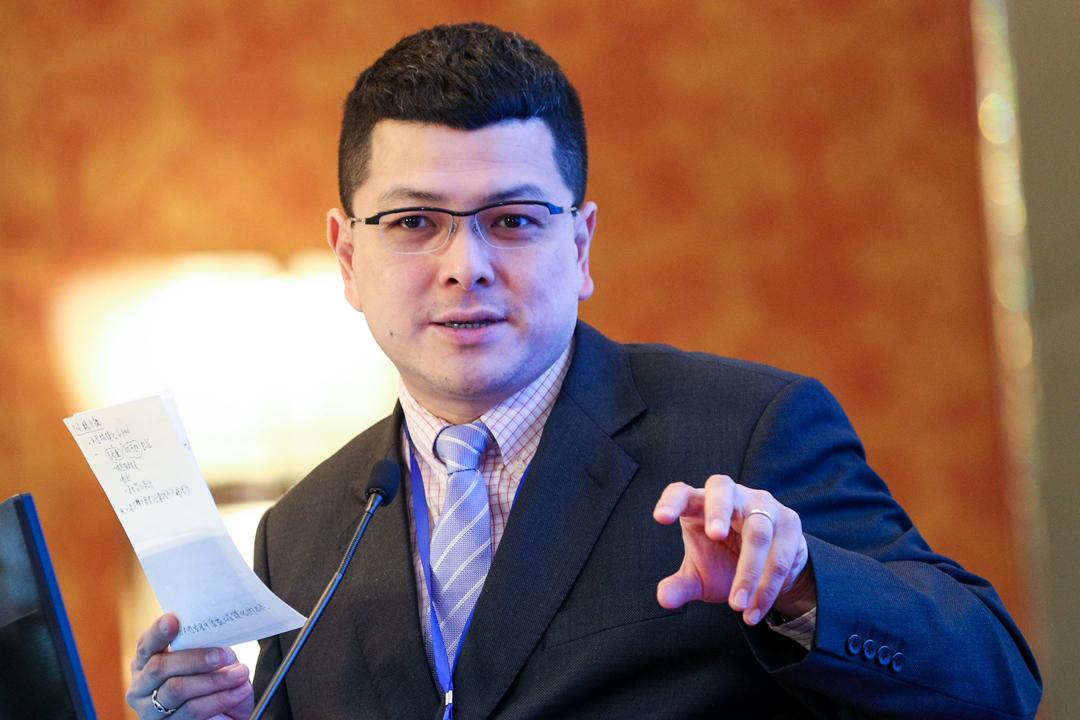
“Every election cycle there, they will resurrect this issue. I mean, are they serious about it? Yes, they are, but I think not to the extent that they will happily jeopardise their quite cordial relations with Malaysia,” said Oh.
“So, they make these demands, they will speak on this issue and so on, but these two countries won’t go to war over Sabah.”
Zainnal agrees with Oh’s assessment of Locsin Jr’s strategy, but is highly critical of the Malaysian Foreign Ministry’s response to the Philippines’ incessant claims.
“It’s just politics because they are also looking at the upcoming election. But what I don’t understand is this – after 57 years, Wisma Putra is still not saying anything different. Why?
“What Wisma Putra should say is, look, we have done our research, it was an annexation in 1946. You are no longer entitled to claims. That’s it.”
Is Manila beating a dead horse?
In 2016, when Rodrigo Duterte was the Philippines’ incoming president, he voiced his intention of claiming Sabah.
However, an article by academic Paridah Abd Samad in the New Straits Times on May 30 the same year explained that two former Philippine presidents had already acknowledged Malaysia’s claim on the state and retracted their own.
The first was 11th president Corazon Aquino, who amended the first article of the 1973 constitution in 1987.
She had lived up to the promise made by her husband, former senator Benigno “Ninoy” Aquino Jr, to Malaysia before his assassination on August 21, 1983 that the Philippines would drop its Sabah claim in exchange for support to oust 10th president Ferdinand Marcos.
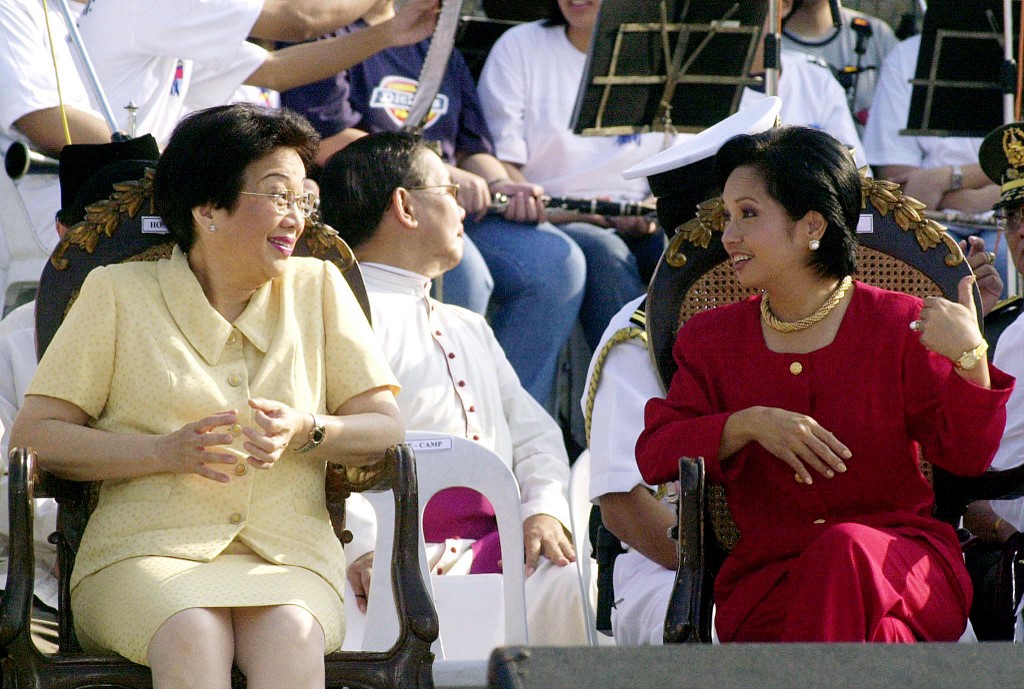
“Aquino had no choice but to honour her husband’s commitment to Malaysia because she needed support from Asean nations to legitimise her ascendancy to the presidency through the People Power Revolution,” said Paridah.
“The 1987 constitution amended the first article of the 1973 constitution and removed the phrase ‘and all other territories belonging to the Philippines by historic right or legal title’.
“The 1987 constitution revised the definition of Philippine territory and deleted Sabah as a historic claim backed by the legal title pertaining to the Sulu Sultanate.”
Similarly, she said, on March 10, 2009, 14th president Gloria Arroyo signed the Republic Act 9522, an amendment to the Republic Act 5446, that removed the mention of Sabah or North Borneo in the Archipelagic Baselines of Philippine law.
“The amended law removed Section 2 of the 1968 law that included the phrase ‘the territory of Sabah, situated in North Borneo, over which the Republic of the Philippines has acquired dominion and sovereignty’.”
Commenting on Paridah’s observations, Zainnal said the two former presidents knew the hopeless nature of claims on Sabah, especially since Sabahans themselves voted to be part of Malaysia in 1963.
Bilateral cooperation should be focus
Instead of being at loggerheads over Sabah, said Oh, the Philippines should focus on cooperating with Malaysia to increase the prosperity of both countries, particularly the economy of southern Philippine islands.
“In fact, if you look back at 2013 during the Sulu invasion of Sabah, the Malaysian and Philippine governments both condemned it. And, both countries’ navies helped each other. That should be the kind of spirit we build.
“The two countries should... utilise the Brunei-Indonesia-Malaysia-Philippines East Asean Growth Area to develop southern Philippines and Sabah.
“Once these regions are prosperous, you will have less conflict. There will not be piracy or incursion problems anymore because they are prosperous.
“That’s what the two governments and private sectors should focus on.” – The Vibes, September 21, 2020












.jpeg)
