
KUALA LUMPUR – Although a vast plethora of information is available in the palms of our hands, experts are still resorting to webinars to convince the masses to get their Covid-19 vaccinations.
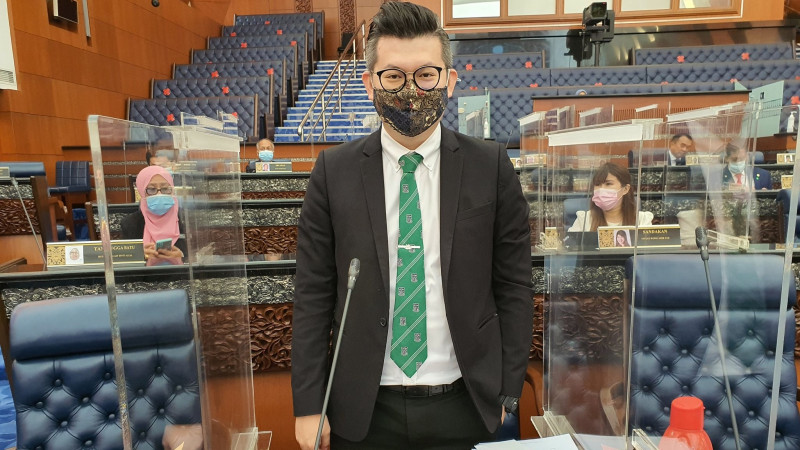
Dr Kelvin Yii, who is Bandar Kuching MP and chairman of the Parliamentary Select Committee on Health, Science and Technology, said that there has to be a distinction between anti-vaxxers and those refusing to take the vaccine due to lack of information.
He acknowledged that there are those who are concerned about the long-term effects of the vaccine and may want to wait until more data is available before getting immunised.
But he questioned how long they are willing to wait.
“How long are we going to wait? Are we going to wait for 10 years’ worth of data first?” Yii asked.
Yii said it would be impossible for people to be picky with the vaccines – placing trust only on the vaccines by Pfizer or AstraZeneca, for example – due to logistics.
“Based on the nation’s immunisation plan, the public has no choice with regards to the vaccines due to logistics.
“If let’s say everyone only wants a particular type of vaccine, it would be difficult for vaccination centres to handle because the Pfizer vaccine, for example, has special handling conditions,” said Yii.
He went on to emphasise that expectations must be managed, especially with regards to post-vaccination deaths.
Yii said it is possible that there may be people who die after taking the vaccine, but people need to look at the whole context, given that the deaths would not necessarily be due to immunisation.
When asked whether people should be punished for spreading misinformation on the vaccine, Yii said he believes it should be a last resort.
“Punitive action or punishment should be a last resort. We have to look at other ways to educate or counter fake news,” he said.
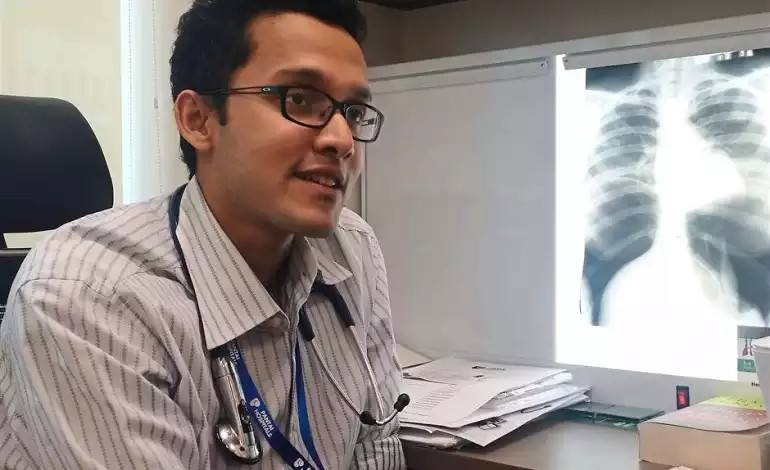
Meanwhile, Dr Helmy Haja Mydin, a consultant respiratory physician and head of the lung centre at Pantai Hospital Kuala Lumpur said that action should depend on who is spreading the misinformation.
“I think the approach should be different depending on who gave the ‘evidence’.
“If it was a doctor whose responsibility depends on evidence, we would need a different approach compared with a layman,” said Helmy.
Datuk Dr Musa Mohd Nordin, consultant paediatrician and neonatologist at KPJ Damansara Specialist Hospital, recommended that doctors who spread misinformation on the virus be reported to the Malaysian Medical Council (MMC).
“The MMC can investigate them and ask them for evidence of their claims,” said Musa.
On the issue of tackling vaccine misinformation in the general public, he said anti-vaxxers were small in number, despite being loud.
However, he expressed hope for the 10 to 15% of Malaysians who were hesitant on vaccines due to lack of information.
“If you are a rational person and you chat with them about the vaccine, I believe you can bring them on board.
Yii, Helmy, and Musa were speakers at a webinar titled “Covid-19 Vaccines: Doubts, Myths and Facts”.
The webinar, moderated by Azrul Mohd Khalib from the Galen Centre for Health and Social Policy, was co-hosted by the Galen Centre and Research for Social Advancement. – The Vibes, February 23, 2021
.jpg)

.jpg)