.jpg)

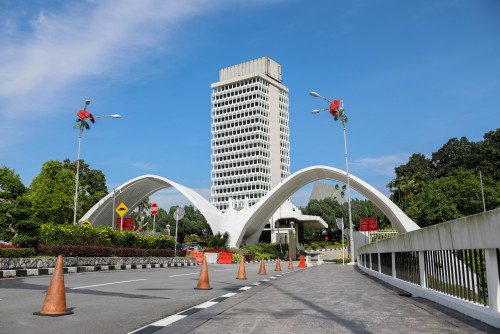
KUALA LUMPUR – Istana Negara’s announcement yesterday on Parliament being allowed to convene during a state of emergency falls in line with the federal constitution, law experts said.
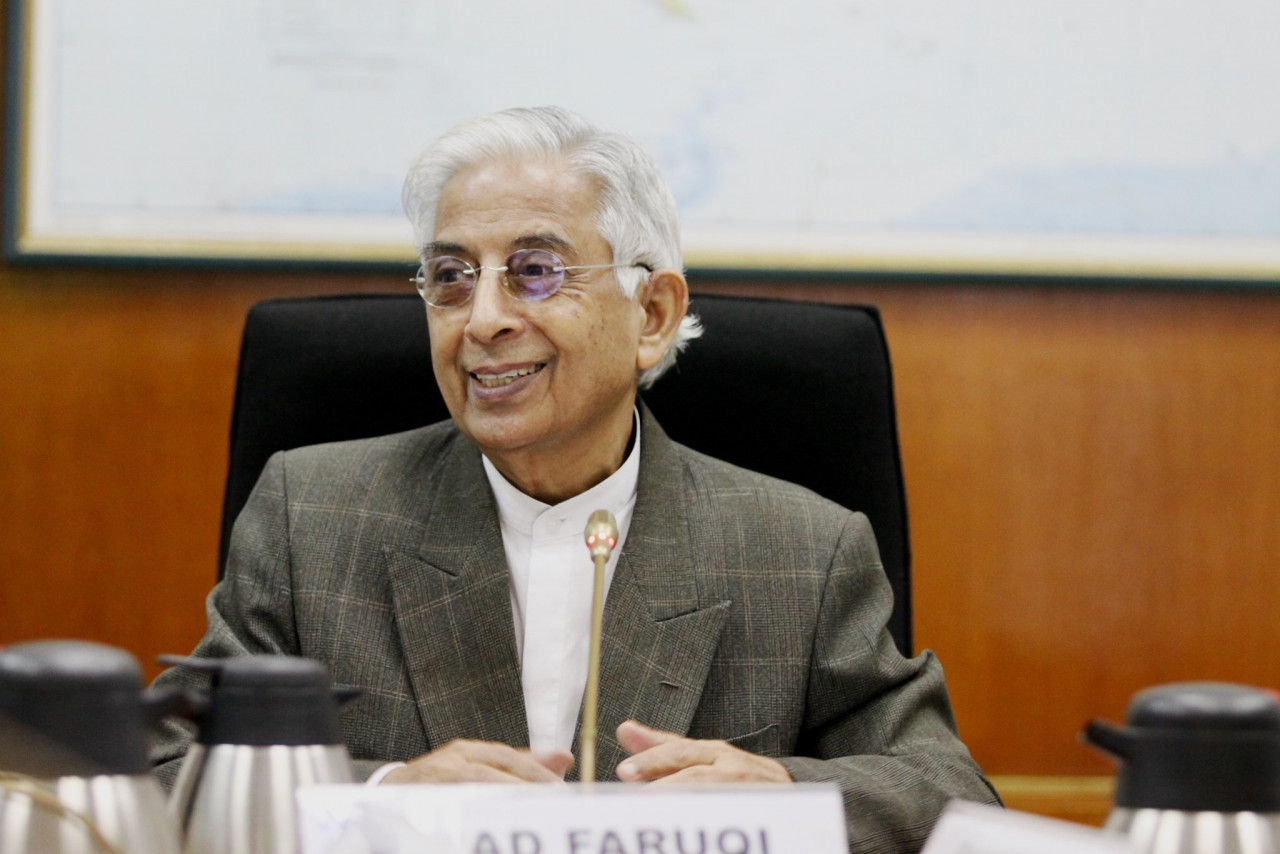
Constitutional expert Professor Emeritus Datuk Shad Saleem Faruqi of Universiti Malaya said the popular perception of Parliament being “sent off” while the nation is under emergency – as described by certain politicians – is “absolutely wrong”.
“There is no clause in Article 150 that states that Parliament cannot convene during an emergency,” he told The Vibes.
“The other thing is that the executive (branch) of the government has the power to have a prorogation of Parliament, and that is what has happened.”
He said that Article 150 of the constitution allows for an emergency to be proclaimed by the Yang di-Pertuan Agong under the advice of the prime minister, but the matter must be laid before Parliament, which has the power to reject emergency ordinances.
“The Agong accepts that Parliament has a role to play during an emergency, he also acts on the advice of the prime minister, therefore, the advice (in this case) was to have Parliament adjourned.
“So, this is quite in line with the constitution.”
When Agong deems fit
On how the emergency could have been declared last month without being tabled in Parliament, Shad said the Emergency Ordinance sets no time limit on the matter, although a decision needed to be “laid in Parliament within a reasonable amount of time”.
“This does not mean that there was a time frame on the matter, or that it should have been brought to Parliament within 24 hours of proclaiming the emergency, for example. It could mean that Parliament was sent on a ‘holiday’ before it could reconvene at a time that the Agong deems fit.”
He added that Parliament also has powers to amend laws during an emergency, as stipulated under clauses 5 and 6 of Article 150.
“Bear in mind, Malaysia was under a state of emergency from 1964 until November 2011, a total of 47 years.
“In this time, laws were amended and elections were held (unrestricted).”
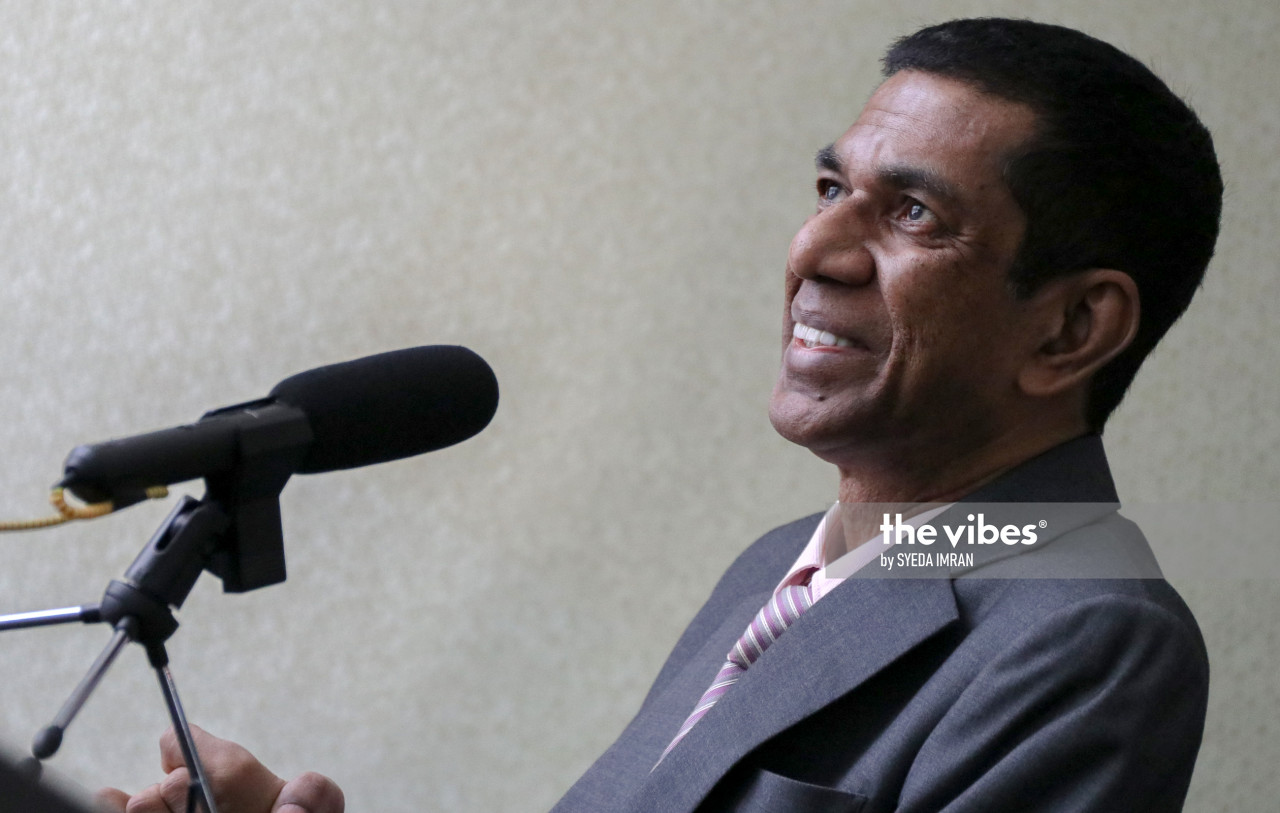
Constitutional lawyer Datuk Seri Jahaberdeen Mohamed Yunoos, meanwhile, echoed Shad’s sentiments, saying there is a widespread misconception that Parliament does not convene for sittings during an emergency.
“The constitution provides that, during an emergency, Parliament can convene and should convene in some instances,” Jahaberdeen said.
“In fact, the Emergency Ordinance that was passed recently calls for any proclamation to be tabled to Parliament at a reasonable time for the consideration of parliamentarians.”
‘Forgetting’ to revoke emergency
He said the Emergency Ordinance also allows the Agong to call for Parliament to convene or be dissolved.
“As Shad correctly points out, the past emergency was in place for 47 years because, after a long while, Parliament ‘forgot’ to revoke it.
“All the while, elections were held, and nobody realised that we were under an emergency.”
Jahaberdeen added that “reasonable and thinking” citizens, such as those from civil society groups and non-governmental organisations, tend not to support emergencies as it is believed they allow for draconian laws to be passed.
“Now, the government can pass any law without going to Parliament. But sooner or later, the emergency will be revoked upon the Agong’s discretion.
“If the Agong calls for it (revocation), it is well within the (bounds of the ) constitution and Emergency Ordinance.”
Yesterday, Istana Negara said Parliament was allowed to convene during the emergency when deemed suitable by the Agong, with the advice of the prime minister.
Comptroller of the Royal Household Datuk Ahmad Fadil Shamsuddin had, in a statement, said the matter is enshrined in sub-paragraph 14 (1)(b) of the Emergency Ordinance (Essential Powers) 2021.
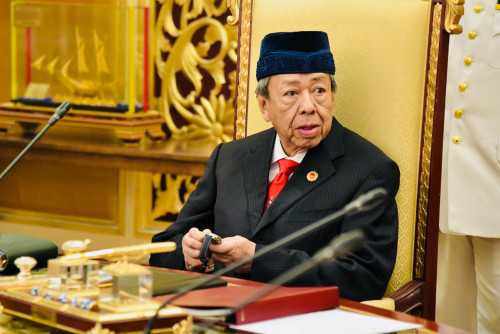
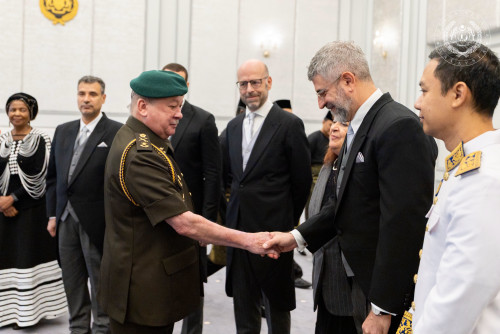
The statement came after the king granted an audience to Dewan Negara Speaker Tan Sri Rais Yatim and Dewan Rakyat Speaker Datuk Azhar Azizan Harun.
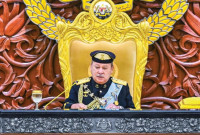
During the audience, Al-Sultan Abdullah Ri’ayatuddin Al-Mustafa Billah Shah stressed that Malaysia was a constitutional democracy, and the executive, judiciary and legislature must always abide by this principle.
The statement said the perception of some quarters that the implementation of the emergency had prevented Parliament from convening was inaccurate.
The palace said the king consented to an emergency declaration on January 12 on the prime minister’s advice, as a measure to curb the Covid-19 pandemic.
The Agong also discussed issues regarding the culture and conduct of Dewan Rakyat and Dewan Negara members when debating, so that their actions are always highly regarded. – The Vibes, February 25, 2021