

KUALA LUMPUR – The federal government will soon introduce a new grading system for raw water supply that is expected to pressure states to ensure premium quality from sources such as rivers and other catchment areas.
It is understood that under the new system headed by the Water and Environment Ministry, raw water in each state will be graded, with the rates imposed by the respective state governments on operators based on water quality.
States will be able to charge higher royalty fees on water companies if their raw water is of good grade, while the rates for states with poorer water quality will be lower.
No timeline has been set yet for its implementation, although The Vibes understands the process is in the planning stage.
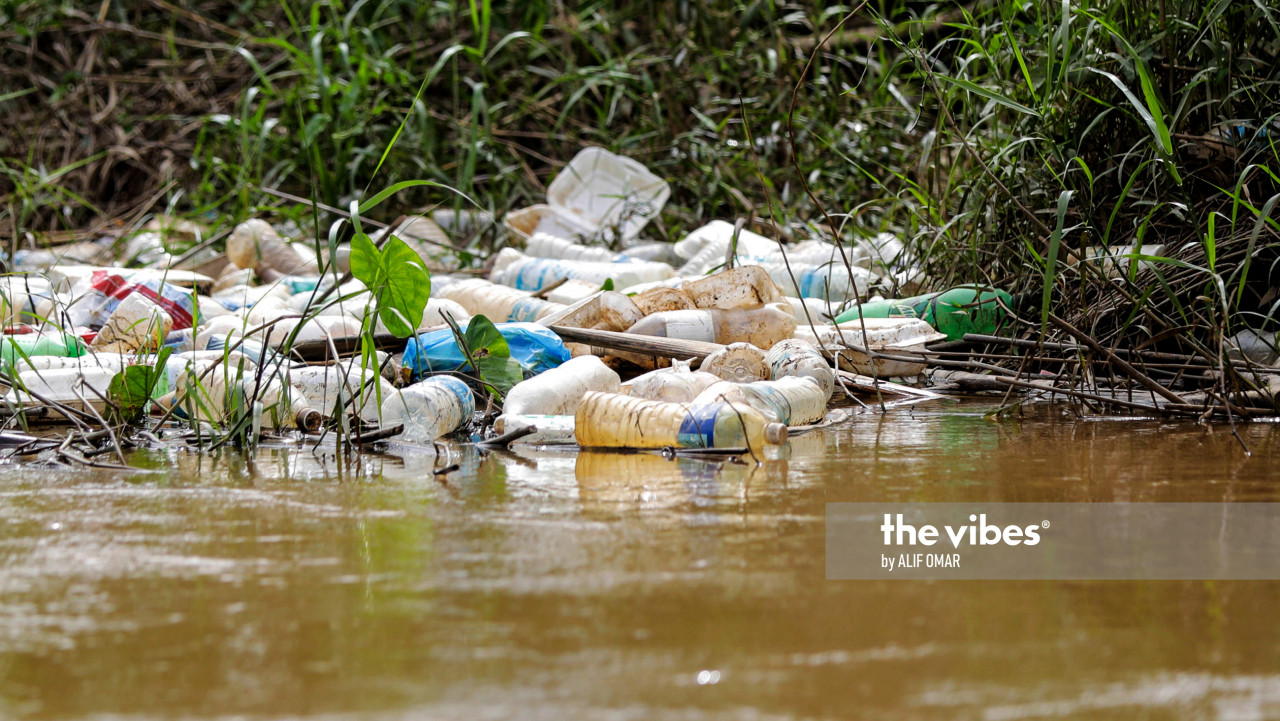
This new policy, when implemented, will serve as a whiplash to state governments that are permitting their water sources to be degraded by deforestation and lax enforcement of industrial operations.
In the Klang Valley alone, more than a dozen water supply disruptions have been reported in the past few years, chiefly caused by pollutants from the dumping of chemicals by factories surrounding water sources.
In a forum on the right to clean water on Monday, National Water Service Commission (SPAN) regional operation division senior director Mohd Jalaludin Sulaiman said the plan to grade raw water is part of the ministry’s roadmap to ensure the best water quality for consumers.
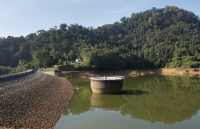
A source from the commission later confirmed that plans are under way, with the move aimed at preserving the country’s raw water sources, such as rivers and dams.
“State governments may have to spend some funds for preservation and enforcement, but when the grading system is in place, states with good water quality will be better incentivised.
“The royalty paid by the operators to the states will depend on the quality,” he said.
On how this will benefit water treatment operators, which may have to pay a higher premium, the source said good raw water quality will reduce treatment costs as fewer chemicals will be needed.
On whether the cost of this will flow down to consumers via higher tariffs, he said: “Many factors will be taken into account before the tariff is determined, including capital expenditure, operation cost and infrastructure development.”
A win-win system
Association of Water and Energy Research Malaysia president S. Piarapakaran, who has been proposing a raw water quality-based tariff for years, said apart from benefiting states and operators, consumers will gain in the long run if the move is implemented.
He said as the policy encourages states to maintain water quality, this will reduce the likelihood of pollution incidents, which will cost more to treat and inadvertently lead to a spike in tariffs.

“It’s a win-win for all parties. For states, this promises consistent, long-term income, especially if they can maintain the quality of the raw water. It is going to be very lucrative.
“For the operators, they can now be promised reliable supply with minimum disruption. And, if the quality is poor, then they will pay less to the states,” he told The Vibes.
Piarapakaran said the grade-based tariff for raw water will likely see instances of deforestation and loggings for short-term gain fall, a plus point for the environment.
Meanwhile, he proposed that each state be graded differently, acknowledging that specific states and rivers may have their own issues, including the presence of manganese in certain water sources.
Piarapakaran also said by imposing a higher royalty on operators, state governments will be able to utilise those funds to further improve its system.
“It will only take a total idiot and a Donald Trump-like politician to misuse the income for other purposes. Otherwise, we can expect our water supply system to improve soon.” – The Vibes, April 7, 2021














.jpeg)