KUCHING – The federal government and Covid-19 Vaccine Supply Access Guarantee Special Committee (JKJAV) must look at ways to simplify the recruitment process and remove any unnecessary red tape to receive private sector help.
This includes general practitioner (GP) clinics to aid in speeding up the country’s vaccination efforts, especially to achieve herd immunity by year-end.
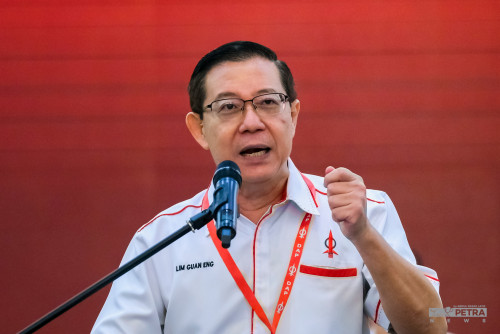
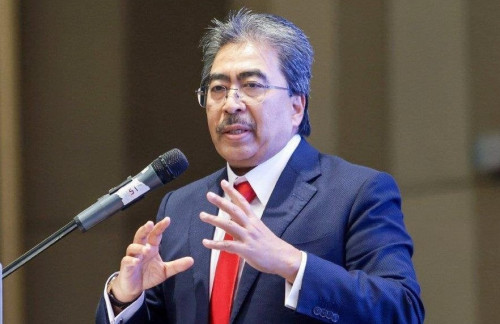
“Currently, based on a statement by coordinating minister Khairy Jamaluddin, there are 2,467 GPs who have signed up with ProtectHealth Corporation, the appointed implementor by the Health Ministry to handle the participation of private medical practitioners in the National Covid-19 Immunisation Programme (PICK),” said Bandar Kuching MP Dr Kelvin Yii in a statement.
He said, while this is encouraging, more must be done to recruit them and further utilise community GPs in providing comprehensive immunisation coverage for their local populations.
“While the current government’s strategy seems to be more focused on large-scale mass vaccination centres (PPVs), I believe they should focus on decentralising the PPVs by opening more small- and medium-scale PPVs in different zones in each constituency.
“This will ease up the congestion in the large-scale PPVs as well as be more convenient for the public, especially the elderly, so that they do not have to stand and queue up for a long time in a crowd.
“By reducing congestion in these large-scale PPVs, we will also then reduce the risk of spreading the virus in the PPV itself, turning it into a possible unwanted cluster,” said Yii, a medical doctor and chair of the parliamentary select committee for health, science and innovation.
He said such smaller PPVs are also closer to the constituents, so the people do not need to travel far for their appointments. Such decentralisation is even more pertinent now that the government is looking at significantly increasing the daily vaccination rate, he added.
“To make this possible, more GPs must be roped into helping with the vaccination with a more simplified recruitment system, improved appointment system through MySejahtera as well as reduced red tape so that even small, community GPs can play their part in expanding our vaccine coverage.”
He said current requirements set by ProtechHealth can be simplified, including reducing the required three-hour online training, and instead of expecting GPs to collect the vaccines themselves at designated centres, the government can use existing vaccine delivery networks to deliver them directly to the GPs, cutting off the need for GPs to source and purchase the necessary coolbox and electronic temperature data logger that is needed for transportation.
He said most GPs and the private sector are experienced and have been handling and administering vaccines for years, and there are existing networks and SOPs already in place for such processes.
“While it is of utmost importance to make sure the integrity of the vaccine is maintained throughout, much of unnecessary red tape can be reduced so even those smaller GPs in semi-rural and rural areas will not hesitate to be part of the programme.”
He said many members of the public may also feel more comfortable visiting their own GPs or family doctor to receive the vaccine, helping to address those with vaccine hesitancy.
Yii said the number of GPs nationwide who have signed up go up and vaccine supply is consistent, then simpler appointment systems or even a walk-in system, similar to that adopted in Singapore, can be implemented.
“For that to happen, the government must take proactive steps to engage with all doctor groups to better understand their concerns, adopt their feedback and quickly mobilise them for smoother implementation.
“While I am sure they are more than willing to play their part in this fight against Covid-19, they must be properly engaged and mobilised earlier rather than waiting until cases get more serious in the country,” he added. – The Vibes, June 2, 2021