
KUALA LUMPUR – When we talk about “politicians”, what do we perceive? Do the rakyat hold our politicians accountable for what they say and do, or have we cultivated a culture of blind following, political acceptance, and politician idolatry?
2020 was a dramatic and dynamic year for our rakyat as history was made when Malaysia experienced a change of government without going through a general election.
It was early February when a series of stealthy dealings behind the scenes happened, culminating in the downfall of the Pakatan Harapan (PH) government just twenty-two months after an equally historical election, commemorating the first Malaysian opposition pact takeover in over six decades.
In the blink of an eye, Prime Minister Tun Dr Mahathir Mohamad, who had made a political come-back to become Malaysia’s seventh prime minister for the second time, submitted his resignation, bringing the PH coalition’s rule to a sudden halt.
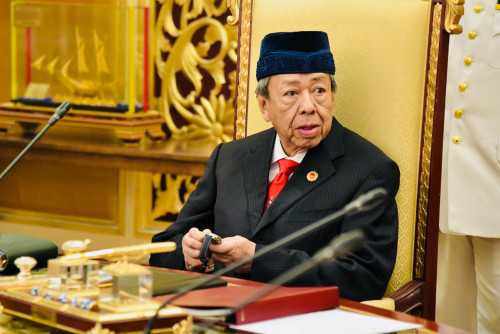
Next, dubbed the Sheraton Move orchestrated by several leading politicians from opposing parties’ divide brought about a crack in political alliances. Leading to the Yang Di-Pertuan Agong Al-Sultan Abdullah Ri’ayatuddin Al Mustafa Billah Shah appointing Tan Sri Muhyiddin Yassin – once deputy prime minister in the Najib Razak administration, and later sacked – as the eighth prime minister of Malaysia.
One of the principal questions that arises from the political event is what really is the role of the people? Are there real mechanisms to hold our politicians accountable?
If the fall of the PH administration signalled anything at all, it is that politicians appear unable to live up to the aspirations of the rakyat, and that the hopes, desires, and trust of the rakyat expressed at the ballot box do not appear as serious considerations for our political players.
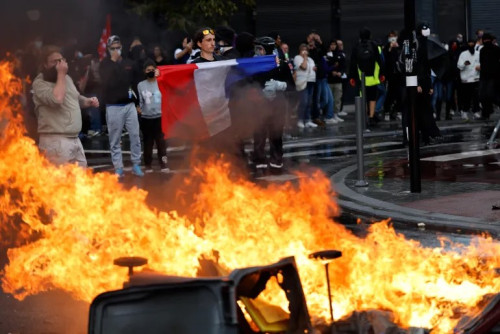
The events of May 13, 1969 continue to stand as a reminder. A day of ethnic violence and civilian deaths, marked black for Malaysia when a period of political uncertainty was exploited by governing parties, resulting in the suspension of Parliament, and resuming only two years later in 1971.
Mageran (Majlis Gerakan Negara) was then established, and a report released on October 9, 1969 clearly cited “racial politics” as the primary cause of the riots.
So, how much did politicians play in igniting sentiment in events leading to May 13th? How sure are we that politicians can be reined in and prevent its recurrence? What assurances do the rakyat have that politicians are restrained from playing the racial card and turning them against each other?
In this special project Are Politicians the Catalyst for Extreme Violence in Malaysia?, The Vibes – in collaboration with Fat Bidin Media on a campaign to counter and prevent violent extremism – spoke to 26 individuals ranging from lawyers, personalities, politicians, activists and prominent thinkers to get their views on this matter.
Among them are Datuk Ambiga Sreevanesan, blogger Wan Muhammad Azri Wan Deris @ Papa Gomo, Chua Tian Chang, outspoken professor of constitutional law Abdul Aziz Bari and opposition activist Pak Amjal. – The Vibes, June 3, 2021
Catch Part 1 in a six-part series beginning June 4, every Friday at 4pm here and at The Vibes as we report #FromEverySide. More about the campaign can be found at https://fatbidin.com/







.jpeg)